
Trump's Team Shakeup: Purge or Accountability Amid War Backdrop
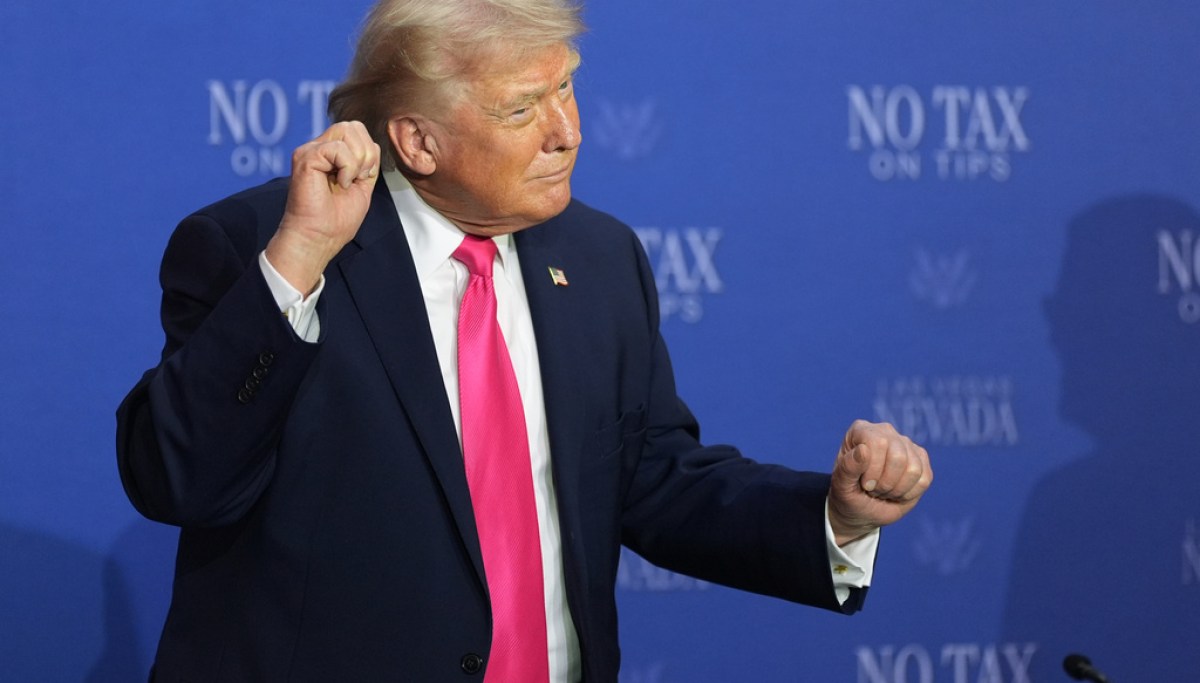
Cover image from washingtonexaminer.com, which was analyzed for this article
Widespread personnel changes dubbed a 'purge' by critics target Congress oversight and Pentagon, with Navy chief out. Defenders call it accountability after Biden holdovers. Spring cleaning tests Trump's coalition limits.
PoliticalOS
Thursday, April 23, 2026 — Politics
Multiple high-ranking officials across the Pentagon, Cabinet, and Congress have departed or been removed in a compressed window, occurring against the backdrop of U.S. military action in Iran that raised energy costs and hurt presidential approval. Specific reasons for several military exits rely on anonymous or unverified accounts that other outlets could not corroborate, while the administration has publicly cited merit and performance. The most important reality is that these changes test continuity and readiness at a sensitive moment; readers should distinguish between confirmed announcements and unattributed claims about motives.
What outlets missed
Most coverage omitted the February 2026 sequence of Iranian proxy attacks that preceded U.S.-Israeli strikes, the subsequent Iranian missile response on U.S. bases, and the fact that the Iranian Supreme Leader was killed during the exchanges. Pentagon statements citing performance reviews and meritocracy as drivers for the military changes received little attention outside conservative outlets and were not balanced against anonymous sourcing in mainstream reporting. The immediate court injunction blocking certification of Virginia's redistricting results on April 22 was rarely noted, softening the perceived finality of that Democratic gain. Specific ethics triggers for the three congressional resignations, including documented indictments and admissions, were downplayed by outlets preferring a generic "purge era" narrative. Low voter turnout of 47.94 percent in the Virginia referendum also went largely unmentioned, providing important context for the narrow margin.
Trump Redistricting Defeat Exposes GOP Rift as Administration Purges Accelerate
Virginia voters delivered a sharp rebuke to Republican congressional mapmaking strategies this week, narrowly approving a ballot initiative that threatens the party's already tenuous grip on the House of Representatives and intensifying an internal debate over whether the Trump-era GOP has abandoned its longstanding principles in pursuit of raw political power.
The measure passed despite exit polls showing the "no" vote surpassing President Donald Trump's 2024 margin in the commonwealth, according to data compiled by state election officials. Opponents of the redistricting changes mounted a late surge that caught party strategists off guard, triggering immediate finger-pointing over whether national Republican organizations should have diverted more funds from midterm priorities, whether the White House should have intervened directly, and whether former Governor Glenn Youngkin failed to leverage his influence sufficiently. Those recriminations, while typical after any close contest, mask a more fundamental fracture within conservatism that has widened since Trump's return to power.
At its core, the Virginia fight reflects competing visions of how Republicans should govern in an age of intense polarization. One faction, aligned with Trump's instincts, has urged GOP-controlled state legislatures to mirror Democratic tactics by aggressively gerrymandering districts to maximize partisan advantage. This approach yielded maps in several states that bolstered Republican seats, yet the Virginia outcome suggests the strategy carries risks when voters perceive it as self-serving manipulation. Democrats successfully enacted a 10-1 congressional map in Indiana, a state where Kamala Harris captured under 52 percent of the vote in 2024, demonstrating a willingness to press every structural advantage without apparent hesitation from their base.
Traditional conservatives have historically emphasized limited government, institutional restraint, and neutral rules applied equally. Yet Trump's influence has empowered a New Right cohort that views such commitments as luxuries the party can no longer afford if it intends to survive in a system they believe Democrats have already weaponized. The Virginia loss, which could force the redraw of multiple competitive districts, now leaves House Republicans even more exposed heading into midterms that many strategists already feared would be difficult.
This congressional vulnerability arrives alongside what observers across the ideological spectrum are describing as a purge era within the broader Republican apparatus. Since March, the Trump administration has seen an extraordinary turnover at the highest levels, with at least five Cabinet secretaries and senior military figures either forced out or pressured to resign. Navy Secretary John Phelan, a billionaire Trump fundraiser, was removed this week after clashing repeatedly with Defense Secretary Pete Hegseth over shipbuilding delays and management issues, according to multiple officials familiar with the discussions. Army Chief of Staff Gen. Randy George retired under pressure following controversy over his decision to override the Army's Battalion Command Assessment Program, which had twice deemed an officer unfit for battalion command.
Attorney General Pam Bondi, Labor Secretary Lori Chavez-DeRemer, and Homeland Security Secretary Kristi Noem have also departed in the same two-month span. Administration defenders, including voices in conservative media, insist these moves represent overdue accountability rather than a purge, arguing that civilian control of the military demands leaders who prioritize lethality and merit over ideological drift. They note that President Barack Obama removed dozens of generals and admirals with minimal backlash at the time. Yet the scale and speed of the current changes, occurring against the backdrop of a deeply unpopular joint U.S.-Israeli military campaign against Iran, have fueled concerns about politicization and instability.
That war has driven energy prices higher and contributed to a noticeable decline in Trump's approval ratings, creating a feedback loop of dissatisfaction that appears to be accelerating personnel changes. Critics argue the pattern extends beyond the executive branch. In Congress, Representatives Eric Swalwell, Tony Gonzales, and Sheila Cherfilus-McCormick have been removed from their positions amid what Slate has termed a "purge era," further unsettling an institution already bracing for potential losses.
The infighting has spilled into public discourse over foundational democratic norms. CNN's Jake Tapper recently pressed Trump judicial nominees who declined to affirmatively state that Joe Biden won the 2020 election, accepting only that the results were certified. Former Republican National Committee chair Michael Steele argued such equivocation disqualifies them from service. Conservative commentators counter that prominent Democrats, including Hillary Clinton, Jimmy Carter, and Terry McAuliffe, have similarly questioned election outcomes in the past with little sustained outrage from the same outlets now scrutinizing Trump allies.
What unites these threads is a Republican Party that has embraced combative power politics yet finds itself hemorrhaging support at critical junctures. The Virginia redistricting result may prove a harbinger for broader midterm struggles, particularly if voters continue to punish what they view as partisan overreach. As the administration cycles through senior officials and congressional maps shift, the party confronts a paradox of its own making: having discarded traditional restraints in the name of winning, it now risks losing more ground than its old rules might have cost. The coming months will test whether this harder-edged approach can stabilize Republican power or whether the internal contradictions, amplified by military shakeups and foreign policy missteps, will accelerate the very losses Trump allies sought to prevent.
You just read Progressive's take. Want to read what actually happened?
More in Politics
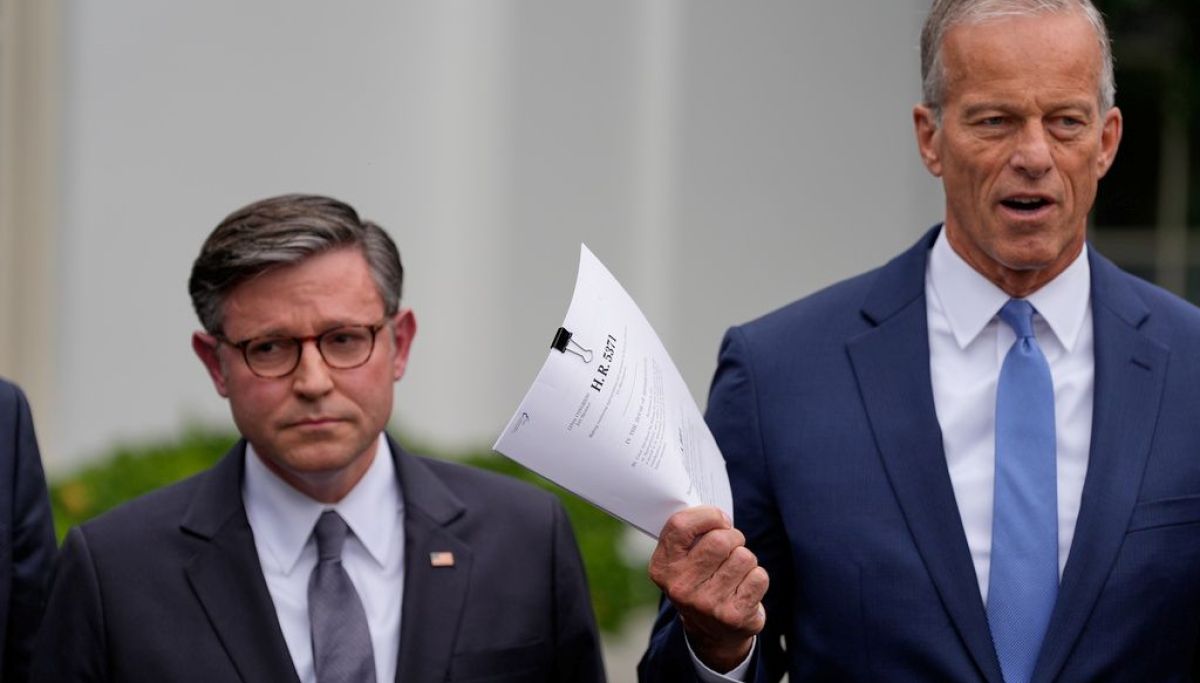
Trump at 32% Approval as Gas Prices Test GOP Midterm Hopes
NYT/Siena polling showed Trump's approval at historic lows around 32 percent with Democrats leading by double digits in key districts. Early voting has surged in battleground states.

Record Early Voting Hits Battlegrounds, Shifting Partisan Shares
AP analysis found hundreds of thousands more early ballots than in 2022 in states including Texas, Ohio, Kansas, Maine, and North Carolina, shifting partisan dynamics.
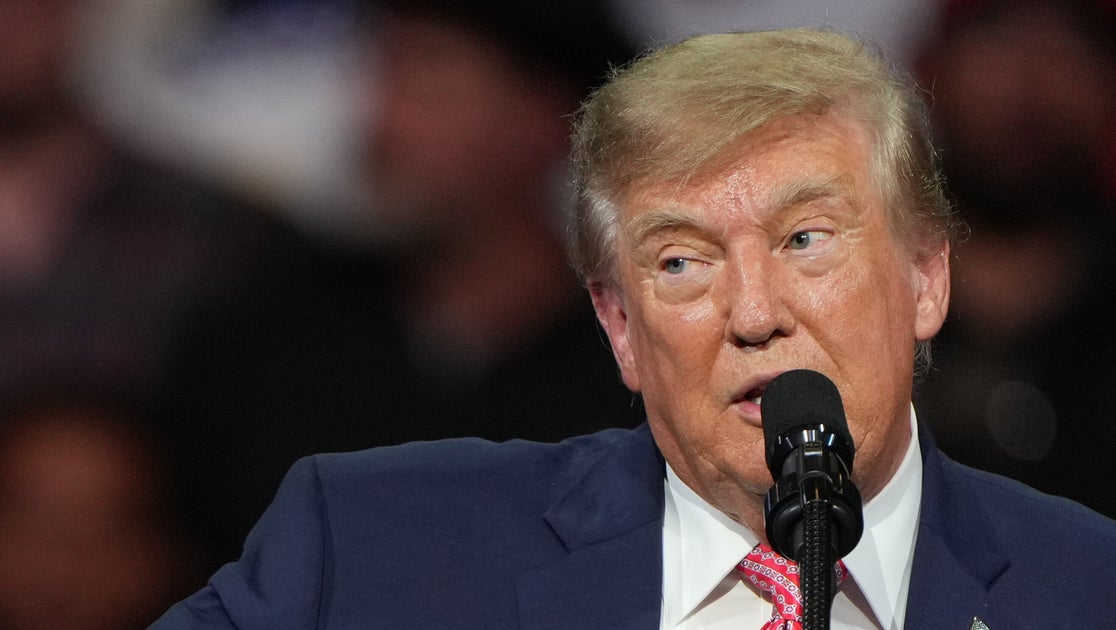
Trump Backs Marshall in Kansas Senate Race Tightened by Farm Costs
President Trump rallied in deep-red Kansas for GOP Sen. Roger Marshall in a competitive race, announcing an $8 billion farm fuel relief program amid high diesel prices. Democrats see an opening to end 94 years of GOP dominance in the state.

Trump Pauses Russia Sanctions Amid Ukraine Tensions and Missile Strikes
Trump waived sanctions on Russia and floated trilateral talks with Putin and Xi as part of ending the Ukraine war, while tensions rose with Zelenskyy over Starlink and arms. Bipartisan senators engaged Zelenskyy amid the shifts.
The Compass
You just read five takes on one story.
What's your take? Find your political shape in a few minutes.
Take the test