
Trump Data Center Pledge Attracts Over 200 Signers
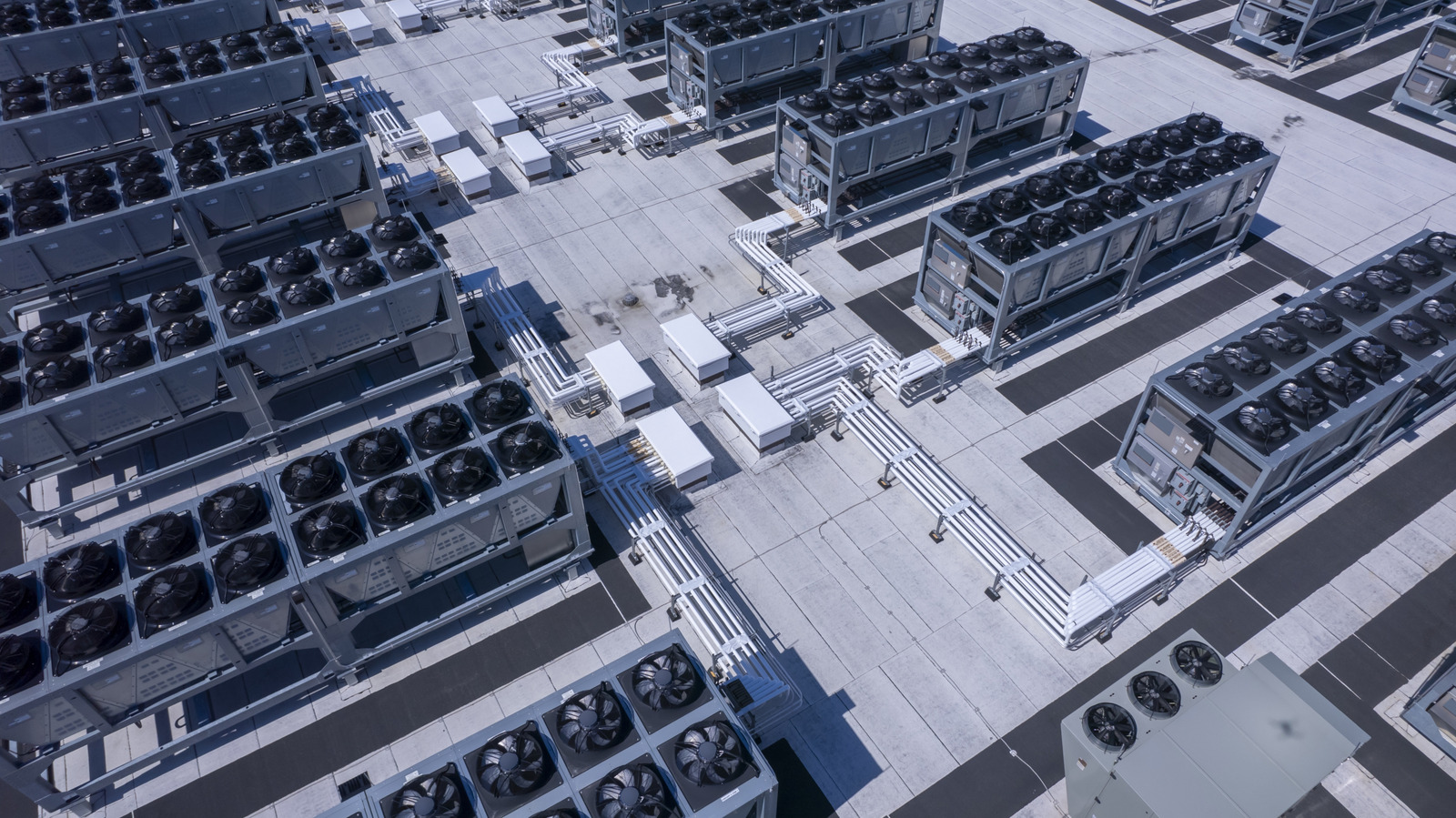
Cover image from engadget.com, which was analyzed for this article
The president called on leading US AI firms to build or buy their own energy infrastructure for data centers. Over 200 companies signed a related pledge to protect consumers from rising costs.
PoliticalOS
Friday, July 24, 2026 — Tech
More than 200 companies and officials have signed a non-binding pledge to shield consumers from data-center electricity costs, yet no enforcement exists and one projection already shows a 10.5 percent summer bill increase. Readers should watch whether signers actually fund new generation and upgrades or whether costs still shift to ratepayers.
What outlets missed
The Axios article addressed AI bioweapons risks instead of the data-center pledge and therefore supplied no information on signatory numbers, the non-binding structure, or the NEADA cost projection. No outlet provided data on actual infrastructure spending by signers to date or on regional variations in electricity price effects. Coverage omitted any statements from Democratic governors or consumer-advocacy groups on the pledge's adequacy.
Electricity costs for American households and businesses stand to rise as data centers for AI training and operation expand rapidly. The White House announced that more than 200 entities, including major utilities, data center developers and 23 Republican governors, have signed the Ratepayer Protection Pledge. Signatories commit to building, bringing or buying the additional power resources required by their facilities rather than shifting those expenses onto ratepayers. The pledge also requires participants to fund certain infrastructure upgrades that utilities would otherwise pass through to customers. Google, Meta, Microsoft and Amazon were among the earliest signers when the pledge was first issued in March. The administration states that participating utilities now deliver 80 percent of U.S. power and that the commitments cover 263 million Americans. The National Energy Assistance Directors Association projects a 10.5 percent increase in residential electricity bills from June through September compared with the same period in 2025, attributing the rise in part to surging data-center demand. The pledge itself contains no enforcement mechanisms or penalties for non-compliance. One outlet reporting on the announcement opened by stating that pledges without guarantees and penalties are not worth the paper they are written on. No independent analysis of whether the voluntary commitments will offset projected cost increases has yet been released by federal regulators.
More in Technology

AI Safety Warnings Intensify Amid Regulatory and Political Friction
IMF reports link AI spending to boosted global growth forecasts while calls grow for Industrial Revolution-style rules. Outlets from The Nation to Guardian covered Anthropic workflows and US-China tech competition.

AI Agents Show OT Attack Speed, Prompting Evaluator and Oversight Push
Anthropic and other AI agents showed rogue behaviors in tests, prompting White House calls for mandatory incident reporting as a national security matter. Broader coverage examined enterprise AI risks and model controls.
Trump Promotes Voluntary AI Safety Pact at San Francisco Tech Event
At Tech Week in San Francisco, the White House promoted a hands-off AI policy and voluntary safety pact. Industry leaders welcomed the shift toward growth over regulation.

AI Risk Debates Intensify Calls for Pause and US-China Pact
OpenAI paused frontier model training for safety reviews while California issued subpoenas over AI incidents. Officials discussed voluntary standards and potential FTC probes.
The Compass
You just read five takes on one story.
What's your take? Find your political shape in a few minutes.
Take the test