
Trump Approval Drops to Second-Term Low Amid Iran War
Cover image from slate.com, which was analyzed for this article
A New York Times/Siena poll showed Trump's approval sinking amid public fatigue with the Iran conflict and rising costs. Economic discontent is weighing on voter support.
PoliticalOS
Monday, May 18, 2026 — Politics
The poll records majority opposition to the Iran war and a 37 percent approval rating for Trump, yet Republican voters remain strongly supportive of continuing operations. Midterm prospects for the GOP have worsened while Democrats still register low overall satisfaction among voters.
What outlets missed
The poll showed 70 percent of Republicans still want military operations to resume if talks fail, a level of core support that received little attention outside the original survey release. No outlet detailed the specific nuclear-site targets struck since late February or any measurable progress reported by U.S. officials. The 27 percent of Republicans who oppose unilateral presidential war powers was noted only in passing and not compared with historical GOP positions on executive authority.
Parents Face Morning Meltdowns That Demand Discipline Not Excuses
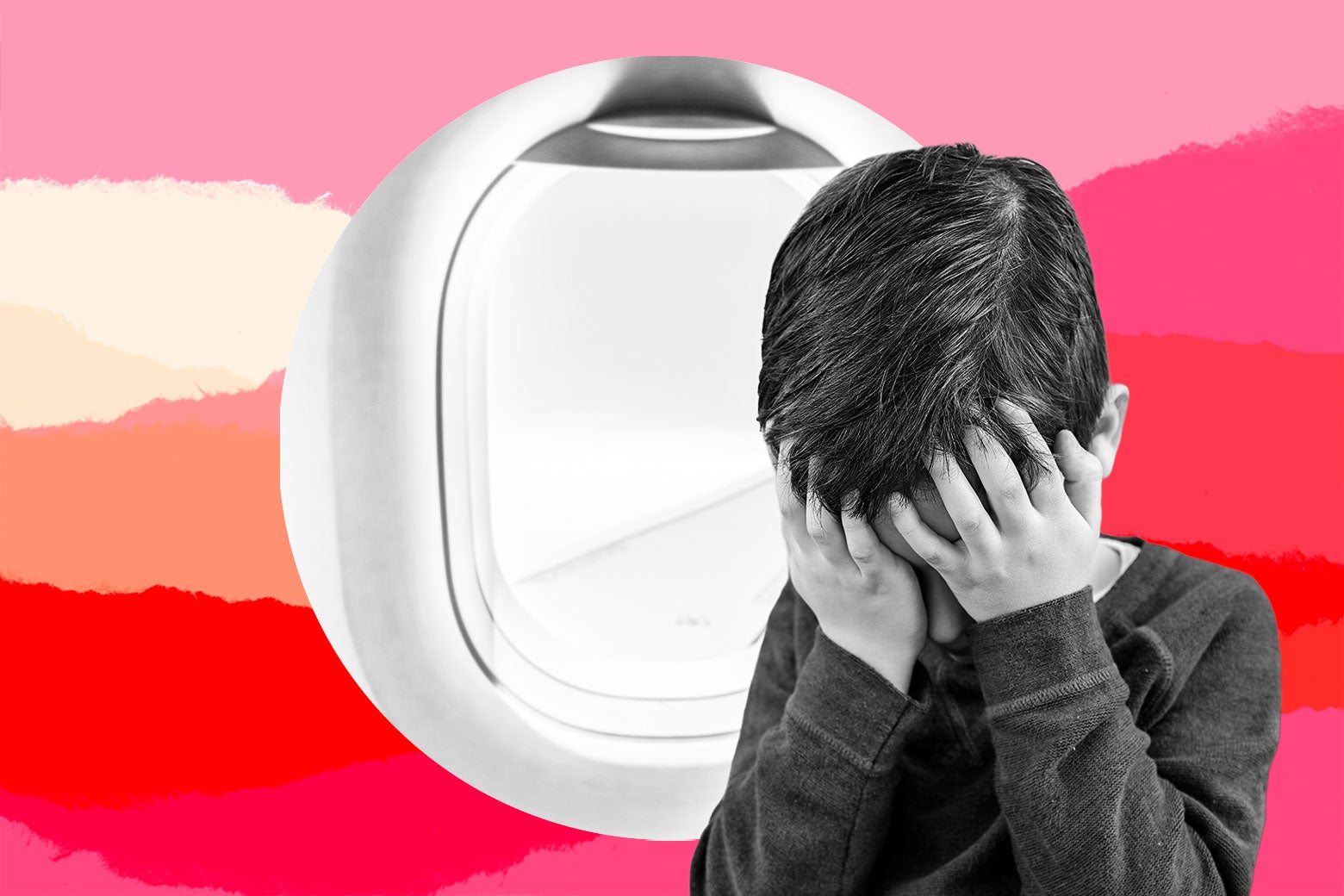
A mother writing to a parenting advice column described her six-year-old son as generally well behaved yet prone to sudden rage when he first wakes. Minor frustrations such as stiff pages in a coloring book trigger screaming, throwing objects, kicking and punching that lasts about ten minutes. The family has tried offering snacks right away because of suspected low blood sugar, with mixed success. The behavior has made air travel especially difficult, as the boy’s outbursts disturb other passengers and wake infants nearby.
The mother noted that her son sometimes pulls himself together when an older cousin enters the room, which suggests the outbursts are not entirely beyond his control. She expressed embarrassment and wondered whether other children his age behave this way or if some form of undiagnosed condition explains the intensity.
Observations from parents and educators over decades show that young children often test limits in the transition from sleep to full alertness. Those who receive consistent expectations rather than immediate accommodations tend to develop better self-regulation. Offering food at the first sign of distress can reinforce the idea that discomfort must be eliminated instantly instead of managed.
Thomas Sowell has long argued that cultural patterns and personal habits shape outcomes more reliably than external conditions or medical labels. In this case the pattern appears tied to the moment of waking, when the child has not yet reestablished voluntary control. Families that establish firm routines before travel, including gradual awakening with clear rules about acceptable conduct, report fewer episodes. The child who calms down for a cousin demonstrates an existing capacity to choose different behavior when social pressure appears. Extending that expectation consistently at home and in public does not require shame but does require steady insistence that rage is not an acceptable response to inconvenience.
Airlines and fellow passengers have little obligation to absorb repeated disturbances. Parents who anticipate the problem by shortening flights when possible, traveling at times when the child is least likely to nap, or simply postponing trips until self-control improves accept responsibility for their own circumstances. Excuses centered on blood sugar or vague neurodivergence shift focus away from the teachable moment. Most six-year-olds experience grogginess or irritability without resorting to violence. Those who do not learn early that such conduct carries consequences often carry the pattern into later years, when the social and practical costs rise sharply.
Routine practice in calmer settings helps. Parents can rehearse waking procedures at home, rewarding calm transitions and applying immediate, proportionate responses to outbursts. Over time the child internalizes that the world does not pause for his discomfort. This approach aligns with evidence that voluntary behavior responds to incentives and boundaries more effectively than repeated searches for hidden disorders. The mother’s hesitation to mention embarrassment is understandable in an era that treats every strong emotion as potentially diagnostic, yet measured feedback about how actions affect others forms part of normal moral development.
Other families facing similar transitions have found that structured wake-up sequences, such as quiet reading before any demands are met, reduce volatility. The goal remains the same: move the child from dependence on external soothing toward internal management of frustration. When that shift occurs, airplane rides and morning routines cease to be public ordeals and become ordinary parts of family life.
You just read Conservative's take. Want to read what actually happened?
More in Politics

Trump Defends Ramaswamy Ad Using Estranged Mother in Ohio Race
President Trump defended a GOP nominee's ad featuring a Democratic opponent's estranged mother, calling it powerful, while drawing criticism from some Republicans including Ohio Gov. Mike DeWine. The ad has sparked internal GOP tensions ahead of midterms.

Federal Raid Targets Omar Amid Unresolved Name and Marriage Allegations
Agents searched Rep. Ilhan Omar's DC residence over immigration fraud allegations; she called it bizarre. Reports and commentary questioned her birth name and past marriage details.

Supreme Court Upholds New Hampshire Student ID Voting Ban
The Supreme Court upheld New Hampshire's ban on student IDs as valid voter identification just before midterms, affecting a tight Senate race.
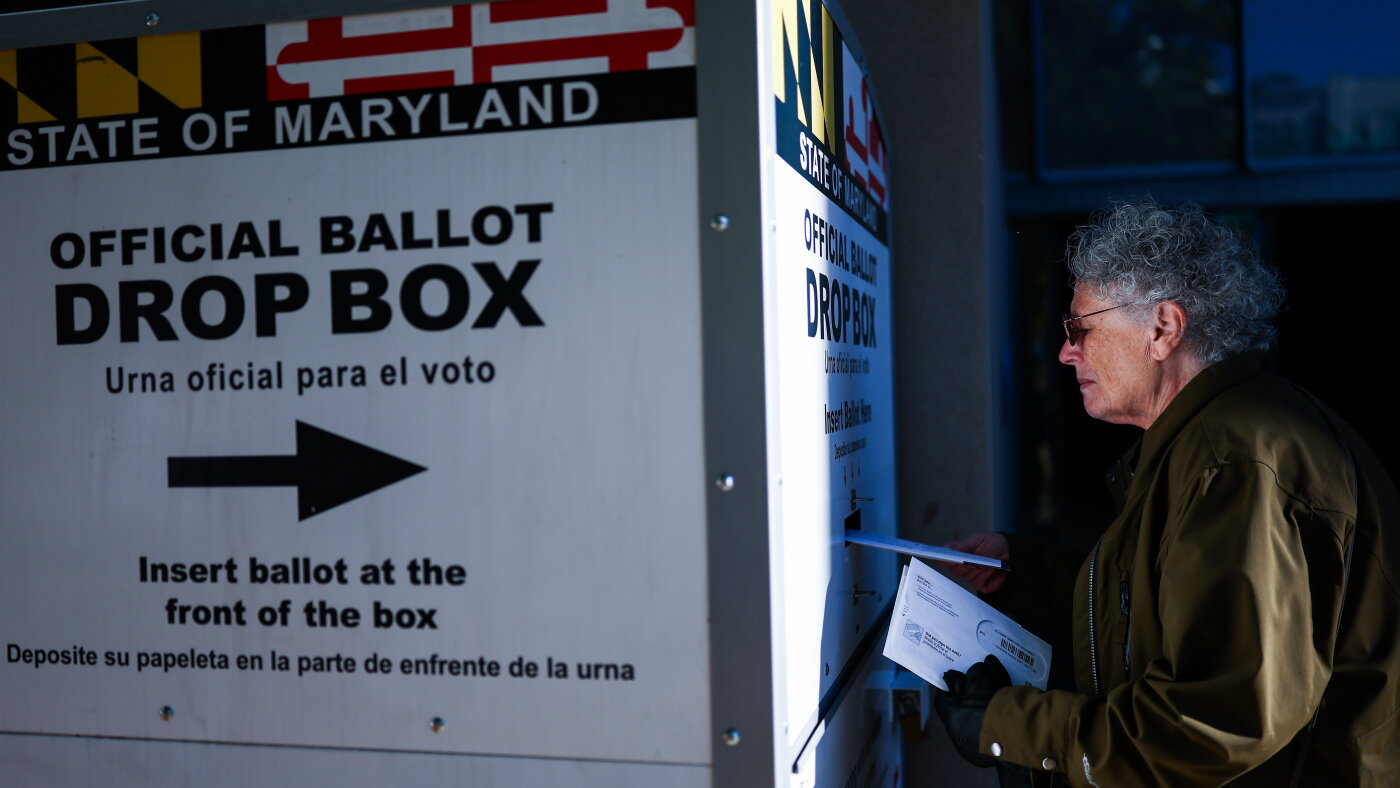
Early Voting Hits 21 Million as Most Trust Midterm Accuracy
Millions have already voted early as parties make final appeals amid $1.4 billion in ad spending; polls show confidence in election accuracy.
The Compass
You just read five takes on one story.
What's your take? Find your political shape in a few minutes.
Take the test