
Trump Approval Drops to Second-Term Low Amid Iran War

Cover image from slate.com, which was analyzed for this article
A New York Times/Siena poll showed Trump's approval sinking amid public fatigue with the Iran conflict and rising costs. Economic discontent is weighing on voter support.
PoliticalOS
Monday, May 18, 2026 — Politics
The poll records majority opposition to the Iran war and a 37 percent approval rating for Trump, yet Republican voters remain strongly supportive of continuing operations. Midterm prospects for the GOP have worsened while Democrats still register low overall satisfaction among voters.
What outlets missed
The poll showed 70 percent of Republicans still want military operations to resume if talks fail, a level of core support that received little attention outside the original survey release. No outlet detailed the specific nuclear-site targets struck since late February or any measurable progress reported by U.S. officials. The 27 percent of Republicans who oppose unilateral presidential war powers was noted only in passing and not compared with historical GOP positions on executive authority.
Trump Faces Growing Backlash Over Iran War and Sinking Economy
New polling shows President Trump’s approval rating has dropped to a second-term low of 37 percent as voters voice strong opposition to the ongoing conflict with Iran. The New York Times/Siena survey conducted May 11-15 found that nearly two-thirds of Americans believe the decision to go to war was the wrong one, with independents particularly opposed at nearly three-quarters. Only about a quarter of respondents thought the fight was worth the costs involved.
The results come as the midterms approach and raise questions about Republican prospects in key races. Voters expressed deep pessimism about the economy alongside their doubts on foreign policy. Sixty-four percent disapproved of the president’s handling of economic matters, a notable shift from earlier strengths in that area. Majorities also gave negative marks on managing the cost of living and immigration issues.
Republicans continue to back the president and the war effort in large numbers. Yet the broader public shows clear skepticism, especially among independents whose views often decide close elections. The poll highlights how the conflict has become a drag on support at a time when many households already feel squeezed by higher prices and uncertain job prospects.
Critics argue that the administration has not made a convincing case for why American forces should remain entangled in another Middle East dispute. Past interventions have often delivered high costs with limited gains for ordinary citizens, and this latest round appears to be following the same pattern. Public fatigue with endless commitments abroad is evident in the numbers, where most see the war as an unnecessary burden rather than a vital national interest.
Economic worries compound the political challenge. Respondents voiced concerns that resources spent overseas could better address domestic priorities like inflation and border security. The disconnect between elite enthusiasm for the conflict and average voter reservations mirrors longstanding divides over foreign policy priorities.
With the midterms looming, these trends suggest a difficult path for the president’s party. Historical patterns show that low approval ratings often translate into losses for the sitting administration’s allies in Congress. The combination of an unpopular war and economic discontent could energize opposition turnout while dampening enthusiasm among core supporters.
Voters remain divided along partisan lines, but the independent swing group appears decisive. Their strong rejection of the war decision points to potential trouble in competitive districts and states. Republican strategists will need to address these concerns directly if they hope to limit damage in November.
The poll underscores how quickly public patience can wear thin when leaders pursue policies that seem disconnected from everyday realities. Whether the administration adjusts course or doubles down remains to be seen, but the current data leaves little room for optimism among those tracking electoral math.
You just read America First's take. Want to read what actually happened?
More in Politics

Trump Defends Ramaswamy Ad Using Estranged Mother in Ohio Race
President Trump defended a GOP nominee's ad featuring a Democratic opponent's estranged mother, calling it powerful, while drawing criticism from some Republicans including Ohio Gov. Mike DeWine. The ad has sparked internal GOP tensions ahead of midterms.
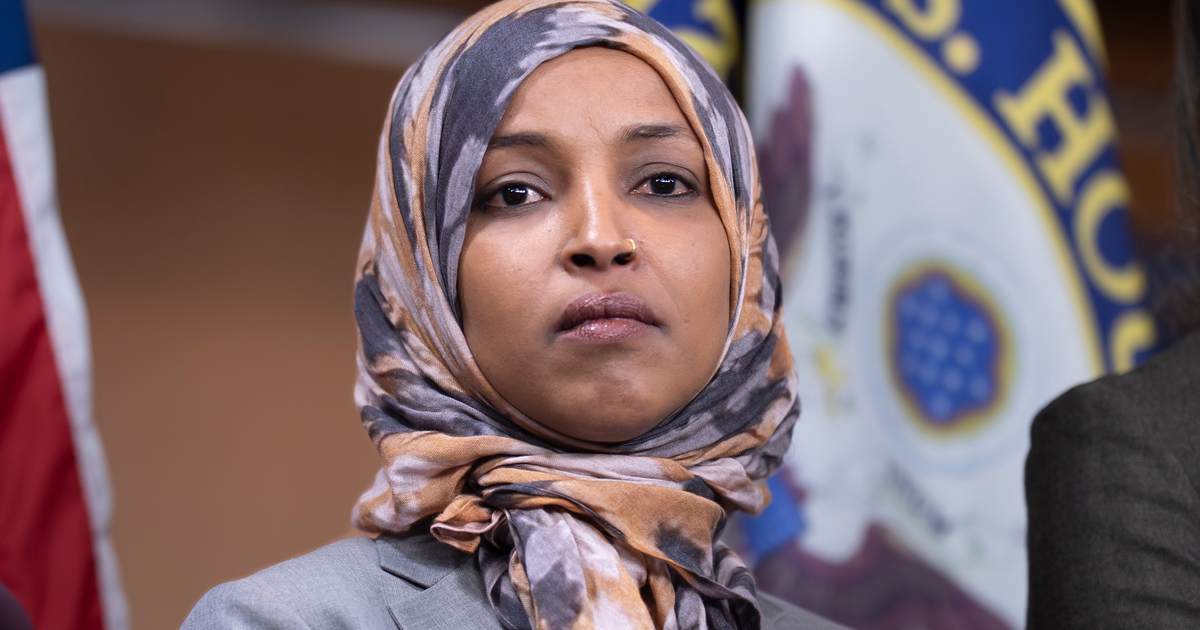
Federal Raid Targets Omar Amid Unresolved Name and Marriage Allegations
Agents searched Rep. Ilhan Omar's DC residence over immigration fraud allegations; she called it bizarre. Reports and commentary questioned her birth name and past marriage details.

Supreme Court Upholds New Hampshire Student ID Voting Ban
The Supreme Court upheld New Hampshire's ban on student IDs as valid voter identification just before midterms, affecting a tight Senate race.
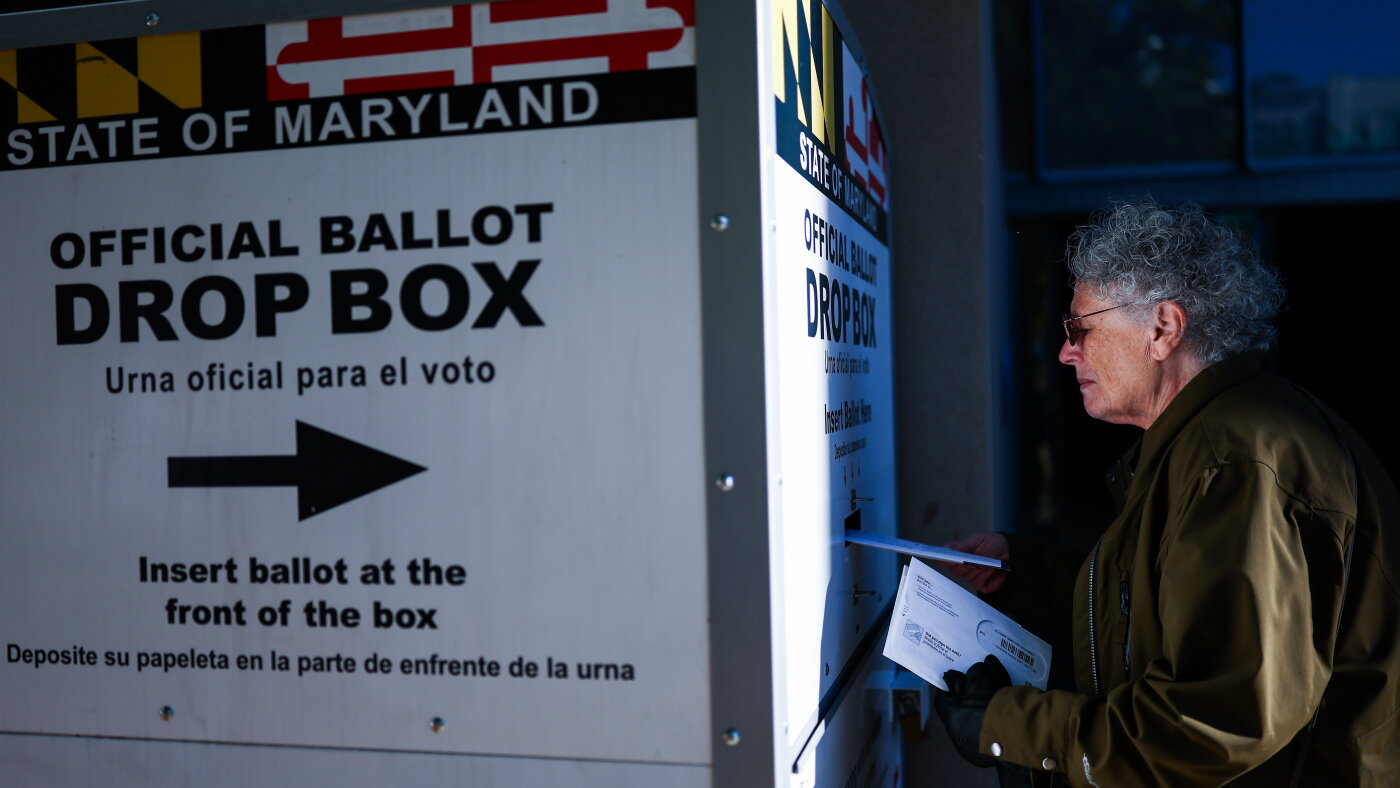
Early Voting Hits 21 Million as Most Trust Midterm Accuracy
Millions have already voted early as parties make final appeals amid $1.4 billion in ad spending; polls show confidence in election accuracy.
The Compass
You just read five takes on one story.
What's your take? Find your political shape in a few minutes.
Take the test