
Trump Approval Drops to Second-Term Low Amid Iran War

Cover image from slate.com, which was analyzed for this article
A New York Times/Siena poll showed Trump's approval sinking amid public fatigue with the Iran conflict and rising costs. Economic discontent is weighing on voter support.
PoliticalOS
Monday, May 18, 2026 — Politics
The poll records majority opposition to the Iran war and a 37 percent approval rating for Trump, yet Republican voters remain strongly supportive of continuing operations. Midterm prospects for the GOP have worsened while Democrats still register low overall satisfaction among voters.
What outlets missed
The poll showed 70 percent of Republicans still want military operations to resume if talks fail, a level of core support that received little attention outside the original survey release. No outlet detailed the specific nuclear-site targets struck since late February or any measurable progress reported by U.S. officials. The 27 percent of Republicans who oppose unilateral presidential war powers was noted only in passing and not compared with historical GOP positions on executive authority.
Trump Faces Steep Decline in Approval as Public Rejects Iran War
The latest New York Times/Siena poll shows President Trump’s approval rating has fallen to a second-term low of 37 percent, driven largely by widespread opposition to his decision to launch military action against Iran. Conducted May 11-15, the survey of registered voters found that nearly two-thirds believe the president made the wrong call in entering the conflict, with almost three-quarters of independents sharing that view. Only about one in four voters said the war was worth the costs.
The findings come as the midterm elections approach and place Republicans in a challenging position. Historical patterns show that a president’s approval rating often serves as a reliable indicator of how his party will perform in congressional contests. With Trump’s numbers at this level, GOP strategists face pressure to distance themselves from the unpopular foreign policy move while trying to shore up support on domestic issues.
Voters expressed particular pessimism about the economy under the current administration. Sixty-four percent disapproved of Trump’s handling of economic matters, a notable shift from earlier periods when that area had been viewed as one of his stronger suits. Majorities also voiced negative opinions on his management of the cost of living and immigration, signaling broader dissatisfaction that extends beyond the Iran conflict itself.
Republicans remain largely supportive of both the president’s job performance and the decision to go to war. Yet the poll underscores how isolated that backing has become. Among non-Republican voters, skepticism runs deep, with independents showing especially sharp disapproval. This split leaves the party’s coalition vulnerable heading into November, as campaigns will need to navigate a electorate that appears increasingly wary of continued involvement in the Middle East.
The survey results reflect concerns that the administration’s foreign policy choices are carrying significant political costs. Voters who viewed the war as the wrong decision cited both the human and financial toll, with many expressing doubt that the objectives justified the resources committed. These attitudes have contributed to a darkening outlook for GOP prospects in competitive districts across the country.
Economic anxiety compounds the political difficulty. Even as the president maintains a base that approves of his overall direction, the broader public has grown more negative about pocketbook issues that often decide elections. The combination of an unpopular war and eroding confidence in economic leadership creates a difficult environment for Republican candidates seeking to defend or expand their majorities.
Analysts note that similar dips in presidential approval during midterm cycles have historically led to losses for the party in power. With public sentiment clearly against the Iran engagement and economic worries rising, the coming months will test whether Republicans can limit the damage or whether the president’s low standing will translate into measurable setbacks at the ballot box.
You just read Progressive's take. Want to read what actually happened?
More in Politics
Trump at 32% Approval as Gas Prices Test GOP Midterm Hopes
NYT/Siena polling showed Trump's approval at historic lows around 32 percent with Democrats leading by double digits in key districts. Early voting has surged in battleground states.

Record Early Voting Hits Battlegrounds, Shifting Partisan Shares
AP analysis found hundreds of thousands more early ballots than in 2022 in states including Texas, Ohio, Kansas, Maine, and North Carolina, shifting partisan dynamics.
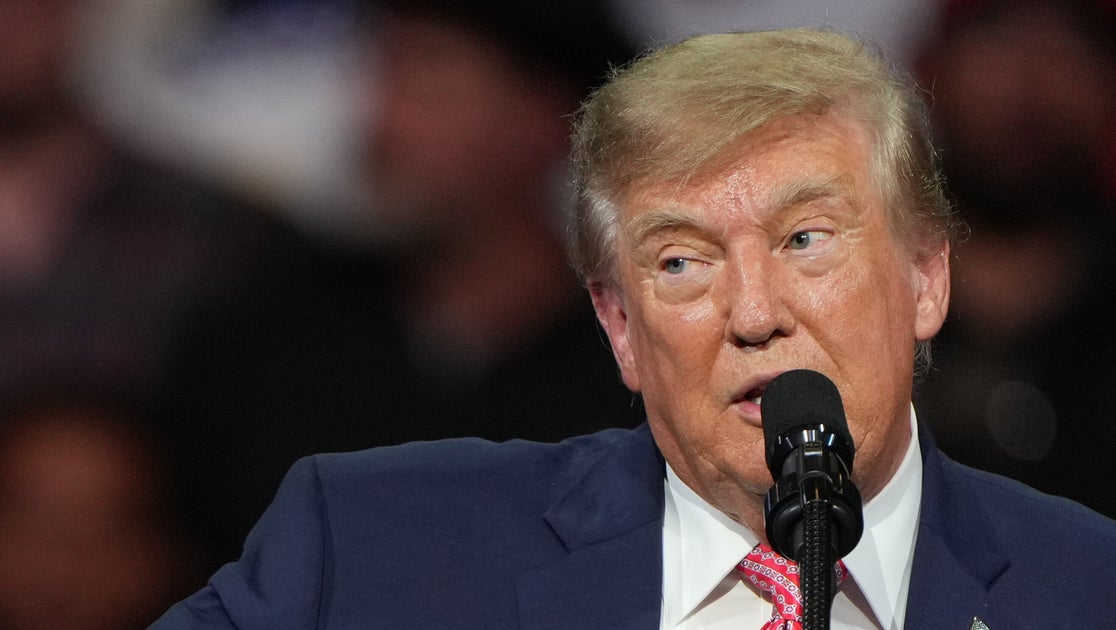
Trump Backs Marshall in Kansas Senate Race Tightened by Farm Costs
President Trump rallied in deep-red Kansas for GOP Sen. Roger Marshall in a competitive race, announcing an $8 billion farm fuel relief program amid high diesel prices. Democrats see an opening to end 94 years of GOP dominance in the state.

Trump Pauses Russia Sanctions Amid Ukraine Tensions and Missile Strikes
Trump waived sanctions on Russia and floated trilateral talks with Putin and Xi as part of ending the Ukraine war, while tensions rose with Zelenskyy over Starlink and arms. Bipartisan senators engaged Zelenskyy amid the shifts.
The Compass
You just read five takes on one story.
What's your take? Find your political shape in a few minutes.
Take the test