
Trump Support Slips Among White Working-Class Voters

Cover image from npr.org, which was analyzed for this article
Polls showed declining support for Trump among his traditional White working-class voters amid economic pressures and foreign policy developments.
PoliticalOS
Thursday, May 28, 2026 — Politics
White working-class approval for Trump has moved net negative in recent CBS polling amid higher gas and grocery costs linked to tariffs and the Iran conflict. This erosion carries direct implications for Republican midterm prospects in states Trump carried comfortably in 2024. Voters express varying degrees of continued trust or outright withdrawal from the process.
What outlets missed
Neither outlet supplied state-level polling on whether the approval drop is uniform across battleground states or concentrated in manufacturing regions. The WaPo account omitted the NPR/PBS/Marist finding that 81 percent of respondents called gas prices a household strain. NPR did not report the CBS demographic-specific numbers or the Ohio factory closure details. Broader context on consumer sentiment reaching record lows was referenced only indirectly.
Gas Prices Prompt Voters to Weigh Economic Realities
Swing voters and working-class Americans are factoring higher fuel costs into their assessments of political leadership, according to ongoing interviews and recent polling. Participants in an NPR project tracking voters across swing states described adjusting household budgets after filling up at prices around $4.37 per gallon. One Pennsylvania voter named Colleen said she had to tell her children about cutting back on other expenses to cover transportation needs, adding that she wondered whether political figures with larger resources truly grasped the strain.
Similar sentiments surfaced among White voters without college degrees in Ohio. Dottie Cirino expressed continued confidence that President Trump would address the issue, while her coworker Annette Dombrowski voiced growing concern that elevated prices for gas, groceries, and other essentials might persist. Dombrowski had supported Trump partly on expectations of lower costs, yet recent bills left her questioning that outlook. A CBS News poll this month showed disapproval of Trump's job performance among this demographic reaching 54 percent, up from 32 percent in February 2025.
These reactions align with patterns observed in past economic cycles, where households respond directly to price signals rather than campaign assurances. Higher energy costs reduce disposable income for families already managing variable wages and fixed expenses. Voters like Colleen, who backed candidates from both parties in prior elections, indicated they might pay closer attention to policy effects at the pump. Working-class participants in Ohio echoed the point, noting that promises alone do not alter supply constraints or production incentives.
Polling trends extend beyond one group. Broader samples show declining approval tied to economic conditions, with gas prices serving as a visible daily reminder. NPR's regular check-ins with swing-state voters highlight a shift from initial post-election optimism toward practical calculations about household trade-offs. In both the NPR and Washington Post reporting, individuals described weighing whether leadership can influence underlying market factors such as drilling permits, refining capacity, and regulatory burdens.
Economic data consistently shows that sustained price increases often trace to imbalances between supply and demand, influenced by policy choices on energy development. Voters appear to recognize this through direct experience rather than abstract debate. The Ohio workers cited executive actions taken early in the term but noted that subsequent cost pressures overshadowed those steps. Swing-state participants similarly questioned whether officials prioritized voter-level impacts or operated from insulated positions.
Midterm considerations now enter these discussions. Participants across the tracked groups mentioned linking fuel expenses to voting decisions in upcoming contests. Historical turnout patterns among working-class and independent voters have responded to perceived pocketbook effects, with candidates facing pressure to demonstrate tangible improvements rather than repeated commitments. The current polling dip among former strong supporters underscores how repeated price encounters can erode earlier margins.
Analysts note that attempts to shield consumers from market adjustments through subsidies or mandates frequently produce their own distortions, delaying necessary supply responses. The interviewed voters focused instead on immediate budget pressures and the limits of political rhetoric in altering daily costs. As gas prices remain elevated, these personal recalibrations continue across demographic lines, shaping expectations ahead of the next election cycle.
You just read Conservative's take. Want to read what actually happened?
More in Politics
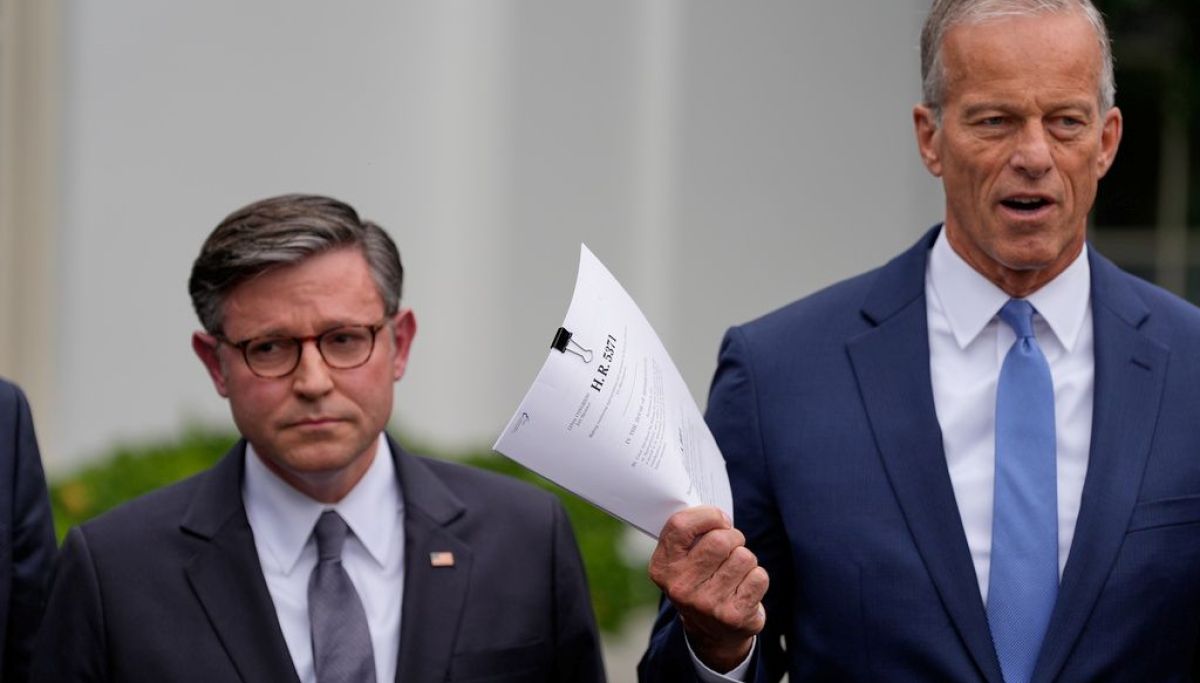
Trump at 32% Approval as Gas Prices Test GOP Midterm Hopes
NYT/Siena polling showed Trump's approval at historic lows around 32 percent with Democrats leading by double digits in key districts. Early voting has surged in battleground states.

Record Early Voting Hits Battlegrounds, Shifting Partisan Shares
AP analysis found hundreds of thousands more early ballots than in 2022 in states including Texas, Ohio, Kansas, Maine, and North Carolina, shifting partisan dynamics.
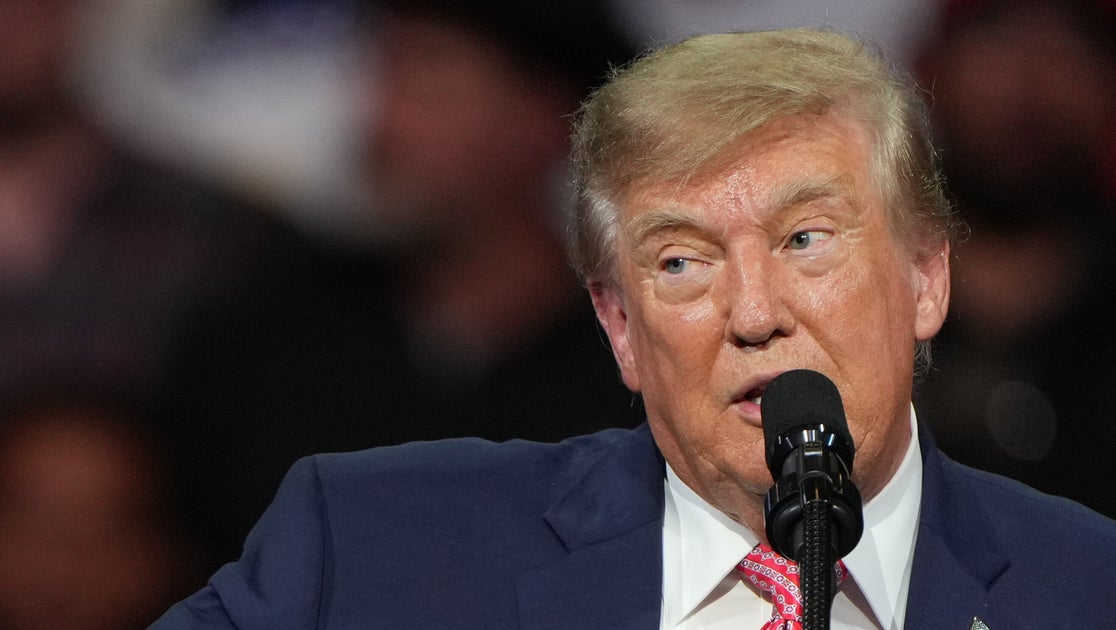
Trump Backs Marshall in Kansas Senate Race Tightened by Farm Costs
President Trump rallied in deep-red Kansas for GOP Sen. Roger Marshall in a competitive race, announcing an $8 billion farm fuel relief program amid high diesel prices. Democrats see an opening to end 94 years of GOP dominance in the state.

Trump Pauses Russia Sanctions Amid Ukraine Tensions and Missile Strikes
Trump waived sanctions on Russia and floated trilateral talks with Putin and Xi as part of ending the Ukraine war, while tensions rose with Zelenskyy over Starlink and arms. Bipartisan senators engaged Zelenskyy amid the shifts.
The Compass
You just read five takes on one story.
What's your take? Find your political shape in a few minutes.
Take the test