
Trump Support Slips Among White Working-Class Voters

Cover image from npr.org, which was analyzed for this article
Polls showed declining support for Trump among his traditional White working-class voters amid economic pressures and foreign policy developments.
PoliticalOS
Thursday, May 28, 2026 — Politics
White working-class approval for Trump has moved net negative in recent CBS polling amid higher gas and grocery costs linked to tariffs and the Iran conflict. This erosion carries direct implications for Republican midterm prospects in states Trump carried comfortably in 2024. Voters express varying degrees of continued trust or outright withdrawal from the process.
What outlets missed
Neither outlet supplied state-level polling on whether the approval drop is uniform across battleground states or concentrated in manufacturing regions. The WaPo account omitted the NPR/PBS/Marist finding that 81 percent of respondents called gas prices a household strain. NPR did not report the CBS demographic-specific numbers or the Ohio factory closure details. Broader context on consumer sentiment reaching record lows was referenced only indirectly.
Rising Gas Prices Stir Voter Frustration With Trump in Swing States
Voters across several battleground states are feeling the strain of elevated fuel costs as they head into the midterm season, with some who backed Donald Trump now questioning his handling of the economy. In Pennsylvania, Colleen, a participant in NPR's ongoing Swing Shift project tracking swing voters, recently paid $4.37 per gallon at the pump. She described the decision to cut back on family expenses to cover transportation needs, noting that political leaders appear detached from such daily pressures. Colleen, who supported Kamala Harris in 2024 after voting for Trump in 2020, suggested the issue might prompt greater attention to politics at the ballot box.
Similar concerns are surfacing among White working-class voters who formed a core part of Trump's base. In Ohio, Annette Dombrowski, a 64-year-old janitor, expressed worry that high prices for gas, groceries and other essentials could persist. She had anticipated relief from Trump's campaign pledges to lower costs but now faces mounting bills after her factory shifted operations overseas. A CBS News poll this month showed 54 percent of White voters without college degrees disapproving of Trump's job performance, a notable rise from 32 percent in February 2025.
These shifts reflect broader economic discontent. Participants in the NPR project, including voters from Nevada, Michigan, Georgia, North Carolina and Wisconsin, have mixed voting histories yet share reports of tightening budgets tied to fuel expenses. One voter in the group highlighted the need to forgo other purchases to maintain basic mobility, underscoring how such costs ripple through household decisions.
Trump's approval among this demographic has softened in multiple surveys, complicating Republican efforts to mobilize the same supporters who delivered victories in 2024. Dombrowski recalled watching executive orders signed with optimism last year, only to confront reality as prices climbed. Colleagues at her workplace echoed the sentiment, with some predicting eventual improvement while others questioned the timeline.
The pattern extends beyond individual accounts. Swing voters interviewed by NPR indicated that repeated exposure to higher costs is prompting reevaluation of prior support. In Georgia and Wisconsin, participants described weighing economic outcomes more heavily in future calculations, particularly as midterms approach. This group, drawn from states pivotal to recent elections, includes individuals who crossed party lines in past cycles and now cite inflation's tangible effects.
Analysts note that sustained price pressures could influence turnout, especially among those without college degrees who previously offset losses elsewhere. The CBS findings align with other polling showing dissatisfaction crossing demographic lines, though the drop among working-class White voters stands out given their consistent role in Trump's coalition.
Voters like Colleen continue sending updates on how fuel costs intersect with family priorities, emphasizing the absence of visible concern from officials. As the project continues tracking these voices through the election cycle, the data points to a segment of the electorate increasingly linking personal finances to political accountability.
You just read Progressive's take. Want to read what actually happened?
More in Politics
Trump at 32% Approval as Gas Prices Test GOP Midterm Hopes
NYT/Siena polling showed Trump's approval at historic lows around 32 percent with Democrats leading by double digits in key districts. Early voting has surged in battleground states.

Record Early Voting Hits Battlegrounds, Shifting Partisan Shares
AP analysis found hundreds of thousands more early ballots than in 2022 in states including Texas, Ohio, Kansas, Maine, and North Carolina, shifting partisan dynamics.
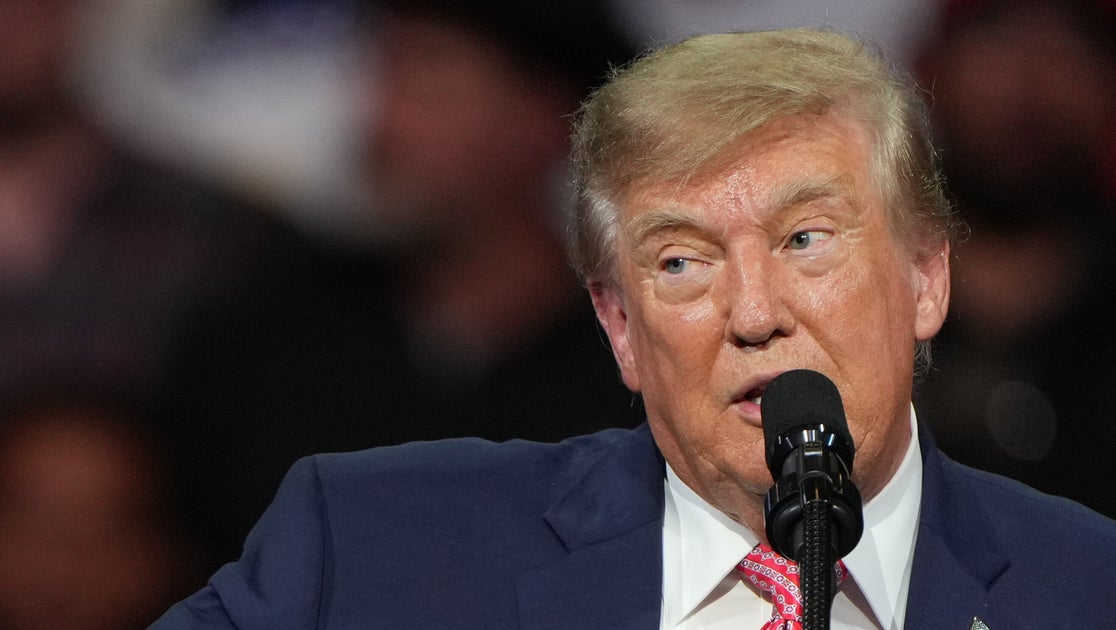
Trump Backs Marshall in Kansas Senate Race Tightened by Farm Costs
President Trump rallied in deep-red Kansas for GOP Sen. Roger Marshall in a competitive race, announcing an $8 billion farm fuel relief program amid high diesel prices. Democrats see an opening to end 94 years of GOP dominance in the state.

Trump Pauses Russia Sanctions Amid Ukraine Tensions and Missile Strikes
Trump waived sanctions on Russia and floated trilateral talks with Putin and Xi as part of ending the Ukraine war, while tensions rose with Zelenskyy over Starlink and arms. Bipartisan senators engaged Zelenskyy amid the shifts.
The Compass
You just read five takes on one story.
What's your take? Find your political shape in a few minutes.
Take the test