
Trump Signs Narrow Orders Limiting Birthright Citizenship Categories

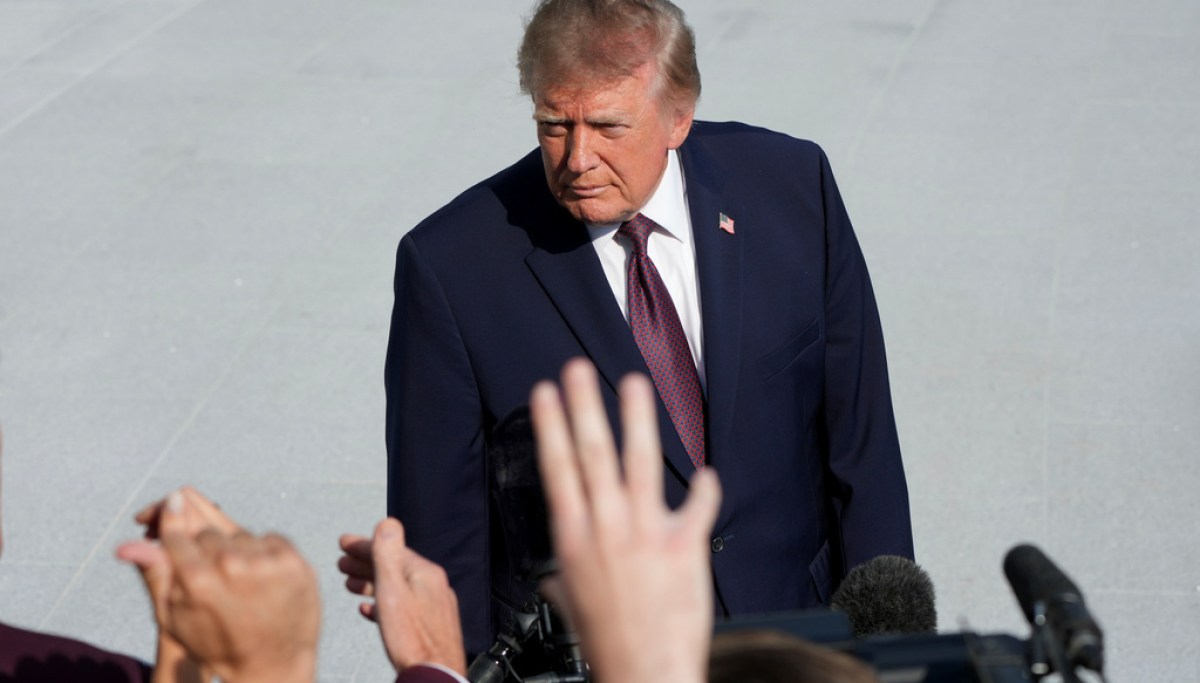
Cover image from independent.co.uk, which was analyzed for this article
President Trump issued new executive orders aimed at ending birth tourism and restricting birthright citizenship. The moves continue his administration's immigration policy focus.
PoliticalOS
Friday, August 7, 2026 — Politics
The new orders target narrower groups than the prior version struck down by the Supreme Court, yet they remain subject to immediate legal challenge under the 14th Amendment. Readers should track whether courts treat the redefined categories as distinguishable from the broader policy already rejected.
What outlets missed
The 6-3 split in the June 30 Supreme Court decision received limited mention outside one outlet, leaving readers without evidence of ongoing judicial division. Specific excluded categories such as "alien enemies" and foreign government employees align with historical statutory exclusions yet received uneven explanation. Government data showing fewer than 10,000 relevant births contrasted with higher think-tank estimates but appeared inconsistently. The 14th Amendment text itself was quoted in full by only some sources. Precedent for diplomats already excluded from birthright citizenship was referenced unevenly.
President Trump signed two executive orders on Thursday that narrow the groups eligible for automatic U.S. citizenship at birth and restrict entry for foreign nationals seeking to give birth in the United States. The actions follow a June 30 Supreme Court ruling that invalidated a broader prior order as inconsistent with the 14th Amendment.
The first order excludes children born to non-citizen parents where at least one parent qualifies as an "alien enemy," a foreign government employee, or a person engaged in a commercial transaction to secure birthright citizenship. It also denies citizenship to births in U.S. territories or waters where federal statute does not confer it. The second order directs the Secretaries of State and Homeland Security to deny visas and remove individuals attempting "birth tourism."
Trump described the prior ruling as "very, very unfortunate" and said the new measures address unfairness. White House deputy chief of staff Stephen Miller stated the orders expand ineligible categories and ban birth tourism for the first time, noting that some visitors enter under false pretenses to obtain citizenship for their children. Government data recorded fewer than 10,000 births to mothers with foreign addresses in 2024; a Migration Policy Institute analysis estimated 22,000 to 26,000 annual cases of birth tourism.
Critics including ACLU deputy director Cody Wofsy and Senators Alex Padilla and Ruben Gallego argued the orders violate the 14th Amendment's citizenship clause, which states that all persons born in the United States and subject to its jurisdiction are citizens. The Supreme Court had ruled 6-3 in the earlier case. Legal challenges are expected, though the narrower definitions may raise distinct questions from the struck-down version.
The orders build on a 2020 State Department rule that already permitted denial of visas for suspected birth tourism. No official tally exists for organized operations, though Republican lawmakers have cited concerns involving Chinese nationals in the Northern Mariana Islands.
More in Politics

Federal Agents Search Omar Home in Ongoing Immigration Probe
Homeland Security agents searched the Minnesota Democrat's DC residence in a criminal probe, prompting accusations of political intimidation from Omar and Democratic leaders. Coverage spans left-leaning outlets like NPR, BBC, and The Guardian alongside right-leaning criticism from The Federalist and Daily Wire.

Trump Diesel Import Plan Draws Pushback Over Russia Ties
The weekend agreement drew bipartisan congressional pushback and criticism from Ukraine's Zelenskyy, with analysts downplaying US fuel price impacts. Right-leaning outlets like National Review, Dispatch, and Washington Examiner questioned its legality and effectiveness.

Independents Test Voter Appetite for Middle Ground in 2026 Midterms
Nearly 200 independents are running in competitive races as voters weigh ballot measures on housing costs in states like Massachusetts. Left-leaning coverage from NYT, NPR, and Guardian highlights turnout and key races while right outlets focus on GOP strategy.
Trump Rallies in Alaska, Ohio to Bolster GOP Senate Candidates
The president rallied in Wasilla for Sen. Dan Sullivan and faced empty seats at an Ohio event amid midterm concerns. Outlets across the spectrum covered the trips as signals of GOP vulnerability weeks before Election Day.
The Compass
You just read five takes on one story.
What's your take? Find your political shape in a few minutes.
Take the test