
Trump Shifts Cabinet Meeting to White House as Iran Talks Stall

Cover image from npr.org, which was analyzed for this article
President Trump convened his Cabinet at the White House to discuss Iran talks and other issues while addressing questions about his recent physical exam and declining approval ratings on foreign policy and the economy.
PoliticalOS
Wednesday, May 27, 2026 — Politics
The Cabinet meeting occurs while core issues over Iran's uranium stockpile and the Lebanon ceasefire remain unresolved, with Republican lawmakers voicing public skepticism. Readers should track whether the 60-day extension produces verifiable concessions or simply defers the hardest choices.
What outlets missed
No outlet examined the specific 440.9-kilogram uranium figure or the 60-day implementation window cited by regional officials. Coverage omitted any reference to the health questions raised in the original topic summary. The articles also left unaddressed how the proposed deal would handle verification by the Atomic Energy Commission or equivalent body.
Trump Shifts Cabinet Meeting to White House as Iran Talks Falter and Approval Ratings Slide
President Donald Trump will convene his Cabinet at the White House on Wednesday after abruptly canceling plans to gather at Camp David, citing forecasts of heavy rain. The decision came just hours after the White House announced the retreat as the venue for the 12th Cabinet meeting of Trump’s second term, a session billed to cover economic wins, fraud reduction efforts and foreign policy updates including the ongoing conflict with Iran.
The switch underscores the administration’s inconsistent approach to the presidential retreat, which Trump has visited far less often than predecessors. The planned Camp David session would have marked only his second trip there since returning to office, following a June 2025 national security huddle that preceded U.S. strikes on Iranian nuclear sites. Instead, the meeting will take place in its usual Washington setting amid delicate negotiations to end nearly three months of hostilities.
Those talks remain unsettled despite Trump’s weekend claim that a deal was near. U.S. forces conducted strikes on Iranian missile sites and mine-laying boats Monday, killing four members of the Islamic Revolutionary Guard Corps, according to reports. The Pentagon described the action as defensive, yet the timing has complicated diplomatic efforts. The emerging framework would reopen the Strait of Hormuz and scale back Iran’s nuclear program enough for Trump to claim victory, but it defers major issues and has drawn criticism even from some Republican supporters who warn that Tehran’s leadership could emerge battered yet more determined.
Public sentiment has turned against the conflict. Recent polls show Trump’s approval rating at a second-term low, with economic pessimism rising as fuel prices climb ahead of the midterm elections. Republicans have expressed concern that the war of choice is darkening voter mood at a moment when control of Congress is at stake.
The Cabinet session will unfold against a backdrop of unusual deference within Trump’s inner circle. A New York Times analysis of recent meetings found that one in every six sentences spoken by Cabinet members contained flattery, whether through direct compliments, crediting Trump for global conflict resolutions or attacking his political opponents. Secretary of State Marco Rubio spoke most frequently and offered the highest volume of praise, while Vice President JD Vance devoted one of every six sentences to criticizing Trump’s adversaries. White House officials have defended the open-press format as a transparency measure, though the pattern of validation has become a recurring feature of televised gatherings.
Trump’s announcement of the venue change appeared on his Truth Social platform Tuesday evening, after initial reports highlighted the Camp David location. The move avoids a trip to the Maryland countryside at a time when the administration faces scrutiny over both the Iran negotiations and domestic economic indicators. Foreign and domestic topics are expected to dominate the discussion, with emphasis placed on claimed successes in small business and fraud elimination.
As the midterms approach, the administration’s handling of the Iran conflict and its internal dynamics will likely remain under examination, particularly given the gap between Trump’s public optimism and the continuing volatility on the ground.
You just read Progressive's take. Want to read what actually happened?
More in Politics
Trump at 32% Approval as Gas Prices Test GOP Midterm Hopes
NYT/Siena polling showed Trump's approval at historic lows around 32 percent with Democrats leading by double digits in key districts. Early voting has surged in battleground states.

Record Early Voting Hits Battlegrounds, Shifting Partisan Shares
AP analysis found hundreds of thousands more early ballots than in 2022 in states including Texas, Ohio, Kansas, Maine, and North Carolina, shifting partisan dynamics.
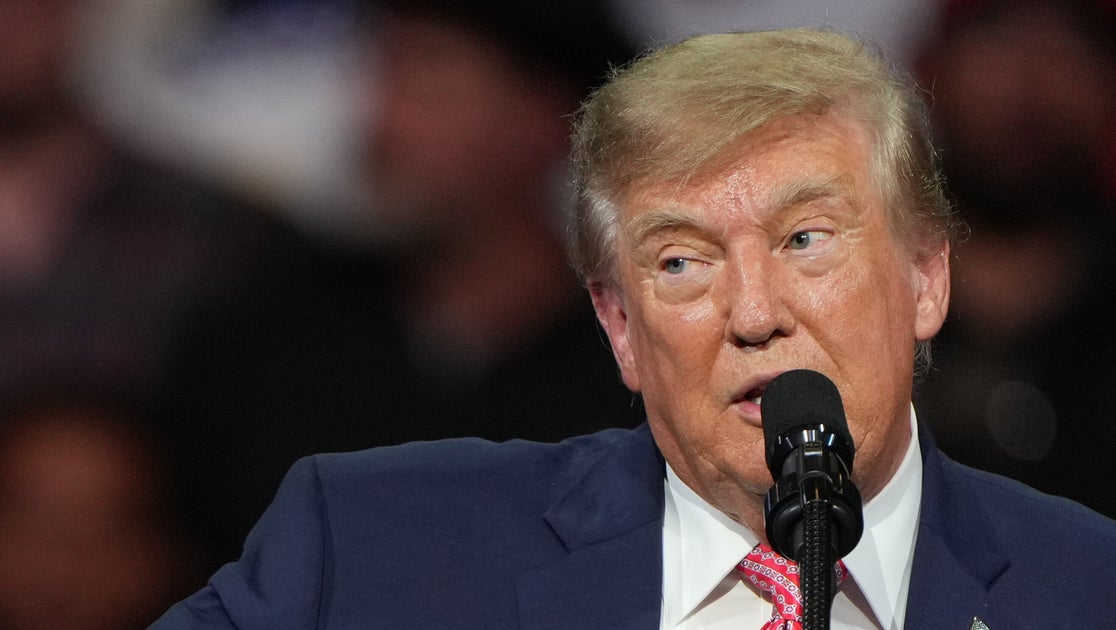
Trump Backs Marshall in Kansas Senate Race Tightened by Farm Costs
President Trump rallied in deep-red Kansas for GOP Sen. Roger Marshall in a competitive race, announcing an $8 billion farm fuel relief program amid high diesel prices. Democrats see an opening to end 94 years of GOP dominance in the state.

Trump Pauses Russia Sanctions Amid Ukraine Tensions and Missile Strikes
Trump waived sanctions on Russia and floated trilateral talks with Putin and Xi as part of ending the Ukraine war, while tensions rose with Zelenskyy over Starlink and arms. Bipartisan senators engaged Zelenskyy amid the shifts.
The Compass
You just read five takes on one story.
What's your take? Find your political shape in a few minutes.
Take the test