
Trump Meets Xi in Beijing Amid Trade, Iran and Taiwan Tensions
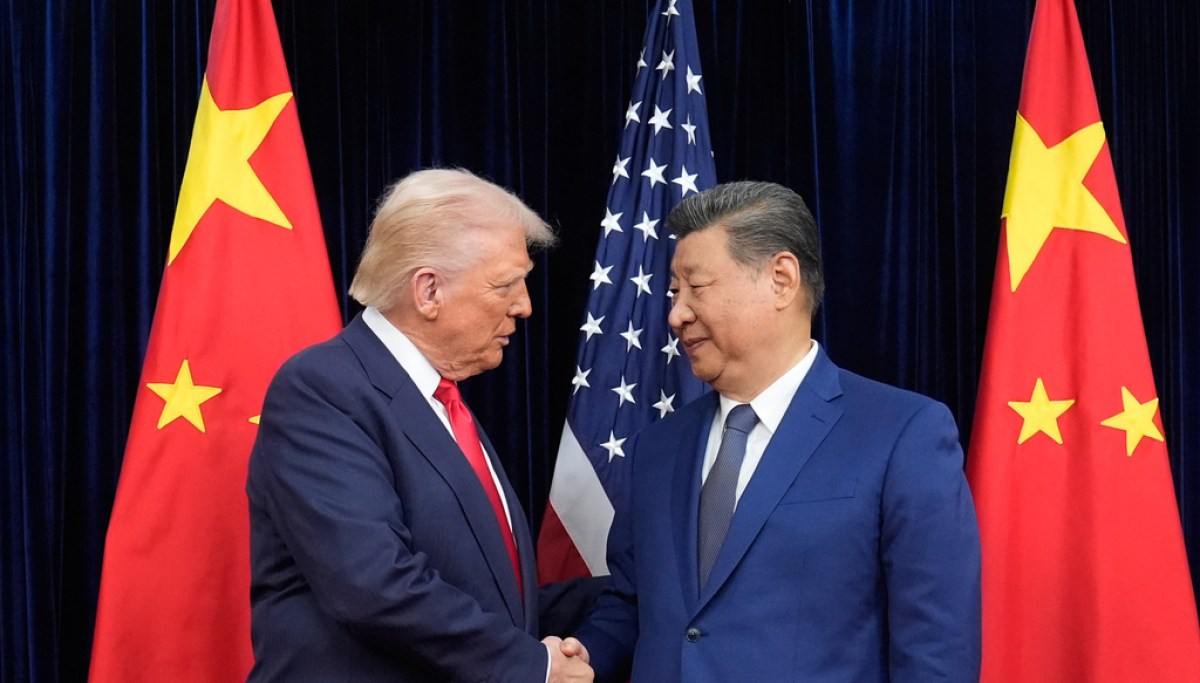
Cover image from washingtonexaminer.com, which was analyzed for this article
Trump travels to Beijing for high-stakes talks with Xi on trade, Taiwan, Iran support, and AI amid bilateral frictions. Tech CEOs including Elon Musk and Tim Cook accompany him, though Nvidia's Huang stays behind. The summit tests their relationship as Trump softens on China's system.
PoliticalOS
Tuesday, May 12, 2026 — Politics
The summit is primarily an effort to stabilize trade relations and manage immediate frictions over Iran and Taiwan rather than to achieve a sweeping new agreement. Trump’s personal rapport with Xi provides the main channel for modest deals on agriculture and aircraft, yet structural competition over technology and security remains unresolved.
What outlets missed
Most coverage omitted the precise sequence of the Iran conflict, including that U.S. and Israeli strikes preceded Iran’s closure of the Strait of Hormuz. Few outlets reported the exact scale of past commercial deals announced during Trump-Xi meetings or confirmed that no Supreme Court ruling on tariffs occurred in February. Several pieces also failed to note that Nvidia CEO Jensen Huang is not traveling with the delegation while other semiconductor executives are.
Trump Heads to Beijing for Summit Focused on Trade and Strategic Rivalries
President Donald Trump travels to China this week for his first visit there in nine years, meeting Chinese leader Xi Jinping at a moment when economic ties between the two nations remain deeply intertwined despite longstanding frictions. The talks, scheduled over two days, will center on trade imbalances, technology competition, and China's economic ties to Iran and Russia, issues that directly affect American consumers and businesses.
A senior administration official noted that Trump has already raised with Xi the revenue China provides to those regimes through purchases of oil and other goods, along with shipments of dual-use components. Recent U.S. sanctions on Iranian oil have met resistance in Beijing, where officials directed companies to disregard them under a blocking statute. This pattern underscores how China's economic decisions shape outcomes far beyond its borders, including supply disruptions in energy markets tied to the conflict involving Iran.
American attitudes toward China reflect a clear-eyed assessment of competition. A recent poll found that nearly eight in ten respondents view China as seeking global dominance, with most seeing the primary threat as economic rather than military. A majority classify China as either a rival or adversary, ranking it just behind Russia in hostility. At the same time, respondents favor maintaining trade links and lowering tariffs to limit price increases for households.
Trump will be accompanied by several business leaders, including Elon Musk of Tesla and SpaceX, Apple's Tim Cook, and executives from Qualcomm and Cisco. Their presence highlights the role of private enterprise in navigating relations with Beijing. Companies like Apple continue to rely on Chinese manufacturing for much of their output, even as they diversify production elsewhere. Deals in semiconductors or other high-tech sectors could emerge, though limits on chip exports remain a point of tension.
Trade remains central. Tariffs imposed in prior years narrowed the U.S. deficit with China, yet it still exceeds $200 billion. Beijing seeks greater predictability and lower barriers to its exports, particularly manufactured goods. Trump has described the relationship as one of smart business, noting mutual gains when terms favor American interests. Past summits produced pauses in tariff escalations, but enforcement of fair practices continues to test both sides.
Taiwan also figures in the agenda. Xi is expected to seek reduced U.S. arms support and clearer statements against Taiwanese independence. Trump has indicated the topic will be discussed directly. China's broader aims include stability in export markets to offset weaknesses in its domestic economy, such as real estate troubles.
The summit occurs against a backdrop of earlier encounters between the two leaders, from their 2017 meeting onward. Those sessions mixed personal rapport with concrete disputes over market access and security. Current expectations center on incremental steps rather than sweeping agreements, consistent with the incentives both nations have to avoid abrupt disruptions in commerce.
Public data shows only a small share of Americans see China as posing no threat at all. This view aligns with the reality that economic leverage often precedes or accompanies strategic moves. Sustained pressure on unfair practices, paired with openness to mutually beneficial exchanges, offers the clearest path to protecting American prosperity without illusions about the nature of the competition.
You just read Conservative's take. Want to read what actually happened?
More in Politics

Trump Defends Ramaswamy Ad Using Estranged Mother in Ohio Race
President Trump defended a GOP nominee's ad featuring a Democratic opponent's estranged mother, calling it powerful, while drawing criticism from some Republicans including Ohio Gov. Mike DeWine. The ad has sparked internal GOP tensions ahead of midterms.
Federal Raid Targets Omar Amid Unresolved Name and Marriage Allegations
Agents searched Rep. Ilhan Omar's DC residence over immigration fraud allegations; she called it bizarre. Reports and commentary questioned her birth name and past marriage details.

Supreme Court Upholds New Hampshire Student ID Voting Ban
The Supreme Court upheld New Hampshire's ban on student IDs as valid voter identification just before midterms, affecting a tight Senate race.
Early Voting Hits 21 Million as Most Trust Midterm Accuracy
Millions have already voted early as parties make final appeals amid $1.4 billion in ad spending; polls show confidence in election accuracy.
The Compass
You just read five takes on one story.
What's your take? Find your political shape in a few minutes.
Take the test