
Trump Meets Xi in Beijing Amid Trade, Iran and Taiwan Tensions
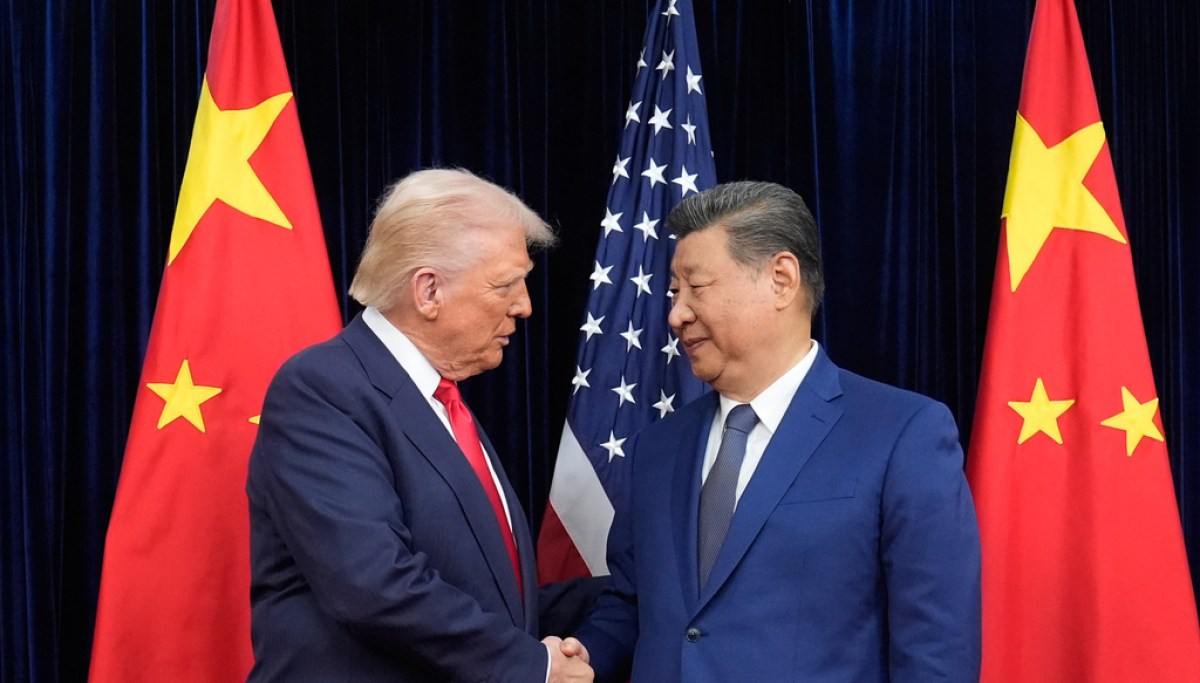
Cover image from washingtonexaminer.com, which was analyzed for this article
Trump travels to Beijing for high-stakes talks with Xi on trade, Taiwan, Iran support, and AI amid bilateral frictions. Tech CEOs including Elon Musk and Tim Cook accompany him, though Nvidia's Huang stays behind. The summit tests their relationship as Trump softens on China's system.
PoliticalOS
Tuesday, May 12, 2026 — Politics
The summit is primarily an effort to stabilize trade relations and manage immediate frictions over Iran and Taiwan rather than to achieve a sweeping new agreement. Trump’s personal rapport with Xi provides the main channel for modest deals on agriculture and aircraft, yet structural competition over technology and security remains unresolved.
What outlets missed
Most coverage omitted the precise sequence of the Iran conflict, including that U.S. and Israeli strikes preceded Iran’s closure of the Strait of Hormuz. Few outlets reported the exact scale of past commercial deals announced during Trump-Xi meetings or confirmed that no Supreme Court ruling on tariffs occurred in February. Several pieces also failed to note that Nvidia CEO Jensen Huang is not traveling with the delegation while other semiconductor executives are.
Trump Takes On Xi In Beijing As China Fuels Iran And Russia
President Trump arrives in Beijing this week for his first visit to China in nearly a decade, where he plans to press Chinese leader Xi Jinping over Beijing's ongoing economic and material support for Iran and Russia. Senior administration officials said the president has already raised these issues in prior calls, pointing to China's purchases of Iranian oil and shipments of dual-use components that help sustain adversarial regimes.
The timing adds pressure. The war with Iran drags on, with the Strait of Hormuz still closed and global energy markets strained. Trump delayed the trip earlier in hopes of a quicker resolution, but China has used the moment to strengthen ties with Tehran, hosting its foreign minister just days before the summit. Officials expect sanctions and export controls to feature prominently in the talks, following recent U.S. actions targeting entities tied to Iranian oil flows. China responded by ordering its companies to ignore those sanctions through a blocking statute, a direct challenge to American enforcement.
Trade remains central. Both sides want stability after last year's tariff truce in Busan, yet America's deficit with China still tops $200 billion. Trump has signaled openness to adjustments that could lower costs for U.S. consumers, though he has also warned of new measures if Beijing fails to curb its support for Moscow and Tehran. A poll released this week showed most Americans view China as a rival or adversary seeking global dominance, with economic threats seen as more pressing than military ones. Only a small share sees China as a necessary partner.
Taiwan will test the personal rapport Trump claims with Xi. The Chinese leader wants clearer U.S. statements opposing Taiwanese independence and limits on arms sales. Trump has said the topic is on the agenda and that he will discuss it directly. Analysts note Xi may tie any help on reopening the Strait of Hormuz to concessions there, a linkage that could shift long-term U.S. commitments in the region.
Tech executives traveling with the president underscore another layer. Figures from Apple, Tesla, Micron and others join to push for investment and supply-chain deals, though major semiconductor breakthroughs look unlikely without Nvidia's involvement. The administration wants open channels on artificial intelligence rules while guarding against technology transfers that could strengthen China's military edge.
Trump has described his relationship with Xi in positive terms, saying they do a lot of business and get along well. Yet the underlying dynamic remains one of competition. China seeks predictable access to U.S. markets for its excess goods and relief from tariffs. The United States seeks leverage on security issues without ceding ground on Taiwan or allowing Beijing to prop up regimes hostile to American interests. How much each side yields will shape the next phase of relations between the two powers.
You just read America First's take. Want to read what actually happened?
More in Politics
Trump at 32% Approval as Gas Prices Test GOP Midterm Hopes
NYT/Siena polling showed Trump's approval at historic lows around 32 percent with Democrats leading by double digits in key districts. Early voting has surged in battleground states.

Record Early Voting Hits Battlegrounds, Shifting Partisan Shares
AP analysis found hundreds of thousands more early ballots than in 2022 in states including Texas, Ohio, Kansas, Maine, and North Carolina, shifting partisan dynamics.
Trump Backs Marshall in Kansas Senate Race Tightened by Farm Costs
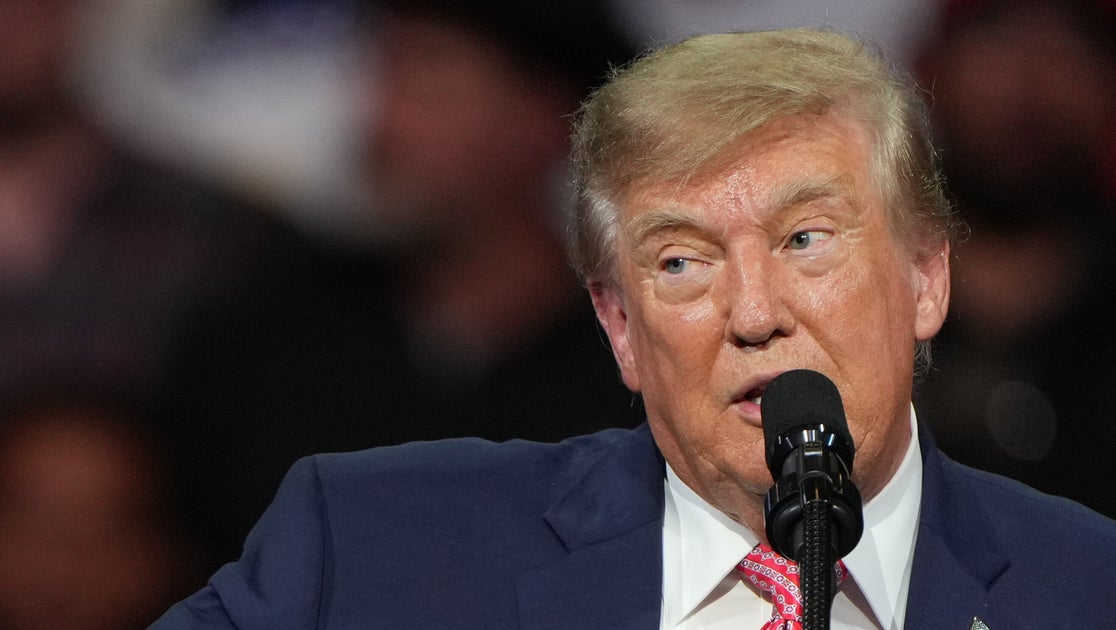
President Trump rallied in deep-red Kansas for GOP Sen. Roger Marshall in a competitive race, announcing an $8 billion farm fuel relief program amid high diesel prices. Democrats see an opening to end 94 years of GOP dominance in the state.

Trump Pauses Russia Sanctions Amid Ukraine Tensions and Missile Strikes
Trump waived sanctions on Russia and floated trilateral talks with Putin and Xi as part of ending the Ukraine war, while tensions rose with Zelenskyy over Starlink and arms. Bipartisan senators engaged Zelenskyy amid the shifts.
The Compass
You just read five takes on one story.
What's your take? Find your political shape in a few minutes.
Take the test