
Courts Block Trump Name Change, Reopen IRS Settlement Probe
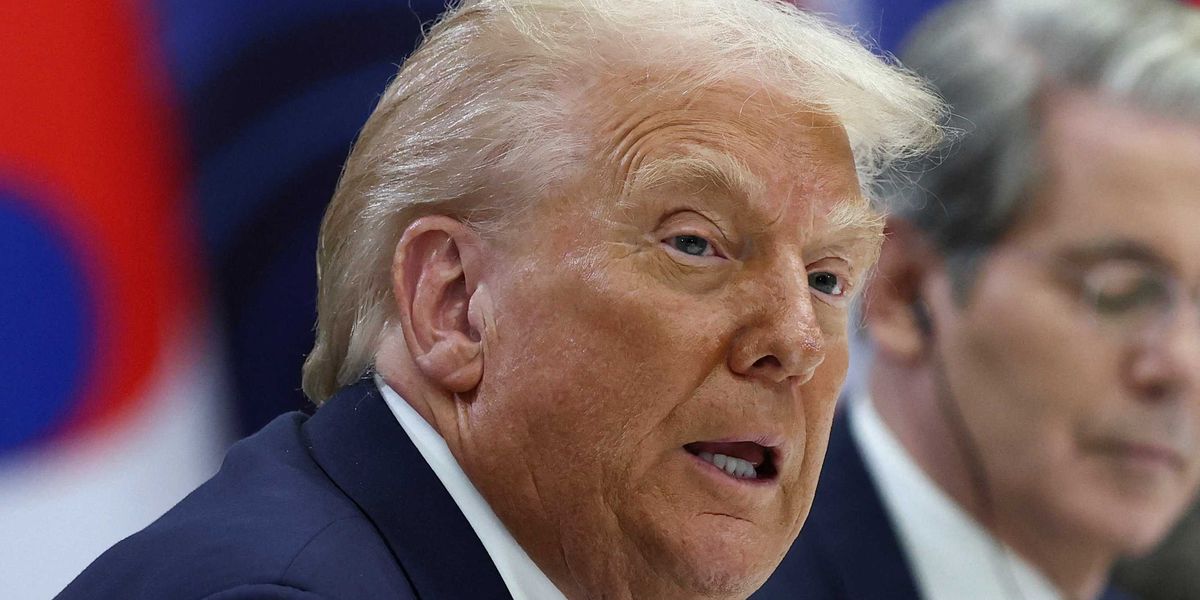
Cover image from rawstory.com, which was analyzed for this article
Trump suffered multiple court losses in a single day, including scrutiny over classified documents and other legal matters as his past actions face renewed accountability.
PoliticalOS
Sunday, May 31, 2026 — Politics
Two narrow court orders and one appeals scheduling decision created fresh procedural hurdles for specific Trump administration actions. The outcomes reopen questions about naming authority, settlement oversight, and document access but leave the underlying legal merits for further litigation.
What outlets missed
The administration's stated reasons for closing the Kennedy Center and the precise terms of the $1.8 billion IRS settlement were absent from coverage. Court dockets contain hearing transcripts that detail the renovation schedule and the settlement's stated purpose. No independent verification of the $1.8 billion figure's allocation or its impact on ongoing prosecutions appears in the available reporting. The Eleventh Circuit's prior 60-day deadline and Judge Cannon's stated rationale for blocking release also received limited procedural context.
Federal Courts Demand Accountability in Multiple Trump-Related Cases
Legal proceedings involving former President Donald Trump advanced on two fronts this week, with appeals courts directing lower judges to address delays and reconsider prior rulings in disputes over classified materials and government spending. These developments underscore ongoing tensions between judicial oversight and executive authority, as multiple parties seek to influence outcomes in cases that have dragged on for years.
In the classified documents matter, the Eleventh Circuit Court of Appeals set a July deadline for full briefing on efforts to unseal portions of Special Counsel Jack Smith's report. The order follows earlier criticism of U.S. District Judge Aileen Cannon for what the higher court described as undue delay in handling requests from outside groups. Cannon, appointed during Trump's first term, had blocked release of the volume covering materials recovered from Mar-a-Lago. Former U.S. Attorney Joyce Vance noted in her analysis that the circuit's action signals growing impatience with prolonged procedural holds. The case centers on Volume II of the report, which remains sealed despite public interest arguments from media and transparency organizations.
Critics of the special counsel process have long pointed to structural problems when the Justice Department effectively operates without clear adversarial checks. Here, the executive branch under the current administration appears aligned with arguments to keep materials restricted, raising questions about whether standard separation-of-powers safeguards are functioning as intended. Historical patterns in high-profile investigations show that extended litigation often serves to shape public perception more than resolve underlying facts.
Separately, a federal judge in Florida reopened a lawsuit challenging an $1.8 billion settlement tied to IRS funding disputes. The move came after a motion filed by a coalition including former federal judges, who argued the arrangement amounted to an improper transfer of resources that could shield certain parties from future scrutiny. U.S. District Judge Kathleen Williams ordered further review, prompting claims from involved attorneys that the decision marks a significant check on administrative actions. A related ruling in the Kennedy Center dispute blocked an administration plan for renovations and name changes, with the court holding that only Congress holds authority over such designations.
These rulings arrive amid broader litigation involving hundreds of active cases targeting various executive decisions. Observers note that repeated involvement by the same network of former officials and advocacy groups in challenging Trump-era policies suggests coordinated efforts rather than isolated legal questions. Such patterns can strain judicial resources and blur lines between legitimate accountability and political contestation.
Data on federal case backlogs indicate that matters involving prominent political figures tend to consume disproportionate court time compared with routine disputes. This allocation carries opportunity costs, as resources devoted to extended appeals could address other pressing legal matters affecting ordinary citizens. Economic analyses of regulatory and legal uncertainty, consistent with frameworks emphasizing incentives and institutional constraints, show that prolonged uncertainty often discourages investment and compliance across sectors.
The Eleventh Circuit's schedule and the reopened Florida proceedings reflect standard appellate mechanisms at work. Yet the underlying cases illustrate how disputes originating in one administration can persist and mutate across successors, frequently driven by actors outside elected government. Effective governance requires consistent application of rules without regard to partisan alignment, a standard that remains difficult to maintain when incentives favor extended conflict over resolution.
You just read Conservative's take. Want to read what actually happened?
More in Politics

Trump Defends Ramaswamy Ad Using Estranged Mother in Ohio Race
President Trump defended a GOP nominee's ad featuring a Democratic opponent's estranged mother, calling it powerful, while drawing criticism from some Republicans including Ohio Gov. Mike DeWine. The ad has sparked internal GOP tensions ahead of midterms.
Federal Raid Targets Omar Amid Unresolved Name and Marriage Allegations
Agents searched Rep. Ilhan Omar's DC residence over immigration fraud allegations; she called it bizarre. Reports and commentary questioned her birth name and past marriage details.

Supreme Court Upholds New Hampshire Student ID Voting Ban
The Supreme Court upheld New Hampshire's ban on student IDs as valid voter identification just before midterms, affecting a tight Senate race.
Early Voting Hits 21 Million as Most Trust Midterm Accuracy
Millions have already voted early as parties make final appeals amid $1.4 billion in ad spending; polls show confidence in election accuracy.
The Compass
You just read five takes on one story.
What's your take? Find your political shape in a few minutes.
Take the test