
Courts Block Trump Name Change, Reopen IRS Settlement Probe
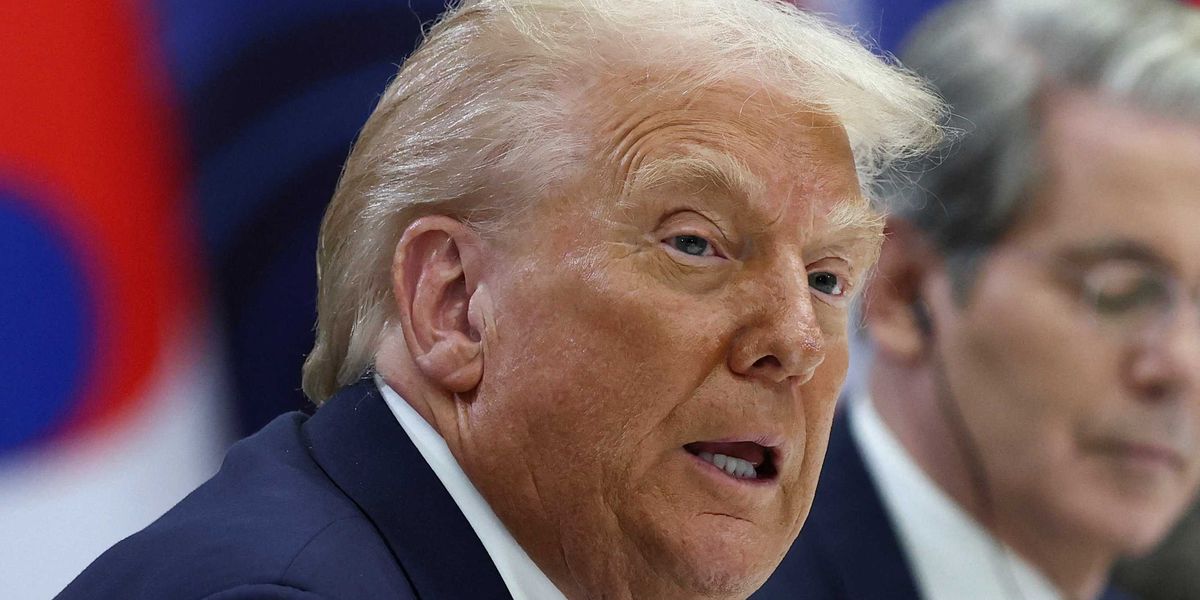
Cover image from rawstory.com, which was analyzed for this article
Trump suffered multiple court losses in a single day, including scrutiny over classified documents and other legal matters as his past actions face renewed accountability.
PoliticalOS
Sunday, May 31, 2026 — Politics
Two narrow court orders and one appeals scheduling decision created fresh procedural hurdles for specific Trump administration actions. The outcomes reopen questions about naming authority, settlement oversight, and document access but leave the underlying legal merits for further litigation.
What outlets missed
The administration's stated reasons for closing the Kennedy Center and the precise terms of the $1.8 billion IRS settlement were absent from coverage. Court dockets contain hearing transcripts that detail the renovation schedule and the settlement's stated purpose. No independent verification of the $1.8 billion figure's allocation or its impact on ongoing prosecutions appears in the available reporting. The Eleventh Circuit's prior 60-day deadline and Judge Cannon's stated rationale for blocking release also received limited procedural context.
Courts Press Forward on Trump Accountability Cases
Federal judges are showing renewed willingness to scrutinize cases tied to Donald Trump, with recent rulings forcing movement in disputes over classified documents and administration actions. The developments come as appeals courts and district judges reject efforts to stall proceedings or reshape institutions through unilateral steps.
In the classified documents matter, the Eleventh Circuit Court of Appeals has set a full briefing schedule that requires all submissions by July. The order follows months of inaction by Judge Aileen Cannon, a Trump appointee, who blocked release of the second volume of special counsel Jack Smith’s report on the day of Trump’s inauguration. That volume examines the handling of classified materials at Mar-a-Lago. Public interest groups had sought to intervene, but Cannon ruled against them. The circuit court had already flagged undue delay and given Cannon sixty days to act; after her adverse ruling, the groups appealed again. Legal analyst Joyce Vance noted that the new schedule, signed by a Biden appointee, fits a pattern in which the Eleventh Circuit has corrected Cannon’s earlier decisions. She argued the moves suggest the window for prolonged procedural blocks is narrowing.
Separately, a pair of rulings delivered coordinated setbacks to administration positions. In one, a federal judge halted attempts to close the Kennedy Center for renovations and directed that Trump’s name be removed from the venue within two weeks. The court held that only Congress possesses authority to alter the name of the national cultural institution. The decision followed arguments presented by former ethics official Norman Eisen and allied groups. In the second case, Judge Kathleen Williams in Florida reopened an IRS-related lawsuit after a motion filed on behalf of thirty-five bipartisan former federal judges. The judges contended that a large settlement reached under the prior administration functioned as a mechanism to direct funds to political allies while limiting future accountability. Williams ordered an inquiry into whether the court had been misled during the settlement process.
These cases share a common thread: judicial insistence on preserving an adversarial structure rather than allowing one side to control both the defense and the oversight mechanisms. In the documents dispute, the appeals court is requiring the Justice Department to respond as an opposing party instead of aligning with the subject of the investigation. In the IRS matter, the court is examining whether a settlement served to insulate private interests from scrutiny. The Kennedy Center ruling reinforces statutory limits on executive authority over public institutions.
Observers tracking the dockets point out that such interventions do not resolve the underlying merits but do reopen avenues for evidence and argument that had been closed. The Eleventh Circuit’s schedule keeps pressure on the lower court to produce a record that can be reviewed. The Florida investigation into the settlement introduces the possibility of additional findings about how public resources were allocated. Together, the rulings illustrate courts treating procedural fairness as a substantive constraint rather than a formality that can be waived when political control shifts.
The pace of these developments remains subject to further appeals and motions. Yet the recent orders indicate that multiple federal judges are treating sustained efforts to limit transparency or redirect institutional resources as matters requiring active judicial oversight rather than deference to the executive branch.
You just read Liberal's take. Want to read what actually happened?
More in Politics
Trump at 32% Approval as Gas Prices Test GOP Midterm Hopes
NYT/Siena polling showed Trump's approval at historic lows around 32 percent with Democrats leading by double digits in key districts. Early voting has surged in battleground states.

Record Early Voting Hits Battlegrounds, Shifting Partisan Shares
AP analysis found hundreds of thousands more early ballots than in 2022 in states including Texas, Ohio, Kansas, Maine, and North Carolina, shifting partisan dynamics.
Trump Backs Marshall in Kansas Senate Race Tightened by Farm Costs
President Trump rallied in deep-red Kansas for GOP Sen. Roger Marshall in a competitive race, announcing an $8 billion farm fuel relief program amid high diesel prices. Democrats see an opening to end 94 years of GOP dominance in the state.

Trump Pauses Russia Sanctions Amid Ukraine Tensions and Missile Strikes
Trump waived sanctions on Russia and floated trilateral talks with Putin and Xi as part of ending the Ukraine war, while tensions rose with Zelenskyy over Starlink and arms. Bipartisan senators engaged Zelenskyy amid the shifts.
The Compass
You just read five takes on one story.
What's your take? Find your political shape in a few minutes.
Take the test