
Courts Block Trump Name Change, Reopen IRS Settlement Probe
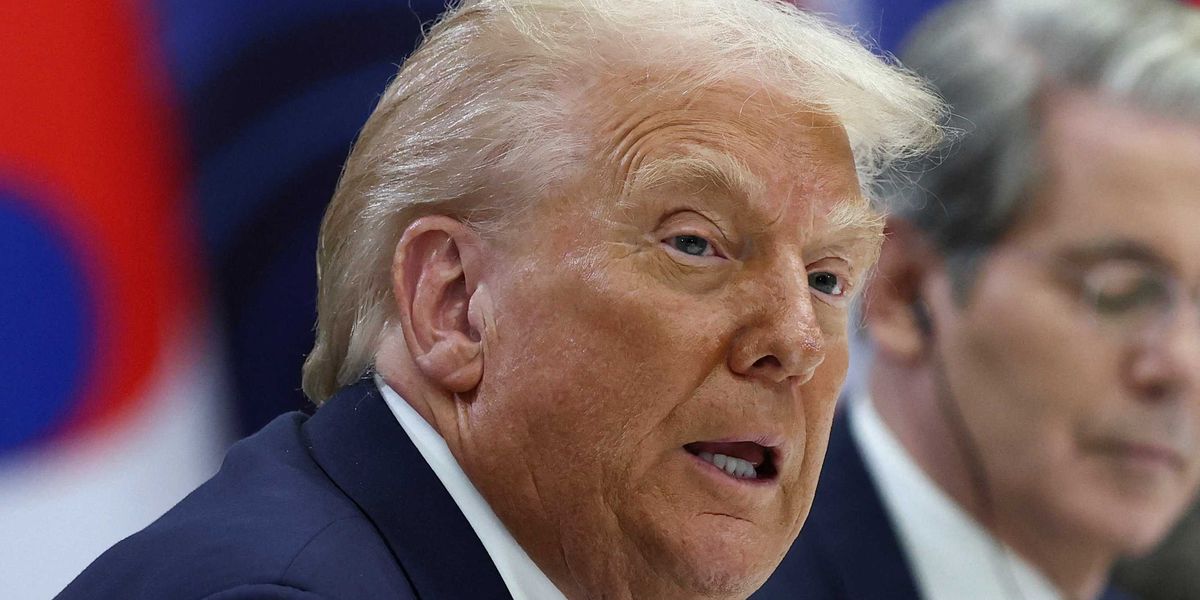
Cover image from rawstory.com, which was analyzed for this article
Trump suffered multiple court losses in a single day, including scrutiny over classified documents and other legal matters as his past actions face renewed accountability.
PoliticalOS
Sunday, May 31, 2026 — Politics
Two narrow court orders and one appeals scheduling decision created fresh procedural hurdles for specific Trump administration actions. The outcomes reopen questions about naming authority, settlement oversight, and document access but leave the underlying legal merits for further litigation.
What outlets missed
The administration's stated reasons for closing the Kennedy Center and the precise terms of the $1.8 billion IRS settlement were absent from coverage. Court dockets contain hearing transcripts that detail the renovation schedule and the settlement's stated purpose. No independent verification of the $1.8 billion figure's allocation or its impact on ongoing prosecutions appears in the available reporting. The Eleventh Circuit's prior 60-day deadline and Judge Cannon's stated rationale for blocking release also received limited procedural context.
Courts Push Back on Trump as Appeals Panel Eyes Cannon's Delays in Classified Documents Fight
A federal appeals court has signaled growing impatience with delays blocking public access to key details in the special counsel's classified documents investigation, while separate rulings delivered fresh setbacks to the Trump administration on two high-profile fronts. The developments come as legal experts point to a pattern of courts rejecting efforts to shield the president from scrutiny.
Former U.S. Attorney Joyce Vance noted that the Eleventh Circuit's order for full briefing by July in the fight over Volume II of Jack Smith's report marks a potential turning point. That volume details the classified materials recovered from Mar-a-Lago. Judge Aileen Cannon, a Trump appointee, has blocked its release since Inauguration Day and resisted intervention requests from groups like American Oversight and the Knight First Amendment Institute. The circuit court had already flagged "undue delay" and set a 60-day deadline for Cannon to rule. After she sided against the media organizations, the appeals panel moved to a full schedule.
Vance linked the case to broader concerns about the Justice Department operating under Trump's direction, arguing that genuine adversarial proceedings are essential for courts to function properly. The Eleventh Circuit's history of correcting Cannon's rulings provides grounds for expecting progress, she wrote.
On the same day, former White House ethics lawyer Norman Eisen and his partners secured victories in unrelated matters. A federal judge halted the administration's plan to close the Kennedy Center for renovations and directed that Trump's name be removed from the building within two weeks, ruling that only Congress holds authority over such changes to a national landmark. Eisen worked with Democracy Defenders Action, the Washington Litigation Group, and Rep. Joyce Beatty on the case.
In Florida, Judge Kathleen Williams reopened a lawsuit challenging an $1.8 billion IRS settlement tied to claims of anti-weaponization efforts. Thirty-five former federal judges, represented by Eisen's team, argued the deal amounted to a fraud on the court by diverting funds to political allies and protecting Trump, his sons, and associated businesses from future accountability. The judge ordered an investigation into whether the court had been misled.
Eisen described the pair of outcomes as a landmark day, part of more than 300 active cases his group is tracking. The rulings underscore judicial resistance to administration moves that test institutional boundaries, even as the classified documents appeals process advances toward potential disclosure.
You just read Progressive's take. Want to read what actually happened?
More in Politics
Trump at 32% Approval as Gas Prices Test GOP Midterm Hopes
NYT/Siena polling showed Trump's approval at historic lows around 32 percent with Democrats leading by double digits in key districts. Early voting has surged in battleground states.

Record Early Voting Hits Battlegrounds, Shifting Partisan Shares
AP analysis found hundreds of thousands more early ballots than in 2022 in states including Texas, Ohio, Kansas, Maine, and North Carolina, shifting partisan dynamics.
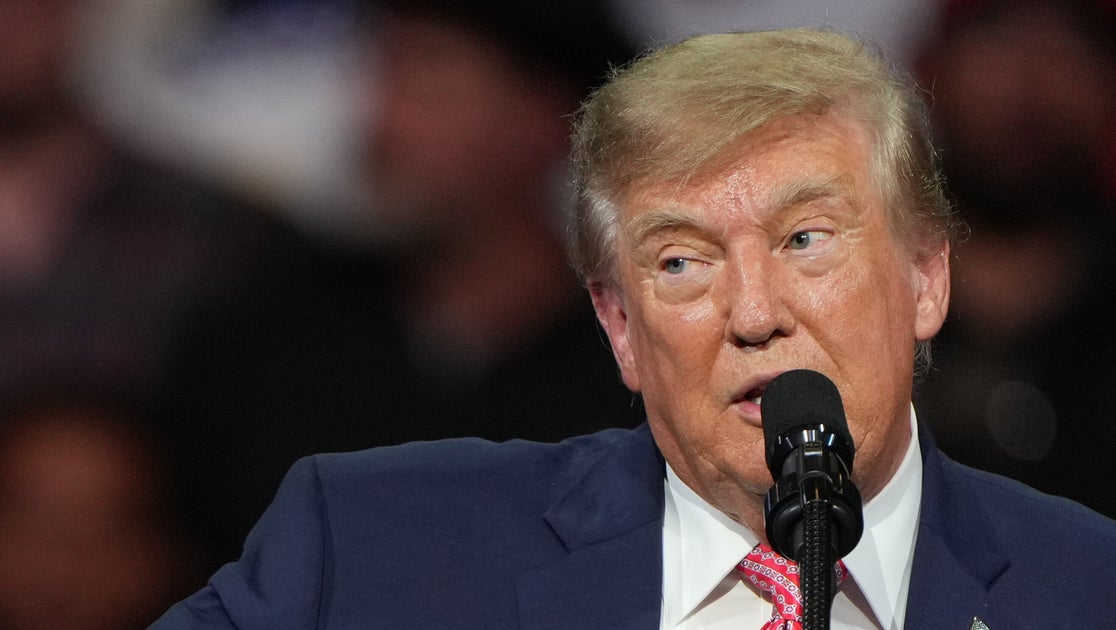
Trump Backs Marshall in Kansas Senate Race Tightened by Farm Costs
President Trump rallied in deep-red Kansas for GOP Sen. Roger Marshall in a competitive race, announcing an $8 billion farm fuel relief program amid high diesel prices. Democrats see an opening to end 94 years of GOP dominance in the state.

Trump Pauses Russia Sanctions Amid Ukraine Tensions and Missile Strikes
Trump waived sanctions on Russia and floated trilateral talks with Putin and Xi as part of ending the Ukraine war, while tensions rose with Zelenskyy over Starlink and arms. Bipartisan senators engaged Zelenskyy amid the shifts.
The Compass
You just read five takes on one story.
What's your take? Find your political shape in a few minutes.
Take the test