
Trump Signals Possible Military Move on Cuba After Castro Indictment
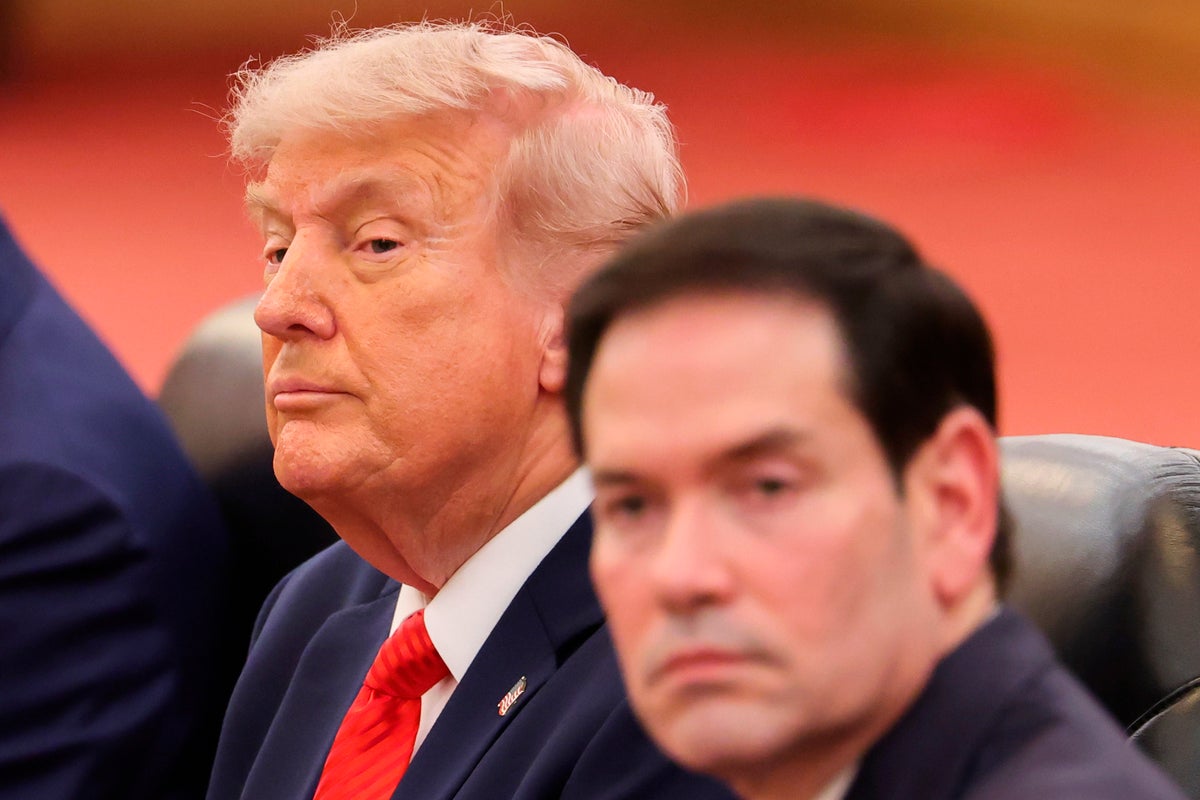
Cover image from independent.co.uk, which was analyzed for this article
President Trump renewed threats of military and economic measures against Cuba while questioning prospects for diplomacy. The moves have drawn international attention and domestic debate.
PoliticalOS
Friday, May 22, 2026 — Politics
The administration has paired an indictment over a 1996 incident with fresh sanctions and visible naval movements while stating a continued preference for negotiation that officials view as unlikely to succeed. Cuba rejects the charges as pretext and warns of bloodshed. The central unresolved question remains whether the current combination of legal, economic, and military signals will produce talks or further confrontation.
What outlets missed
Most coverage gave limited attention to the documented history of the 1996 flights crossing into Cuban airspace on prior occasions, a detail that could not be independently verified across the three outlets but appears in contemporaneous records. Specific activities cited by U.S. officials regarding Cuban intelligence cooperation with Russia and China received only passing reference and were not corroborated by additional reporting in these accounts. Mentions of U.S. offers of humanitarian assistance or economic reform packages, including potential Starlink access discussed in May 2026, were absent from the reviewed articles despite appearing in other contemporaneous dispatches.
Trump Signals End to Decades of Failed US Inaction on Communist Cuba
President Donald Trump has raised the prospect of direct American intervention against Cuba, marking a sharp break from the half-measures and diplomatic posturing that have defined Washington policy toward the island for generations. Speaking in the Oval Office, Trump noted that previous presidents have studied the Cuba problem for fifty or sixty years without resolution, adding that he may be the one to finally act. The remarks follow the administration's decision to file criminal charges against former Cuban leader Raúl Castro and come amid growing concerns over Havana's deepening ties to China and Russia.
Secretary of State Marco Rubio, whose family fled Cuba, reinforced the message during separate comments. He described the Cuban regime as a longstanding national security threat that has grown accustomed to outlasting American pressure. Rubio said the current administration is not interested in repeating that pattern. Cuba has long used delays and empty negotiations to buy time, he noted, but those tactics will no longer work. The United States prefers a peaceful resolution, Rubio added, yet he made clear that diplomacy with the current leadership carries low odds of success.
The shift in tone reflects more than rhetoric. The administration has already moved to indict Castro, a step that underscores the regime's role in supporting adversaries of the United States. Cuban cooperation with Beijing and Moscow has included intelligence sharing and economic arrangements that extend the reach of those powers into the Western Hemisphere. Rubio framed the issue squarely as one of protecting American interests rather than any abstract project of remaking foreign societies. He stressed that the economic system imposed on Cuba has failed its people and cannot be salvaged under the existing political structure.
Trump's willingness to consider stronger measures stands in contrast to the record of earlier administrations. Decades of sanctions, limited engagement, and occasional overtures have produced little lasting change. The regime has survived by exploiting divisions in Washington and counting on eventual fatigue from American policymakers. With Rubio at the State Department, that calculation appears to have changed. The secretary's direct language leaves little room for misinterpretation: Havana can no longer assume it will simply wait out the current pressure.
Questions about possible military options surfaced during Rubio's exchange with reporters. He pointed out that any president retains the authority to take necessary steps to safeguard national security. While he did not outline specific plans, the acknowledgment that force remains available serves as a reminder that the United States possesses multiple tools to address threats close to its shores. The focus, Rubio indicated, stays on ending the conditions that allow Cuba to function as a foothold for rival powers.
The indictment of Raúl Castro adds legal weight to the broader campaign. It highlights the regime's history of repression and its continued alignment against American interests. Combined with reports of fuel restrictions and other economic measures, the actions signal a coordinated effort to increase leverage. Rubio has rejected notions of nation-building, insisting instead that the priority is removing a persistent vulnerability on America's doorstep.
For years, successive administrations treated Cuba as a manageable irritant rather than a strategic problem. That approach allowed the island's leadership to deepen partnerships with America's competitors while maintaining internal control through familiar authoritarian methods. The current stance rejects that tolerance. By stating plainly that the United States is serious and focused, the administration is signaling that the era of indefinite patience has ended. Whether diplomacy yields results or other measures become necessary will depend on Havana's response, but the message from Washington now carries a clarity that has been absent for decades.
You just read America First's take. Want to read what actually happened?
More in Politics

Trump Defends Ramaswamy Ad Using Estranged Mother in Ohio Race
President Trump defended a GOP nominee's ad featuring a Democratic opponent's estranged mother, calling it powerful, while drawing criticism from some Republicans including Ohio Gov. Mike DeWine. The ad has sparked internal GOP tensions ahead of midterms.
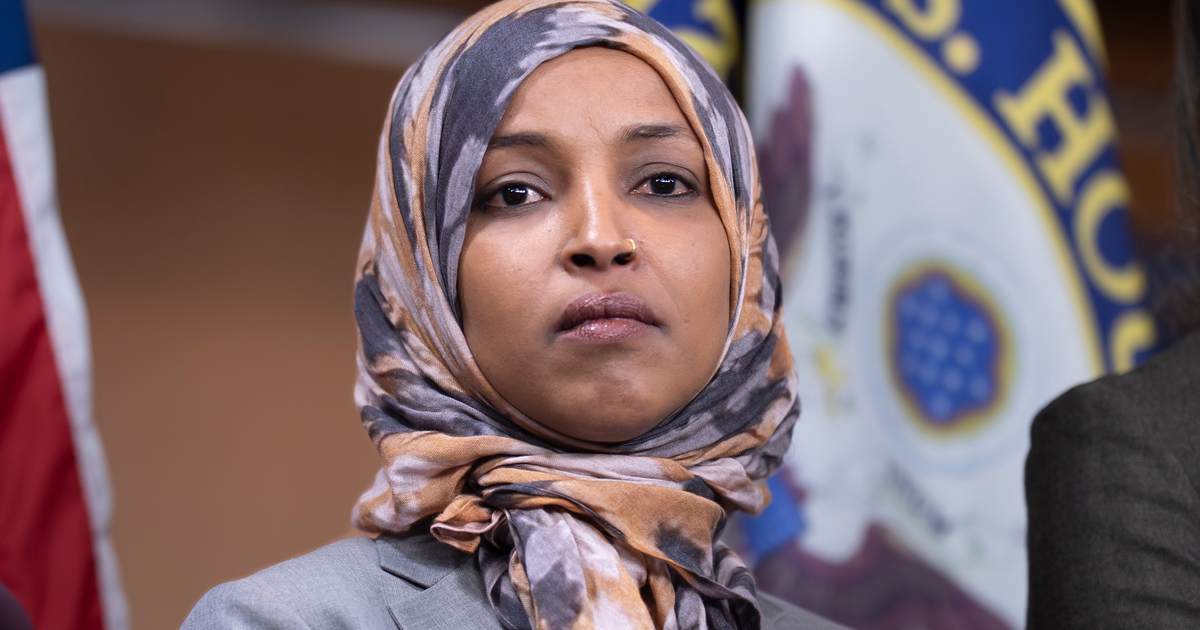
Federal Raid Targets Omar Amid Unresolved Name and Marriage Allegations
Agents searched Rep. Ilhan Omar's DC residence over immigration fraud allegations; she called it bizarre. Reports and commentary questioned her birth name and past marriage details.

Supreme Court Upholds New Hampshire Student ID Voting Ban
The Supreme Court upheld New Hampshire's ban on student IDs as valid voter identification just before midterms, affecting a tight Senate race.
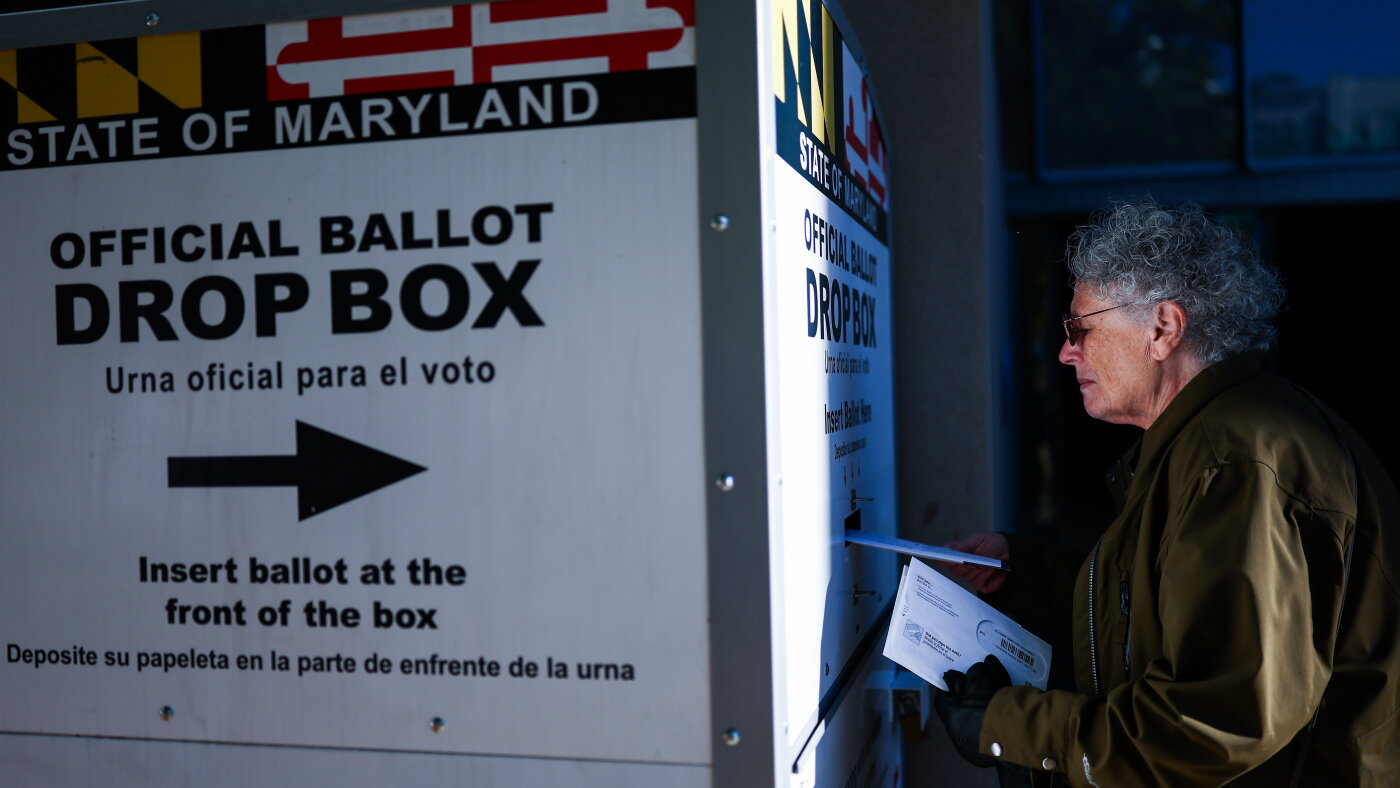
Early Voting Hits 21 Million as Most Trust Midterm Accuracy
Millions have already voted early as parties make final appeals amid $1.4 billion in ad spending; polls show confidence in election accuracy.
The Compass
You just read five takes on one story.
What's your take? Find your political shape in a few minutes.
Take the test