
Trump Signals Possible Military Move on Cuba After Castro Indictment
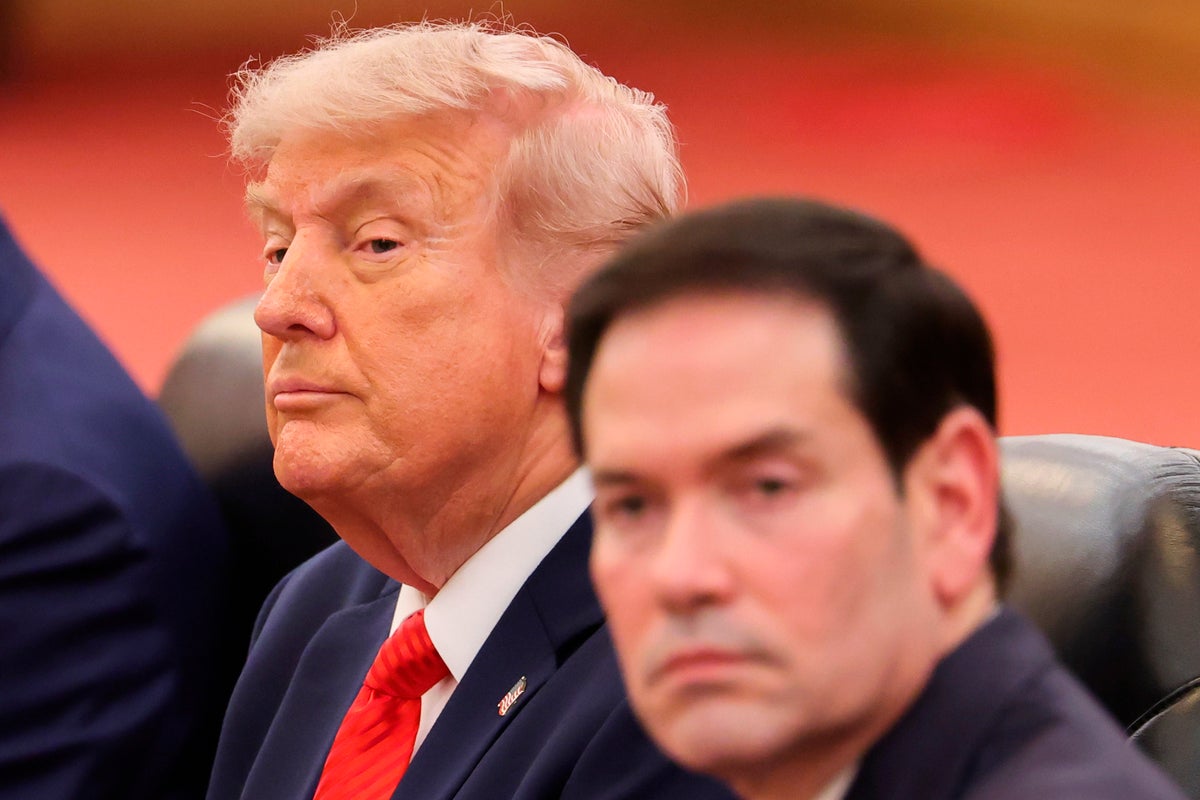
Cover image from independent.co.uk, which was analyzed for this article
President Trump renewed threats of military and economic measures against Cuba while questioning prospects for diplomacy. The moves have drawn international attention and domestic debate.
PoliticalOS
Friday, May 22, 2026 — Politics
The administration has paired an indictment over a 1996 incident with fresh sanctions and visible naval movements while stating a continued preference for negotiation that officials view as unlikely to succeed. Cuba rejects the charges as pretext and warns of bloodshed. The central unresolved question remains whether the current combination of legal, economic, and military signals will produce talks or further confrontation.
What outlets missed
Most coverage gave limited attention to the documented history of the 1996 flights crossing into Cuban airspace on prior occasions, a detail that could not be independently verified across the three outlets but appears in contemporaneous records. Specific activities cited by U.S. officials regarding Cuban intelligence cooperation with Russia and China received only passing reference and were not corroborated by additional reporting in these accounts. Mentions of U.S. offers of humanitarian assistance or economic reform packages, including potential Starlink access discussed in May 2026, were absent from the reviewed articles despite appearing in other contemporaneous dispatches.
Trump Signals Possible Military Move on Cuba as Rubio Pushes Hard Line
President Donald Trump said Thursday that he could become the first U.S. leader in decades to take direct action against Cuba, a remark that followed the administration’s decision to charge former Cuban president Raúl Castro with criminal offenses. The comments came during an Oval Office appearance focused on environmental policy, where Trump noted that earlier presidents had considered similar steps without following through.
Secretary of State Marco Rubio, speaking separately to reporters, described Cuba as an ongoing national security concern because of its relationships with China and Russia. Rubio said the administration still prefers a negotiated outcome but expressed low expectations for diplomacy given the current government in Havana. He warned that Cuban officials have long relied on delaying tactics, adding that this approach would not succeed this time.
The statements mark an escalation in a policy that combines legal pressure, economic restrictions and the visible movement of U.S. forces in the Caribbean. Administration officials have framed the steps as responses to Cuba’s support for U.S. adversaries and its role in regional instability. Rubio, whose parents left Cuba, has long advocated tighter sanctions and has rejected suggestions that the goal is nation-building, insisting instead that the core issue is protecting American interests.
Historical patterns suggest these threats may face familiar obstacles. Successive administrations since the 1960s have tried economic isolation, diplomatic isolation and occasional covert pressure, yet none produced a change of government in Havana. The current approach adds criminal charges against a retired leader and renewed talk of force, but it arrives at a moment when Cuba’s economy is already strained by fuel shortages and limited access to hard currency. Whether additional external pressure accelerates internal change or simply reinforces the government’s narrative of external hostility remains an open question that past episodes have not resolved.
Rubio acknowledged that a peaceful agreement remains the stated preference, yet he described the odds of reaching one as limited. He noted that Cuba’s economic model has failed to deliver broad prosperity and argued that political structures in place make meaningful reform unlikely without external leverage. Critics of the hard-line strategy point out that previous rounds of tightened sanctions produced neither rapid political opening nor improved human-rights conditions, while supporters maintain that only sustained and credible pressure can alter calculations in Havana.
The administration’s public posture also reflects domestic political considerations. Rubio’s prominent role allows the White House to signal resolve to voters who favor a tougher stance toward communist governments. At the same time, the emphasis on national-security framing rather than explicit regime-change rhetoric gives officials room to adjust tactics if direct confrontation proves costly or diplomatically isolating.
Regional actors have watched the developments closely. Latin American governments that maintain ties with Cuba have generally avoided public confrontation, while European partners have urged restraint and continued dialogue. Within the United States, some lawmakers have questioned whether military threats serve U.S. interests when existing sanctions already limit most travel and trade. Others argue that signaling willingness to use force strengthens the administration’s hand in any future talks.
Whether the current mix of indictments, sanctions and rhetorical warnings produces different results than earlier efforts will depend on factors largely outside Washington’s control, including Cuba’s internal economic trajectory and the willingness of third countries to maintain or expand their own engagement. For now, the administration has placed renewed emphasis on the possibility of direct action while leaving the precise next steps undefined.
You just read Liberal's take. Want to read what actually happened?
More in Politics

Trump Defends Ramaswamy Ad Using Estranged Mother in Ohio Race
President Trump defended a GOP nominee's ad featuring a Democratic opponent's estranged mother, calling it powerful, while drawing criticism from some Republicans including Ohio Gov. Mike DeWine. The ad has sparked internal GOP tensions ahead of midterms.
Federal Raid Targets Omar Amid Unresolved Name and Marriage Allegations
Agents searched Rep. Ilhan Omar's DC residence over immigration fraud allegations; she called it bizarre. Reports and commentary questioned her birth name and past marriage details.

Supreme Court Upholds New Hampshire Student ID Voting Ban
The Supreme Court upheld New Hampshire's ban on student IDs as valid voter identification just before midterms, affecting a tight Senate race.
Early Voting Hits 21 Million as Most Trust Midterm Accuracy
Millions have already voted early as parties make final appeals amid $1.4 billion in ad spending; polls show confidence in election accuracy.
The Compass
You just read five takes on one story.
What's your take? Find your political shape in a few minutes.
Take the test