
Trump Signals Possible Military Move on Cuba After Castro Indictment
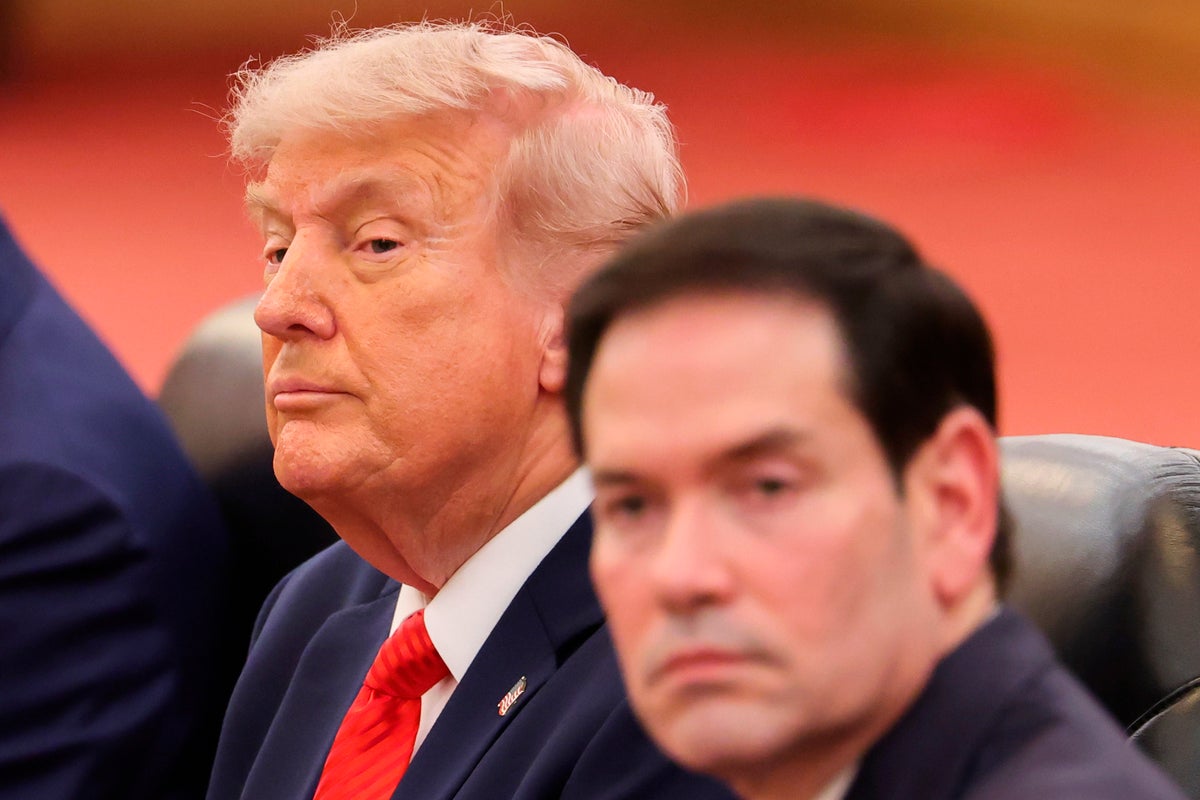
Cover image from independent.co.uk, which was analyzed for this article
President Trump renewed threats of military and economic measures against Cuba while questioning prospects for diplomacy. The moves have drawn international attention and domestic debate.
PoliticalOS
Friday, May 22, 2026 — Politics
The administration has paired an indictment over a 1996 incident with fresh sanctions and visible naval movements while stating a continued preference for negotiation that officials view as unlikely to succeed. Cuba rejects the charges as pretext and warns of bloodshed. The central unresolved question remains whether the current combination of legal, economic, and military signals will produce talks or further confrontation.
What outlets missed
Most coverage gave limited attention to the documented history of the 1996 flights crossing into Cuban airspace on prior occasions, a detail that could not be independently verified across the three outlets but appears in contemporaneous records. Specific activities cited by U.S. officials regarding Cuban intelligence cooperation with Russia and China received only passing reference and were not corroborated by additional reporting in these accounts. Mentions of U.S. offers of humanitarian assistance or economic reform packages, including potential Starlink access discussed in May 2026, were absent from the reviewed articles despite appearing in other contemporaneous dispatches.
Trump and Rubio Float Military Strikes on Cuba in Sharp Policy Shift
President Donald Trump and Secretary of State Marco Rubio have escalated long-standing US pressure on Cuba with fresh warnings that military action remains on the table, just a day after federal prosecutors announced criminal charges against former Cuban leader Raúl Castro. The remarks, delivered separately on Thursday, mark the latest move in an administration campaign that combines legal pressure, economic restrictions and explicit reminders of American military reach.
Speaking to reporters in the Oval Office during an event on environmental policy, Trump suggested he could be the president to break with decades of restrained US responses to Havana. “Other presidents have looked at this for 50, 60 years, doing something,” he said. “It looks like I’ll be the one that does it. So, I would be happy to do it.” The comments followed an indictment unsealed the previous day that accuses Castro of narcotics trafficking and other offenses tied to Cuba’s alleged cooperation with foreign adversaries.
Rubio, whose parents left Cuba before the 1959 revolution, echoed the tougher tone in separate remarks. The secretary described Cuba as a persistent national security concern because of its expanding military and intelligence ties with Russia and China. He said the administration still prefers a negotiated outcome but sees little chance of success given the current Cuban leadership. “Cuba has gotten used to buying time and waiting us out,” Rubio told reporters. “They’re not going to be able to wait us out this time. We’re very serious.”
When asked directly whether force could be used to change Cuba’s government, Rubio avoided ruling it out. He noted that Trump retains “the option to do whatever it takes to protect the national interest.” Administration officials have also pointed to a recent buildup of US naval and air assets in the Caribbean as evidence that planning is underway should diplomatic channels collapse.
The renewed threats arrive against a backdrop of deepening economic hardship inside Cuba. A US fuel embargo and tightened sanctions have contributed to widespread shortages and rolling blackouts, conditions that opposition groups on the island say have fueled sporadic protests. Cuban officials have denounced the new charges against Castro as politically motivated and warned that any military move would be met with determined resistance.
Analysts note that direct US military intervention in Cuba has been considered and rejected by multiple administrations since the 1962 missile crisis, largely because of the risks of casualties, regional instability and international condemnation. Rubio has sought to frame the current approach as a matter of security rather than regime change for its own sake, arguing that Cuba’s alliances with US rivals justify stronger measures.
Still, the public discussion of force represents a departure from earlier signals that the White House was focused on quiet diplomacy. Rubio acknowledged that talks had produced little progress in recent months and that Havana’s political system is unlikely to reform under external economic pressure alone. “Their economic system doesn’t work,” he said. “It’s broken, and you can’t fix it with the current political system that’s in place.”
For now, the administration appears content to keep both legal and military options visible. The Castro indictment, combined with Rubio’s pointed refusal to take force off the table, sends a clear message to allies and adversaries alike that Washington’s posture toward Havana has hardened. Whether that combination produces concessions from Cuba or simply deepens the island’s isolation remains to be seen.
You just read Progressive's take. Want to read what actually happened?
More in Politics

Trump at 32% Approval as Gas Prices Test GOP Midterm Hopes
NYT/Siena polling showed Trump's approval at historic lows around 32 percent with Democrats leading by double digits in key districts. Early voting has surged in battleground states.

Record Early Voting Hits Battlegrounds, Shifting Partisan Shares
AP analysis found hundreds of thousands more early ballots than in 2022 in states including Texas, Ohio, Kansas, Maine, and North Carolina, shifting partisan dynamics.

Trump Backs Marshall in Kansas Senate Race Tightened by Farm Costs
President Trump rallied in deep-red Kansas for GOP Sen. Roger Marshall in a competitive race, announcing an $8 billion farm fuel relief program amid high diesel prices. Democrats see an opening to end 94 years of GOP dominance in the state.

Trump Pauses Russia Sanctions Amid Ukraine Tensions and Missile Strikes
Trump waived sanctions on Russia and floated trilateral talks with Putin and Xi as part of ending the Ukraine war, while tensions rose with Zelenskyy over Starlink and arms. Bipartisan senators engaged Zelenskyy amid the shifts.
The Compass
You just read five takes on one story.
What's your take? Find your political shape in a few minutes.
Take the test