
Deportation Push Doubles Immigration Court Dockets, Straining System

Cover image from theguardian.com, which was analyzed for this article
The administration's deportation focus is overwhelming immigration courts, while related stories highlight family separations and enforcement funding debates.
PoliticalOS
Saturday, June 6, 2026 — Politics
The administration’s deportation acceleration has produced measurable increases in daily immigration court volume and documented family separations. Readers should weigh the documented docket changes against the absence of reversal-rate data and the pre-existing backlog growth when assessing claims of efficiency or due-process harm.
What outlets missed
Neither account supplied the pre-2025 trajectory of the immigration court backlog, which rose from roughly 1.3 million cases in early 2024 to more than 3 million by 2026 according to TRAC Immigration and EOIR data. The statutory predicate for removal under INA § 212 after an immigration judge’s order received no direct citation in either piece. Aggregate figures on monthly deportation rates of parents and the specific humanitarian relief program invoked in the Maryland case were mentioned by only one outlet and left unexamined for eligibility criteria or denial patterns.
Deportation Cases Surge in Immigration Courts Under Policy Push
A Maryland teenager received his high school diploma last month without his father present after Immigration and Customs Enforcement removed the parent to El Salvador earlier this year. The case illustrates the personal costs that follow when long-term residents face removal proceedings, even as federal efforts to clear immigration backlogs produce larger court dockets nationwide.
Mark, 17, attended Seneca Valley High School and maintained strong grades until his father Marco's arrest in December. Marco had lived in the United States for nearly four decades and operated a contracting business. Authorities deported him in March following standard enforcement procedures. Mark described the final semester as difficult, marked by reluctance to attend classes and emotional strain during the graduation ceremony at the University of Maryland, Baltimore County. His mother noted relief that the family had reached the milestone despite the absence.
Such outcomes stem directly from violations of immigration statutes that apply regardless of duration of residence or family ties. Enforcement actions prioritize legal status over accumulated time in the country, a principle that has governed removals for decades. Families in similar situations often encounter these consequences after initial entries without authorization or subsequent overstays.
Broader data from immigration courts show the effects of recent administrative changes aimed at accelerating case resolutions. The Trump administration directed judges to add dozens of matters to daily schedules without prior public notice. In locations including Annandale and Sterling, Virginia, individual dockets more than doubled, with some judges handling up to 100 matters in a single session. Chicago courts reported comparable increases, including proceedings involving unaccompanied minors and family units.
Court observers noted packed hallways and grouped hearings that processed multiple respondents at once. Lawyers raised concerns that compressed timelines could lead to procedural oversights. Officials involved in the surge described the measures as necessary to address accumulated backlogs that had grown under prior administrations. Historical patterns indicate that delayed adjudications often extend unlawful presence and complicate eventual removals.
The father's case followed typical pathways for individuals encountered during routine enforcement. Records indicate Marco entered or remained without legal permission, a status that federal statutes treat as grounds for deportation irrespective of community contributions or duration of stay. Long residence does not confer immunity under current law, which focuses on entry and maintenance of status rather than subsequent economic activity.
Critics of expanded enforcement argue that rapid processing risks errors in complex claims such as asylum applications. Proponents counter that prolonged dockets encourage repeated filings and appeals that strain resources without resolving underlying violations. Data from prior surges show mixed results, with some courts clearing portions of inventories while others experienced appeals spikes.
Mark's experience reflects the downstream effects on U.S.-citizen or legal-resident family members when a parent is removed. Schools and communities sometimes provide support services, yet academic performance can decline amid household disruption. Policy frameworks that emphasize consistent application of entry rules aim to reduce such incidents by deterring future unlawful entries. Enforcement statistics indicate removals target individuals with final orders after opportunities for hearings.
Immigration courts continue to manage elevated volumes as the administration maintains pressure for faster throughput. Outcomes depend on individual case merits, available evidence, and judicial capacity rather than external narratives of selective hardship. The system processes claims under statutes that balance humanitarian provisions with requirements for lawful presence.
You just read Conservative's take. Want to read what actually happened?
More in Politics
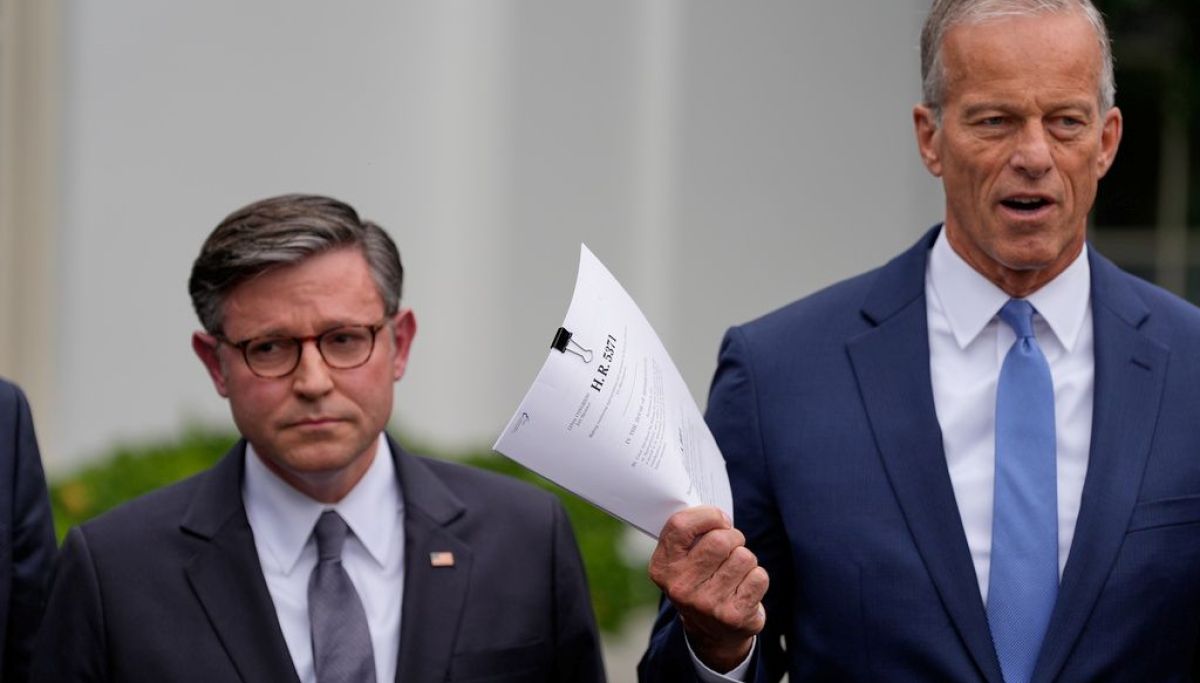
Trump at 32% Approval as Gas Prices Test GOP Midterm Hopes
NYT/Siena polling showed Trump's approval at historic lows around 32 percent with Democrats leading by double digits in key districts. Early voting has surged in battleground states.

Record Early Voting Hits Battlegrounds, Shifting Partisan Shares
AP analysis found hundreds of thousands more early ballots than in 2022 in states including Texas, Ohio, Kansas, Maine, and North Carolina, shifting partisan dynamics.
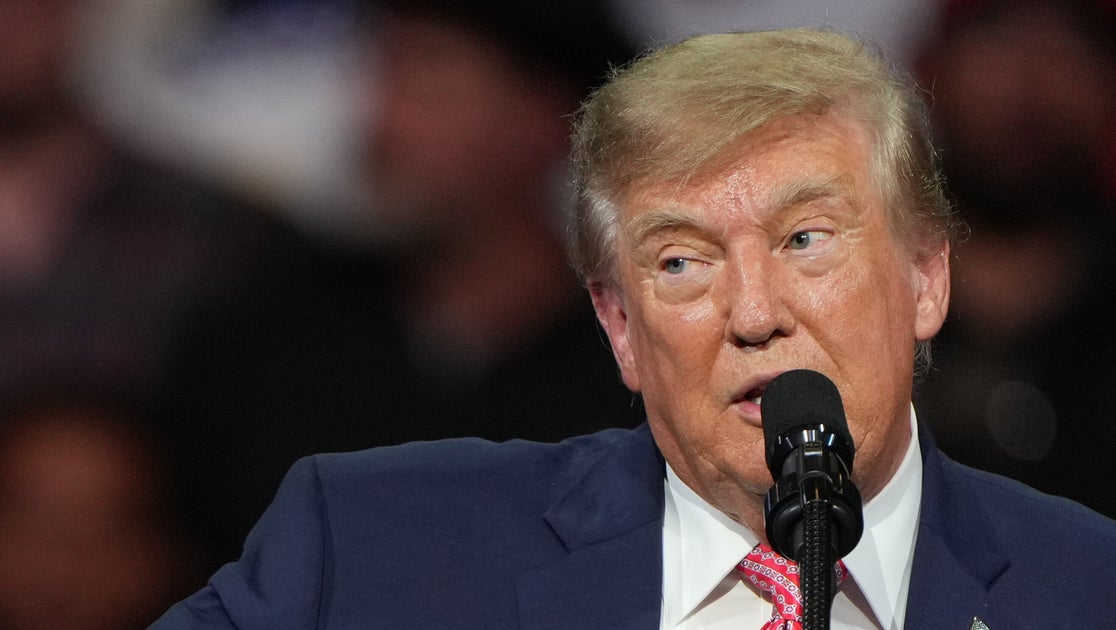
Trump Backs Marshall in Kansas Senate Race Tightened by Farm Costs
President Trump rallied in deep-red Kansas for GOP Sen. Roger Marshall in a competitive race, announcing an $8 billion farm fuel relief program amid high diesel prices. Democrats see an opening to end 94 years of GOP dominance in the state.

Trump Pauses Russia Sanctions Amid Ukraine Tensions and Missile Strikes
Trump waived sanctions on Russia and floated trilateral talks with Putin and Xi as part of ending the Ukraine war, while tensions rose with Zelenskyy over Starlink and arms. Bipartisan senators engaged Zelenskyy amid the shifts.
The Compass
You just read five takes on one story.
What's your take? Find your political shape in a few minutes.
Take the test