
Deportation Push Doubles Immigration Court Dockets, Straining System

Cover image from theguardian.com, which was analyzed for this article
The administration's deportation focus is overwhelming immigration courts, while related stories highlight family separations and enforcement funding debates.
PoliticalOS
Saturday, June 6, 2026 — Politics
The administration’s deportation acceleration has produced measurable increases in daily immigration court volume and documented family separations. Readers should weigh the documented docket changes against the absence of reversal-rate data and the pre-existing backlog growth when assessing claims of efficiency or due-process harm.
What outlets missed
Neither account supplied the pre-2025 trajectory of the immigration court backlog, which rose from roughly 1.3 million cases in early 2024 to more than 3 million by 2026 according to TRAC Immigration and EOIR data. The statutory predicate for removal under INA § 212 after an immigration judge’s order received no direct citation in either piece. Aggregate figures on monthly deportation rates of parents and the specific humanitarian relief program invoked in the Maryland case were mentioned by only one outlet and left unexamined for eligibility criteria or denial patterns.
ICE Deportation Leaves Maryland Teen to Graduate High School Without His Father
Mark stood on the stage at the University of Maryland Baltimore County last week clutching his high school diploma while his father watched from thousands of miles away. The 17-year-old from Maryland had spent senior year unraveling after Immigration and Customs Enforcement agents arrested his dad Marco just before Christmas and sent him back to El Salvador in March.
Marco had lived in the United States for nearly four decades and built a contracting business. None of that stopped the deportation. Mark spent months skipping classes and withdrawing from friends. On graduation day he described the moment he received his diploma as walking out of a nightmare. His mother Rosie told him afterward that they had finally made it through.
The same federal push that removed Marco has flooded immigration courts nationwide. Under the Trump administration officials have quietly added dozens of extra cases to judges dockets without public notice. In courthouses from Annandale and Sterling Virginia to downtown Chicago dockets have more than doubled some days with judges facing as many as one hundred hearings. Families and unaccompanied minors now spill into hallways waiting for proceedings that lawyers say are being rushed through in groups.
Court observers report long lines and packed waiting areas where cases involving asylum claims and other defenses move faster than before. Immigration attorneys warn that the surge is producing errors and confusion that threaten due process. Some judges who previously handled manageable calendars now confront triple the volume leaving little time for individual review.
Mark once took advanced placement classes and maintained a close circle of friends. After his father was taken the routine collapsed. School became a place he dreaded even after accepting what had happened. The deportation severed daily support that had anchored his life. His story reflects a pattern repeated across mixed-status households where long-term residents face sudden removal while children remain behind to finish school or work.
The fast-tracking tactic aims to accelerate deportations yet it lands hardest on families already navigating the system. In Mark case the absence at graduation was not abstract policy but a direct result of enforcement priorities that treat decades of residence as irrelevant. Broader court backlogs compound the strain as rushed hearings leave little room for evidence that could alter outcomes.
For Mark the diploma arrived with relief rather than celebration. His father missed the milestone that once seemed certain. Across immigration courts the same enforcement surge that separated them continues to pile cases onto overwhelmed judges raising questions about fairness in proceedings that decide whether other families stay intact.
You just read Progressive's take. Want to read what actually happened?
More in Politics

Trump Defends Ramaswamy Ad Using Estranged Mother in Ohio Race
President Trump defended a GOP nominee's ad featuring a Democratic opponent's estranged mother, calling it powerful, while drawing criticism from some Republicans including Ohio Gov. Mike DeWine. The ad has sparked internal GOP tensions ahead of midterms.

Federal Raid Targets Omar Amid Unresolved Name and Marriage Allegations
Agents searched Rep. Ilhan Omar's DC residence over immigration fraud allegations; she called it bizarre. Reports and commentary questioned her birth name and past marriage details.

Supreme Court Upholds New Hampshire Student ID Voting Ban
The Supreme Court upheld New Hampshire's ban on student IDs as valid voter identification just before midterms, affecting a tight Senate race.
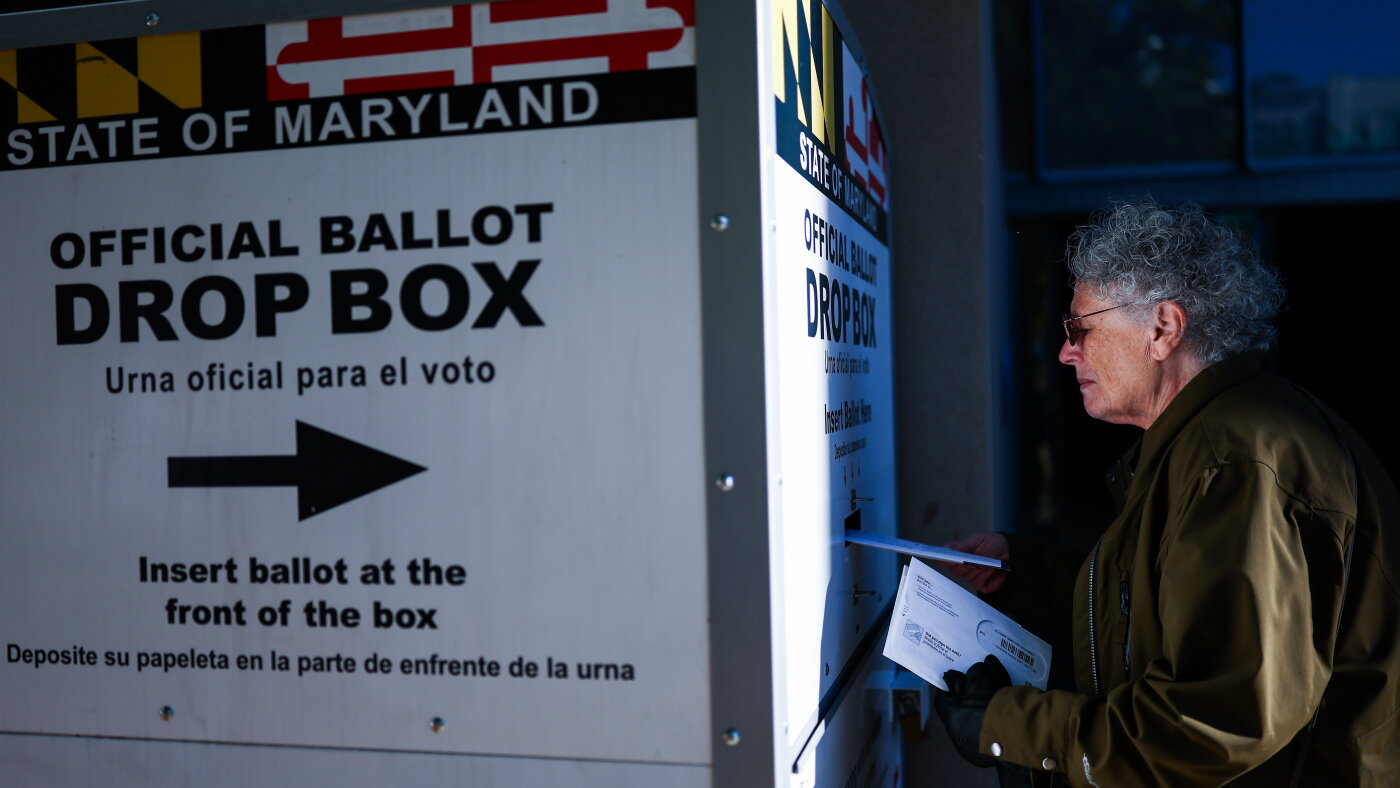
Early Voting Hits 21 Million as Most Trust Midterm Accuracy
Millions have already voted early as parties make final appeals amid $1.4 billion in ad spending; polls show confidence in election accuracy.
The Compass
You just read five takes on one story.
What's your take? Find your political shape in a few minutes.
Take the test