
DOJ Files to Denaturalize 12 Over Alleged Fraud, Terror Ties
Cover image from cbsnews.com, which was analyzed for this article
The Justice Department under Trump is targeting naturalized citizens for denaturalization, focusing on those with alleged terror ties or fraud, including a dozen cases. This escalates immigration enforcement amid broader crackdowns. Supporters praise protecting national security, opponents decry targeting immigrants.
PoliticalOS
Friday, May 8, 2026 — Politics
The Justice Department is actively pursuing denaturalization against a small group of naturalized citizens accused of deliberately concealing terrorism ties, war crimes or sexual abuse during their applications, as part of a larger review that could reach hundreds of cases. The tool remains legally difficult, requiring clear and convincing evidence of material fraud, and has been used sparingly by multiple administrations. The central unresolved question is whether this returns integrity to the system or undermines the security that naturalized citizens have long relied upon.
What outlets missed
Most coverage omitted that the 12 public cases represent only initial filings from a documented April 2026 DOJ directive assigning nearly 400 potential denaturalizations across 39 U.S. Attorney offices, a procedural shift that reframes the story from isolated actions to systematic review. Outlets gave limited attention to the precise legal standard: the government must prove with clear and convincing evidence that the concealed information was material, meaning citizenship would not have been granted had it been known. Few explored logistical realities, including chronic staffing shortages in the Civil Division, judicial skepticism toward expansive use, and the fact that many referenced cases rely on allegations or convictions from a decade or more ago rather than fresh discoveries. Past administrations, including Obama-era efforts that improved fraud detection through better data sharing, received almost no mention, erasing continuity in enforcement.
Trump DOJ Launches Crackdown on Naturalized Citizens Who Hid Terror Ties and Heinous Crimes
The Trump administration's Justice Department is moving aggressively to strip U.S. citizenship from a dozen naturalized Americans who prosecutors say lied their way into the country while concealing ties to terrorism, war crimes, sexual abuse of minors, and other serious offenses. The cases, filed in federal courts across the country this week, include a former U.S. ambassador who spent years inside the American foreign policy apparatus while secretly working for a hostile regime.
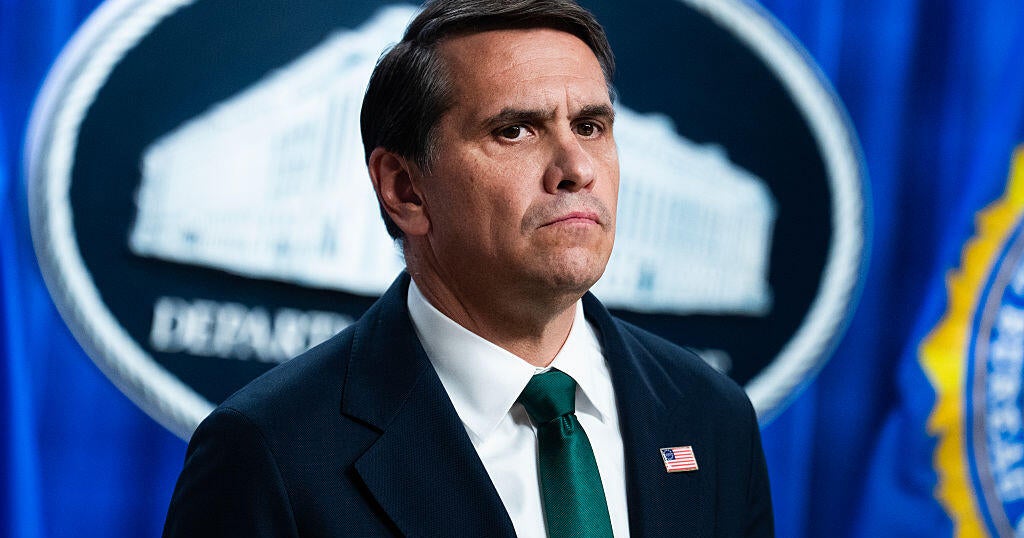
Acting Attorney General Todd Blanche framed the action as a long-overdue correction to a broken system. "The Trump administration is taking action to correct these egregious violations of our immigration system," Blanche said. "Those who intentionally concealed their criminal histories or misrepresented themselves during the naturalization process will face the fullest extent of the law." He added that the weaponization of federal power seen under the previous administration will not continue as the current team restores integrity to immigration enforcement.
The most striking case involves Victor Manuel Rocha, a Colombian-born former U.S. ambassador to Bolivia and one-time National Security Council official. Rocha is already serving a 15-year federal prison sentence after being convicted in 2024 of spying for the Cuban government over decades. According to the Justice Department, he rose through the ranks of American diplomacy while concealing his true allegiances. The fact that someone with that level of access to sensitive information could obtain citizenship and a high-level security clearance raises serious questions about how many others slipped through the same vetting failures.
The other targets include five people from Africa, three from Asia, and two from South America. One Iraqi national, Ali Yousif Ahmed, became a citizen after claiming he fled to the United States in 2009 because al-Qaeda had attacked his family. Federal authorities now say that was a cover story. Iraq had sought his extradition years ago for allegedly serving as an al-Qaeda leader and murdering two Iraqi police officers. He allegedly omitted all of that from his naturalization application.
The sweep also targets individuals accused of providing material support to terrorists, committing war crimes, and engaging in the sexual abuse of minors. These are not technical violations. They represent people who swore an oath to the United States while hiding allegiances and histories that should have disqualified them outright.
Denaturalization has historically been rare for a reason. Government data shows the United States opened an average of just 11 such cases per year between 1990 and 2017. The process is lengthy, expensive, and requires proving that citizenship was obtained through fraud or willful misrepresentation. Previous administrations treated it as an afterthought. The Trump Justice Department is treating it as a priority. Officials received orders last summer to expand the effort, and the Department of Homeland Security has been directed to refer hundreds of additional cases per month.
The timing matters. This comes after years of record illegal immigration, widespread reports of vetting breakdowns at the border, and growing public frustration over a system that seemed to value newcomers more than the citizens already here. When people who lied about terrorist affiliations or who committed atrocities abroad can still claim the full protections of American citizenship, it cheapens what it means to be an American. It also puts real citizens at risk.
Critics will likely call this cruel or unnecessary, the usual rhetoric deployed whenever anyone suggests that citizenship should mean something. Yet the cases themselves answer that objection. These are not hardworking immigrants who made minor paperwork errors. These are individuals who allegedly concealed their roles in violence, espionage, and exploitation. The government has an obligation to protect the value of American citizenship from those who treat it as a shield against accountability.
The Justice Department has signaled that Friday's actions are only the beginning. More complaints and charges are expected as the department works through a backlog that previous leadership allowed to accumulate. For millions of Americans who have watched their communities strained by unchecked migration and who wonder why the rules never seem to apply equally, this represents a basic restoration of order. Citizenship is not a participation trophy. It is a solemn bond. When that bond is obtained through deception, especially deception involving terrorism or loyalty to foreign adversaries, it can and should be revoked.
The Rocha case in particular should alarm anyone who cares about national security. A man who represented the United States abroad while feeding information to Cuba's intelligence services should never have been allowed to naturalize in the first place. That he did so exposes deep flaws in the system that admitted him, promoted him, and trusted him with classified information. The current administration's willingness to revisit these grants of citizenship is not an attack on immigrants. It is a defense of the country that was deceived.
You just read America First's take. Want to read what actually happened?
More in Politics

Trump Defends Ramaswamy Ad Using Estranged Mother in Ohio Race
President Trump defended a GOP nominee's ad featuring a Democratic opponent's estranged mother, calling it powerful, while drawing criticism from some Republicans including Ohio Gov. Mike DeWine. The ad has sparked internal GOP tensions ahead of midterms.
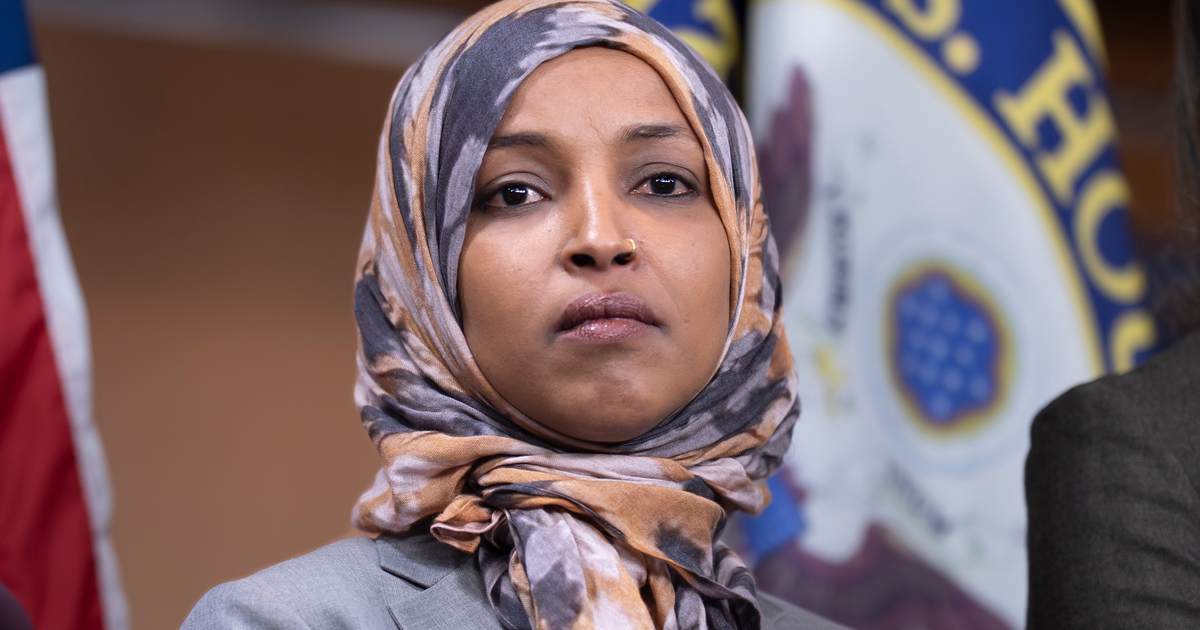
Federal Raid Targets Omar Amid Unresolved Name and Marriage Allegations
Agents searched Rep. Ilhan Omar's DC residence over immigration fraud allegations; she called it bizarre. Reports and commentary questioned her birth name and past marriage details.

Supreme Court Upholds New Hampshire Student ID Voting Ban
The Supreme Court upheld New Hampshire's ban on student IDs as valid voter identification just before midterms, affecting a tight Senate race.
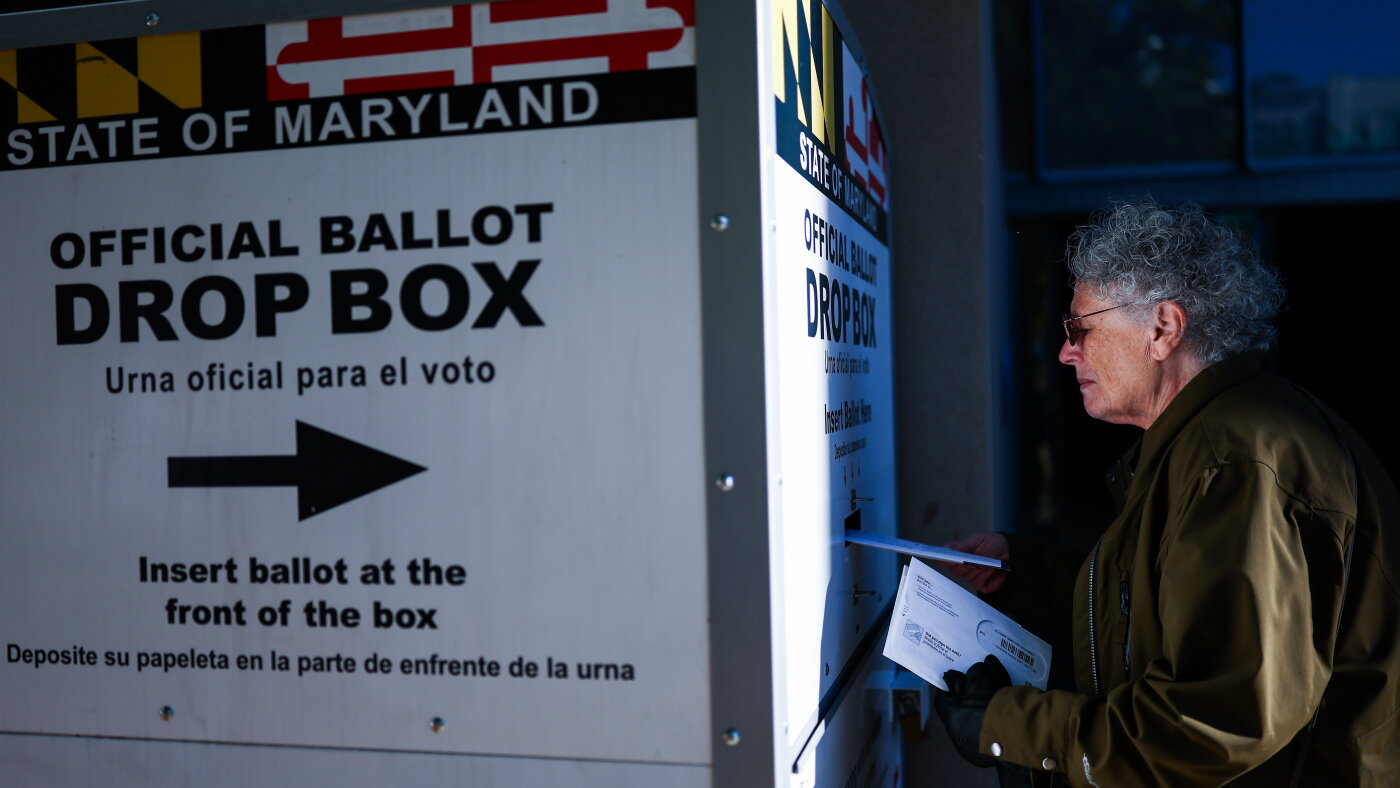
Early Voting Hits 21 Million as Most Trust Midterm Accuracy
Millions have already voted early as parties make final appeals amid $1.4 billion in ad spending; polls show confidence in election accuracy.
The Compass
You just read five takes on one story.
What's your take? Find your political shape in a few minutes.
Take the test