
DOJ Files to Denaturalize 12 Over Alleged Fraud, Terror Ties
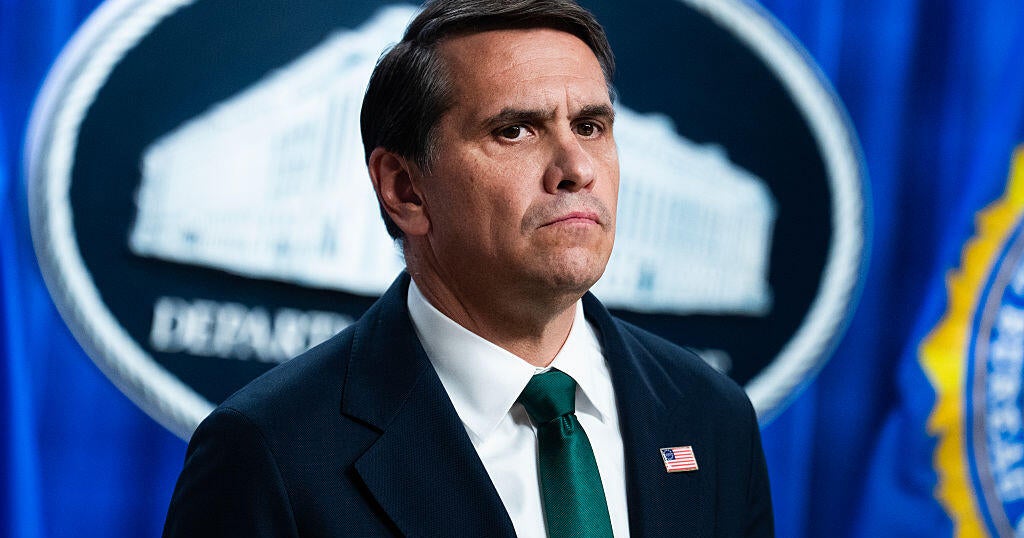
Cover image from cbsnews.com, which was analyzed for this article
The Justice Department under Trump is targeting naturalized citizens for denaturalization, focusing on those with alleged terror ties or fraud, including a dozen cases. This escalates immigration enforcement amid broader crackdowns. Supporters praise protecting national security, opponents decry targeting immigrants.
PoliticalOS
Friday, May 8, 2026 — Politics
The Justice Department is actively pursuing denaturalization against a small group of naturalized citizens accused of deliberately concealing terrorism ties, war crimes or sexual abuse during their applications, as part of a larger review that could reach hundreds of cases. The tool remains legally difficult, requiring clear and convincing evidence of material fraud, and has been used sparingly by multiple administrations. The central unresolved question is whether this returns integrity to the system or undermines the security that naturalized citizens have long relied upon.
What outlets missed
Most coverage omitted that the 12 public cases represent only initial filings from a documented April 2026 DOJ directive assigning nearly 400 potential denaturalizations across 39 U.S. Attorney offices, a procedural shift that reframes the story from isolated actions to systematic review. Outlets gave limited attention to the precise legal standard: the government must prove with clear and convincing evidence that the concealed information was material, meaning citizenship would not have been granted had it been known. Few explored logistical realities, including chronic staffing shortages in the Civil Division, judicial skepticism toward expansive use, and the fact that many referenced cases rely on allegations or convictions from a decade or more ago rather than fresh discoveries. Past administrations, including Obama-era efforts that improved fraud detection through better data sharing, received almost no mention, erasing continuity in enforcement.
Trump Administration Accelerates Denaturalization Drive Against Naturalized Citizens
The Trump administration is dramatically expanding its use of denaturalization, a rarely invoked legal process to strip U.S. citizenship from naturalized Americans, by targeting a dozen individuals accused of concealing serious crimes including terrorism ties, war crimes and sexual abuse of minors. The Justice Department filed cases this week against the group, which includes a former U.S. ambassador now imprisoned for spying on behalf of Cuba, signaling a sharp break from decades of restrained use of the tool and raising concerns about the scale and potential sweep of the crackdown.
Acting Attorney General Todd Blanche hailed the move in statements to multiple outlets as a restoration of integrity to the immigration system. Those who lied during naturalization about their pasts will face the fullest extent of the law, he said, adding that the weaponization seen under the Biden administration would not be repeated. The announcement on Friday follows internal memos directing the Department of Homeland Security to refer as many as 200 potential denaturalization cases per month and instructing Justice Department offices to prepare for nearly 400 cases in an initial wave.
Among those targeted is Victor Manuel Rocha, a Colombian-born former U.S. ambassador to Bolivia who has been serving a 15-year federal prison sentence since 2024 after pleading guilty to acting as an agent of the Cuban government for decades. Prosecutors allege Rocha concealed his espionage activities during the naturalization process. The other cases involve individuals from Africa, Asia and South America, including one Iraqi man, Ali Yousif Ahmed, who became a citizen after claiming he fled persecution by al-Qaeda in 2009. Authorities now say he omitted his role as an al-Qaeda leader allegedly responsible for murdering two Iraqi police officers, for which Iraq sought his extradition in 2019.
The cases span ages from 26 to 75 and include accusations of providing material support to terrorists, committing war crimes and other offenses that prosecutors say disqualified the individuals from citizenship had the full truth been known. One case involves allegations tied to sexual abuse of a minor. Federal officials argue these people obtained citizenship through fraud or by hiding allegiances that emerged or were discovered after naturalization.
Such actions have historically been exceedingly rare. Government data shows the United States filed an average of just 11 denaturalization cases per year between 1990 and 2017, totaling a little over 300 in that period. The process is lengthy, complex and resource-intensive, reflecting the gravity of revoking the citizenship of someone who has sworn an oath to the United States. Citizenship, once granted, has long been treated as a near-sacred status in American law and tradition, not easily undone even for those who later run afoul of the justice system.
The Trump administration has made clear it views denaturalization as a central component of its broader immigration enforcement agenda. Officials have framed the push as essential to removing those who allegedly gamed the system, particularly individuals with links to terrorism or violent crimes. Yet the leap from an average of roughly one case per month historically to plans for hundreds carries significant implications for naturalized communities, many of whom fled persecution, violence or authoritarian regimes only to face questions about the validity of their hard-won American status years or decades later.
Critics of aggressive denaturalization campaigns have long warned that such efforts can chill legitimate immigration, strain judicial resources and risk erroneous targeting of people whose alleged offenses may be subject to dispute or exaggeration. While the current batch of cases appears to involve individuals with genuinely troubling accusations, including active espionage and leadership roles in designated terrorist organizations, the administration's public rhetoric and internal directives suggest a wider net. References to cracking down on fraud and restoring prosecutorial integrity come against the backdrop of a political environment in which immigration itself is often cast as inherently suspect.
The timing is notable. The announcements arrive as the administration continues to prioritize mass deportation operations and other hardline measures. By highlighting cases involving al-Qaeda ties, Cuban espionage and sexual crimes, officials are clearly aiming to build public support for an expansion that could eventually reach far beyond these dozen people. The inclusion of a former ambassador who rose through the ranks of the State Department and National Security Council only to be unmasked as a long-term foreign agent adds a layer of embarrassment for the U.S. government and underscores how difficult it can be to detect deception during the naturalization vetting process.
Still, the rarity of denaturalization in prior eras was not an accident. It reflected both practical difficulties and a philosophical recognition that once someone becomes an American citizen, the government bears a heavy burden to prove they should lose that status. Revoking citizenship effectively renders someone stateless or subject to deportation proceedings, a severe penalty even for serious offenders who have already been convicted and imprisoned through the criminal justice system.
Legal experts following the cases expect the proceedings to be protracted, with the targeted individuals entitled to full due process in federal court. Some may challenge the government's evidence or argue that the alleged misrepresentations were not material to their naturalization. Others may accept the consequences to avoid further criminal exposure. What remains unclear is how aggressively the administration will pursue similar actions against less high-profile cases once the initial headlines fade.
For now, the Justice Department has made its intentions plain. By moving simultaneously on 12 cases across multiple federal districts, it is sending a message that naturalized citizenship is revocable and that past leniency will not continue. Whether this represents a necessary correction to genuine security vulnerabilities or the opening salvo of a far-reaching purge of naturalized Americans will likely be determined in the months and years of litigation ahead. The individuals targeted range from former diplomats to refugees who arrived decades ago. Their fates will test the limits of how far a government can go in revisiting the promise it once made to welcome people as full citizens.
You just read Progressive's take. Want to read what actually happened?
More in Politics
Trump at 32% Approval as Gas Prices Test GOP Midterm Hopes
NYT/Siena polling showed Trump's approval at historic lows around 32 percent with Democrats leading by double digits in key districts. Early voting has surged in battleground states.

Record Early Voting Hits Battlegrounds, Shifting Partisan Shares
AP analysis found hundreds of thousands more early ballots than in 2022 in states including Texas, Ohio, Kansas, Maine, and North Carolina, shifting partisan dynamics.
Trump Backs Marshall in Kansas Senate Race Tightened by Farm Costs
President Trump rallied in deep-red Kansas for GOP Sen. Roger Marshall in a competitive race, announcing an $8 billion farm fuel relief program amid high diesel prices. Democrats see an opening to end 94 years of GOP dominance in the state.

Trump Pauses Russia Sanctions Amid Ukraine Tensions and Missile Strikes
Trump waived sanctions on Russia and floated trilateral talks with Putin and Xi as part of ending the Ukraine war, while tensions rose with Zelenskyy over Starlink and arms. Bipartisan senators engaged Zelenskyy amid the shifts.
The Compass
You just read five takes on one story.
What's your take? Find your political shape in a few minutes.
Take the test