
Trump Nominates White House Aide Overton to Lead FDA

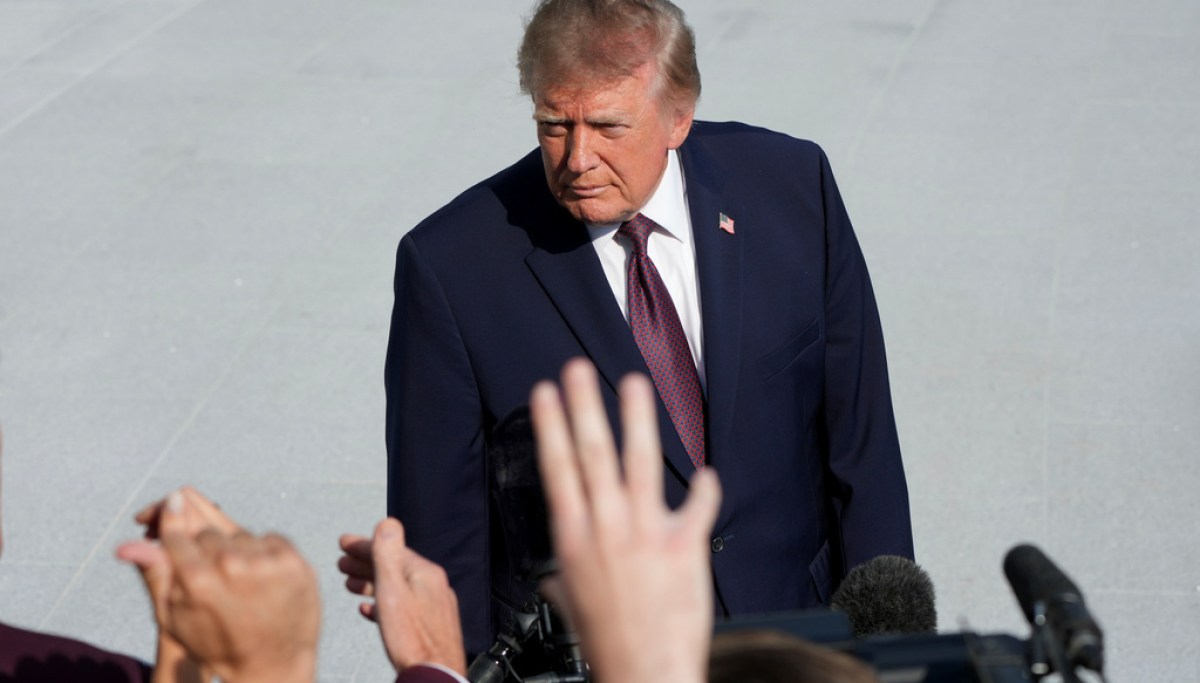
Cover image from slate.com, which was analyzed for this article
The president selected a White House aide to head the FDA as part of broader health agency leadership changes.
PoliticalOS
Thursday, August 20, 2026 — Politics
Overton’s nomination tests whether the Senate will prioritize administrative experience and vaccine policy alignment when confirming the next FDA commissioner. Opposition from a key Republican committee chair narrows the margin for confirmation under the current majority. The agency’s regulatory responsibilities over vaccines and reproductive medications remain the clearest points of upcoming conflict.
What outlets missed
UPI omitted Overton’s specific tenure length at the Domestic Policy Council and any quantitative record of policy outcomes she produced there. Neither outlet examined the FDA’s current budget constraints or the number of vacant senior positions that would fall under Overton’s direct supervision. The articles also left unaddressed the timeline for Senate hearings and the procedural threshold for cloture votes. Overton’s work at the America First Policy Institute on agency reorganization proposals received no independent verification from additional sources.
President Donald Trump’s selection of White House Domestic Policy Council Deputy Director Heidi Overton as FDA commissioner places the agency’s oversight of drugs, vaccines, tobacco and food under new leadership at a time when staffing shortages and policy disputes have already disrupted operations. Trump announced the nomination on Truth Social, describing Overton as a “ROCKSTAR” who tackles difficult issues and will keep the United States at the forefront of scientific discovery. If confirmed, she would replace acting commissioner Kyle Diamantas, who stepped in after Marty Makary resigned in May amid reported disagreements over the authorization of fruit-flavored electronic cigarettes.
Overton’s recent visibility includes her appearance at an August 10 executive order signing that reevaluates childhood vaccine schedules. Department of Health and Human Services Secretary Robert F. Kennedy Jr. endorsed her, citing her judgment and commitment to results. House Speaker Mike Johnson praised her as a physician of deep faith aligned with an America First agenda. Senator Bill Cassidy, Republican of Louisiana and chairman of the Senate Health, Education, Labor and Pensions Committee, expressed reservations about her managerial experience at an agency facing morale problems and questioned her role in the vaccine order, calling that involvement “almost disqualifying.” Democrats, including Senator Patty Murray of Washington, described her as an anti-abortion extremist and pledged opposition, while reproductive health groups highlighted her past statements celebrating the overturning of Roe v. Wade and her work at the America First Policy Institute.
Confirmation requires navigating a 53-seat Republican majority, where three defections on the floor could block the nominee. Cassidy’s committee role gives him early influence over hearings. Overton’s prior positions on medication abortion access and agency priorities remain central points of contention raised by critics but have not been addressed in detail by the administration beyond general statements of support.
More in Politics

Federal Agents Search Omar Home in Ongoing Immigration Probe
Homeland Security agents searched the Minnesota Democrat's DC residence in a criminal probe, prompting accusations of political intimidation from Omar and Democratic leaders. Coverage spans left-leaning outlets like NPR, BBC, and The Guardian alongside right-leaning criticism from The Federalist and Daily Wire.

Trump Diesel Import Plan Draws Pushback Over Russia Ties
The weekend agreement drew bipartisan congressional pushback and criticism from Ukraine's Zelenskyy, with analysts downplaying US fuel price impacts. Right-leaning outlets like National Review, Dispatch, and Washington Examiner questioned its legality and effectiveness.

Independents Test Voter Appetite for Middle Ground in 2026 Midterms
Nearly 200 independents are running in competitive races as voters weigh ballot measures on housing costs in states like Massachusetts. Left-leaning coverage from NYT, NPR, and Guardian highlights turnout and key races while right outlets focus on GOP strategy.
Trump Rallies in Alaska, Ohio to Bolster GOP Senate Candidates
The president rallied in Wasilla for Sen. Dan Sullivan and faced empty seats at an Ohio event amid midterm concerns. Outlets across the spectrum covered the trips as signals of GOP vulnerability weeks before Election Day.
The Compass
You just read five takes on one story.
What's your take? Find your political shape in a few minutes.
Take the test