
Trump Approves Plan to Oust FDA Chief Makary Amid Vaping, Drug and Abortion Disputes

Cover image from independent.co.uk, which was analyzed for this article
Reports indicate President Trump intends to dismiss FDA Commissioner Marty Makary amid agency shakeups, linked to disputes over vaping, drug approvals, and vaccines. The move is part of broader efforts to overhaul federal health agencies. Critics warn of politicization, while supporters back aligning leadership with administration priorities.
PoliticalOS
Friday, May 8, 2026 — Politics
Trump's move against Makary crystallizes the friction between accelerating innovation, protecting public health on issues like youth vaping, and satisfying ideological demands on abortion and pharmaceuticals. The FDA now faces further leadership instability at a time when measurable progress on food safety and review speed sits alongside documented internal turmoil and unverified assertions about prior agency failures. Readers should recognize that no single outlet captured the full picture; the central tension remains whether evidence-based regulation can survive intense political cross-pressures.
What outlets missed
Most outlets emphasized the political clashes over vaping and abortion but downplayed Makary's concrete initiatives that received FDA verification, including the school lunch pilot showing 70-80% pesticide and 80-90% heavy metal reductions, the launch of a national priority voucher to cut drug review times, and the largest-ever infant formula contaminant testing that found overwhelmingly low levels of toxins. Coverage also largely omitted Makary's direct statements committing the FDA to a granular safety study on mifepristone, which he said would determine future regulatory steps. Internal leadership departures, such as longtime oncology chief Richard Pazdur citing management issues, appeared inconsistently and without full attribution to specific tenures or the cumulative effect of 2025 staff reductions. Finally, few pieces noted Makary's transparency reform of publicly posting complete FDA decision letters on both approvals and rejections, a step he argued directly counters past politicization.
Trump Prepares to Remove FDA Commissioner Marty Makary Over Regulatory Clashes
President Donald Trump has approved a plan to fire Food and Drug Administration Commissioner Marty Makary, according to multiple reports citing administration sources. The move follows months of friction over the pace of flavored vape approvals, the handling of abortion medication, new drug decisions that unsettled biotech firms, and broader questions about the agency's direction under the Make America Healthy Again initiative.
Makary, a Johns Hopkins surgeon and prolific researcher who gained prominence for questioning COVID-era public health policies, assumed the role in early 2025. He positioned himself as a reformer committed to restoring what he calls "gold standard science." In a recent interview, he emphasized efforts to depoliticize decisions, confront Big Pharma and Big Food, accelerate treatments for chronic disease, and improve the nation's food supply. His agency has pursued natural food dyes, scrutinized vaccine policies, and launched a detailed safety study on the abortion drug mifepristone, which he argued had not yet received rigorous, granular examination.
Those steps won him allies in the MAHA movement aligned with Health Secretary Robert F. Kennedy Jr. Yet they also created enemies across ideological lines. Pro-life organizations, including Susan B. Anthony Pro-Life America, have pressed for his removal since late last year. They criticized the FDA's approval of a generic version of mifepristone, the medication used in chemical abortions, arguing it undermines state pro-life laws, increases risks to women and girls, and expands access in ways that empower abusers. Marjorie Dannenfelser, the group's president, called the decision "reckless" and "unconscionable." Former Senator Rick Santorum echoed conservative frustration, accusing Makary of replacing strong leaders with officials who stifled innovation and pushed biotechnology toward China.
On the other side of the dispute sits the administration's interest in fulfilling Trump's campaign commitment to "save vaping." Sources told The Wall Street Journal that Trump grew frustrated when Makary initially declined to approve fruit-flavored products from manufacturer Glas, including blueberry and mango varieties. Makary cited evidence that such flavors appeal strongly to underage users, a concern grounded in decades of public health data on youth nicotine initiation. The products eventually cleared after White House pressure, but the episode highlighted a core tension: balancing adult smokers' access to less harmful alternatives against the risk of hooking a new generation.
Recent polling showing Trump's approval among Gen Z voters at just 24 percent added political urgency. Vaping has become a cultural flashpoint in the effort to regain younger support, even as evidence accumulates that certain formulations function as harm-reduction tools for longtime cigarette users. This trade-off mirrors patterns economists have long observed in regulated markets. Overly broad restrictions can protect one group while denying options to another, often driving activity underground or overseas. Makary's caution appeared rooted in precisely that recognition of unintended consequences rather than reflexive prohibition.
The ouster plan also reflects dissatisfaction from biotech and pharmaceutical interests. Makary's tenure saw continued turnover at the FDA and several application rejections that rattled investors. Critics within the industry argued his approach slowed innovation at a time when the agency was already strained by staff departures. Supporters countered that he was attempting to raise evidentiary standards after years of accelerated approvals that sometimes produced later safety concerns.
White House spokesman Kush Desai defended the administration's overall record, stating that Trump has assembled an experienced team focused on delivering results for Americans. The president has not commented publicly on Makary's status, and sources caution the plan remains subject to change. Makary has previously persuaded Trump to retain him during earlier attempts to remove him.
The episode underscores the difficult incentives facing any FDA commissioner. The agency wields enormous power over innovation, consumer choice, and public health. Career staff and outside activists often pull in opposite directions. Makary entered the role promising to prioritize evidence over politics. His departure, should it occur, would likely shift the balance toward faster approvals on vaping and perhaps more aggressive restrictions on abortion medication. Whether that produces better long-term health outcomes remains an open question that depends on rigorous data rather than lobbying pressure.
Observers across the spectrum agree the FDA requires reform. Trust in medical institutions has fallen to historic lows. Chronic disease rates among children continue climbing despite regulatory expansion. Makary's brief tenure illustrated both the possibilities and limits of change within a sprawling bureaucracy. His emphasis on basic science, transparent studies, and resistance to capture by any single interest group reflected a recognition that sound policy begins with incentives aligned toward truth rather than temporary political advantage. The next commissioner will inherit those same structural challenges.
You just read Conservative's take. Want to read what actually happened?
More in Politics

Trump Defends Ramaswamy Ad Using Estranged Mother in Ohio Race
President Trump defended a GOP nominee's ad featuring a Democratic opponent's estranged mother, calling it powerful, while drawing criticism from some Republicans including Ohio Gov. Mike DeWine. The ad has sparked internal GOP tensions ahead of midterms.
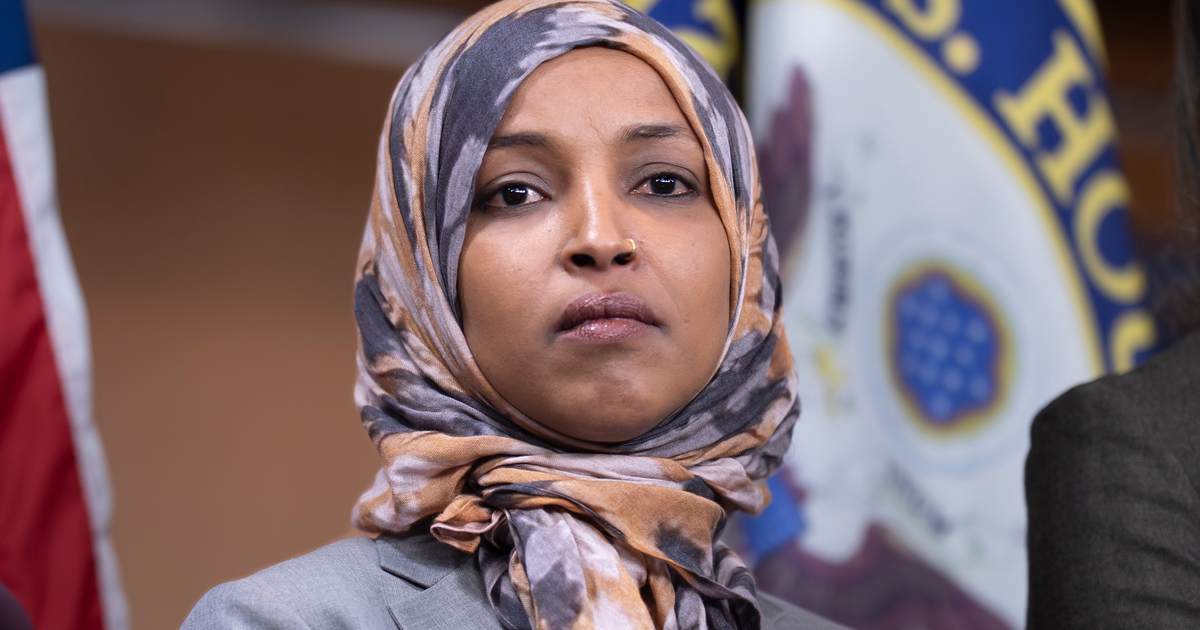
Federal Raid Targets Omar Amid Unresolved Name and Marriage Allegations
Agents searched Rep. Ilhan Omar's DC residence over immigration fraud allegations; she called it bizarre. Reports and commentary questioned her birth name and past marriage details.

Supreme Court Upholds New Hampshire Student ID Voting Ban
The Supreme Court upheld New Hampshire's ban on student IDs as valid voter identification just before midterms, affecting a tight Senate race.
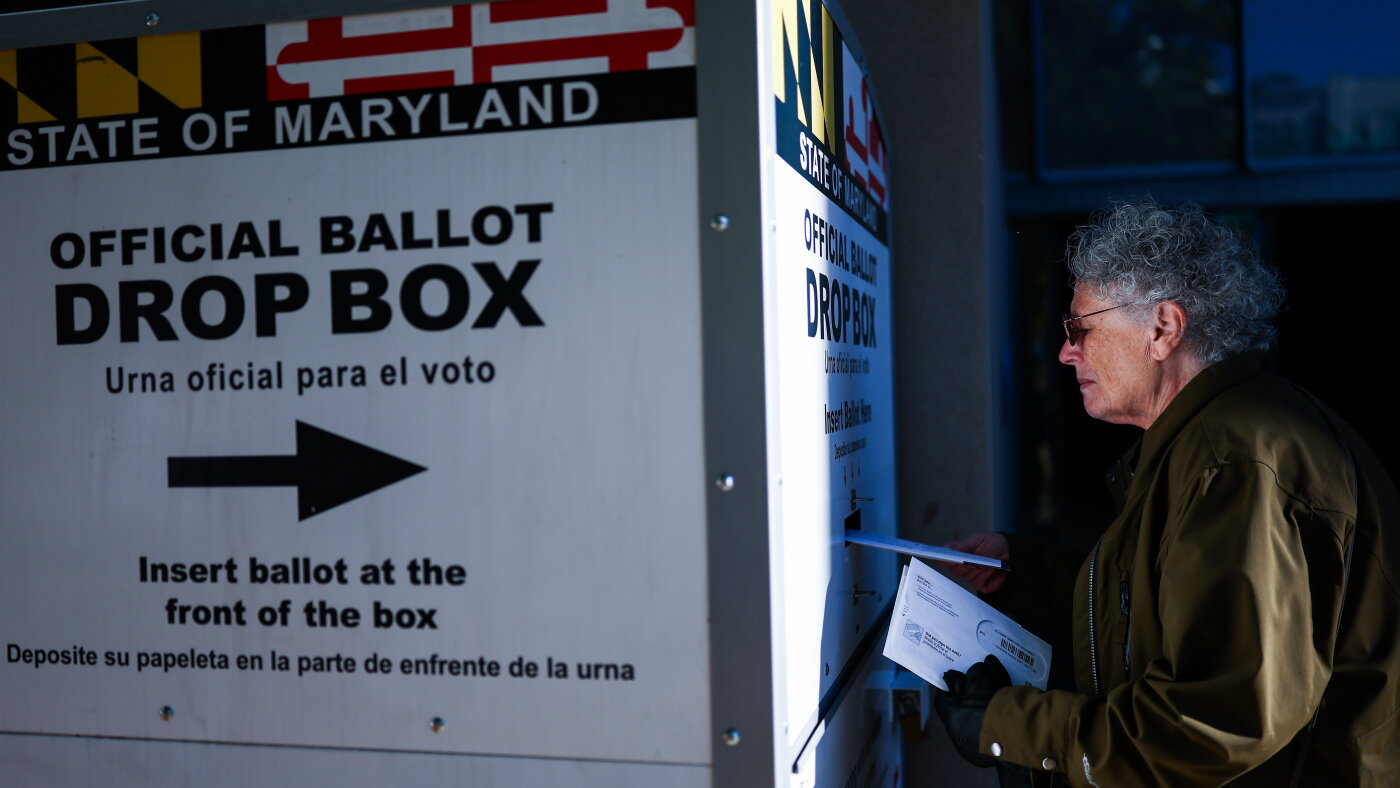
Early Voting Hits 21 Million as Most Trust Midterm Accuracy
Millions have already voted early as parties make final appeals amid $1.4 billion in ad spending; polls show confidence in election accuracy.
The Compass
You just read five takes on one story.
What's your take? Find your political shape in a few minutes.
Take the test