
Navy Secretary Phelan Removed as US Maintains Iran Blockade
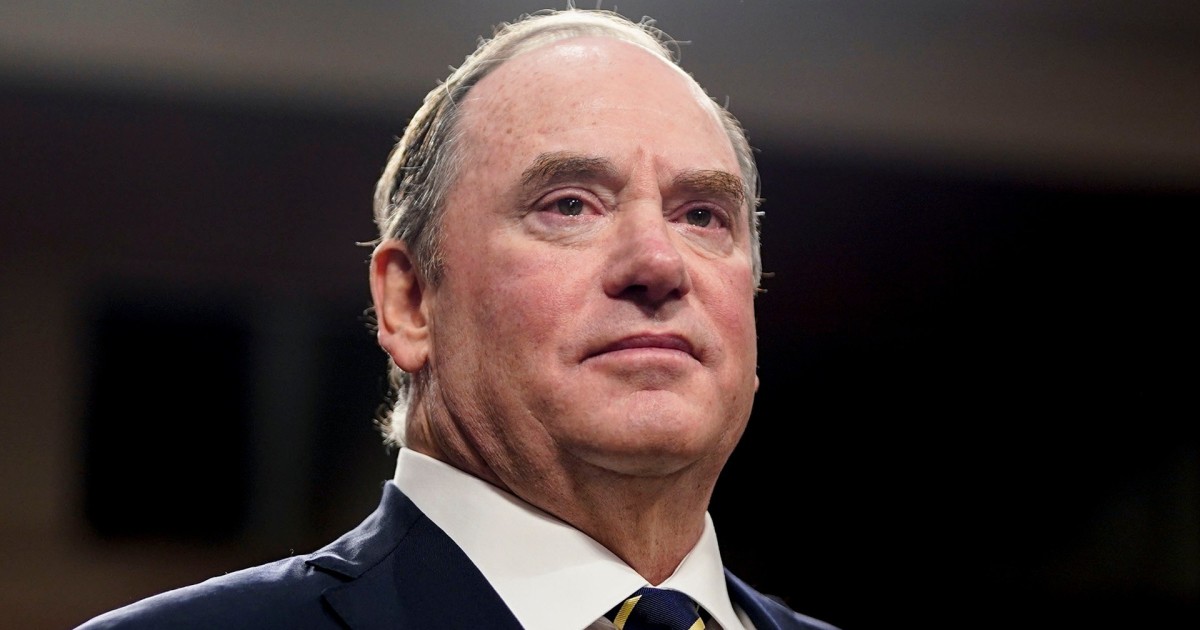
Cover image from today.com, which was analyzed for this article
Navy Secretary John Phelan was removed effective immediately as part of Trump administration shakeups during the critical Hormuz crisis. Pentagon denies long mine clearance timelines, but leadership change raises questions on strategy. Outlets note ties to broader personnel purges.
PoliticalOS
Thursday, April 23, 2026 — Politics
The removal of Navy Secretary John Phelan stems primarily from documented policy and management disagreements with Defense Secretary Pete Hegseth over naval shipbuilding and modernization priorities, not operational failures in the Strait of Hormuz. It forms part of routine high-level Pentagon turnover under the current administration and is unlikely to directly affect ongoing naval blockade activities, though it adds to questions about leadership continuity. Readers should focus on the administrative nature of the role and cross-check ceasefire status and specific strategic disputes rather than assume crisis from headline phrasing alone.
What outlets missed
Most coverage downplayed or omitted the specific strategic disagreement over shipbuilding priorities: Phelan's emphasis on large manned battleships versus Hegseth's reported preference for unmanned vessels, stealth aircraft, submarines and electronic warfare systems, as detailed by naval analyst Bryan Clark. Outlets also underplayed the administration's framing of these and related changes as merit-based performance reviews rather than personal purges. The full background on acting secretary Hung Cao, including his 25 years of service, unsuccessful Senate runs and public statements favoring aggressive warfighting culture, received limited treatment outside specialized reports. Finally, precise details on the April 7 ceasefire timeline, mutual ship seizures by both sides, and the Navy secretary's purely administrative (non-operational) role were often blurred to heighten drama around "wartime" instability.
Trump Administration Ousts Navy Secretary to Refocus Shipbuilding During Iran Conflict
The Pentagon announced Wednesday that Navy Secretary John Phelan is leaving his post effective immediately, the latest change in a series of leadership adjustments as American naval forces maintain a blockade in the Strait of Hormuz and support operations against Iran. Defense Secretary Pete Hegseth informed Phelan of the decision, according to administration officials, with Navy Undersecretary Hung Cao stepping in as acting secretary. The move comes eight weeks into the conflict, at a time when the Navy’s administrative responsibilities for ship construction, repair, recruiting and logistics carry direct consequences for long-term American power projection.
Phelan, a Harvard Business School graduate and founder of a Palm Beach investment firm, entered the role in 2024 as a Trump campaign donor with no prior military or defense executive experience. He had championed the “Golden Fleet” initiative, which included plans for new vessels and a proposed “Trump-class” battleship. Yet multiple officials told reporters that his management of the program produced repeated clashes with Hegseth and Deputy Defense Secretary Stephen Feinberg. Sources described Phelan as failing to grasp that his authority was to execute policy set by superiors rather than to substitute his own priorities. One official told Axios that “he didn’t get along” with the defense secretary and “didn’t understand he wasn’t the boss.”
The dismissal fits a broader pattern. Since early March, the administration has removed or accepted the departures of Army Chief of Staff Gen. Randy George, two other senior Army generals, the chief of naval operations and the Air Force vice chief of staff. Hegseth has now replaced more than a dozen high-ranking officers. Pentagon spokesman Sean Parnell issued a brief statement thanking Phelan for his service and wishing him well, without detailing the reasons. A senior administration official told The Independent that “President Trump and Secretary Hegseth agreed new leadership at the Navy is needed.”
The timing coincides with heightened operational demands. U.S. naval forces are enforcing restrictions on Iranian ports and shipping lanes through the Strait of Hormuz, a chokepoint that carries roughly one-fifth of global oil and gas traffic in normal times. The Navy’s shipbuilding record has lagged for years, a problem that predates the current administration but has taken on fresh urgency. Delays in delivering hulls, training crews and maintaining readiness translate into fewer options when adversaries test American resolve. Phelan’s supporters noted his efforts to accelerate construction; critics inside the Pentagon argued the results fell short of the pace required.
This is not the first time an administration has cleared senior civilians or uniformed leaders during a national security test. Incentives inside large bureaucracies often favor consensus and incrementalism over rapid correction. When measurable outputs such as delivered ships, trained sailors and repaired vessels fail to meet strategic requirements, accountability at the top becomes one of the few mechanisms available to align effort with necessity. The choice of Cao, who has naval background and prior congressional service, suggests an attempt to install someone more attuned to both operational realities and the administration’s stated goals.
Phelan’s exit raises familiar questions about the balance between political loyalty and managerial competence. Appointing major campaign supporters to technically demanding posts carries risks when those posts require deep knowledge of supply chains, shipyard capacity and Pentagon budgeting rules. At the same time, continuity for its own sake has costs. The Navy’s fleet size has shrunk relative to its responsibilities over the past two decades while China has expanded its own navy at an aggressive clip. Any serious effort to reverse that trend must confront entrenched interests, slow procurement processes and uneven performance. Leadership turnover, while disruptive, can sometimes serve as a corrective when earlier approaches produce unsatisfactory results.
The change does not directly affect tactical command of forces already deployed. The Navy secretary’s portfolio centers on policy, manpower, training and the industrial base that sustains the fleet over years rather than weeks. Yet sustained failure in those administrative duties eventually erodes the credibility of American deterrence. With Iran-linked shipping incidents continuing and cease-fire talks uncertain, the administration appears unwilling to tolerate internal friction that might slow the rebuilding of maritime capacity.
Whether the replacement of Phelan and earlier officers produces measurable improvement in ship delivery schedules and readiness metrics remains to be seen. Outcomes will matter more than personnel announcements. What is clear is that the Trump administration continues to impose a standard of results over tenure, particularly in the military services most exposed to current threats. In a dangerous international environment, that emphasis on execution over institutional comfort is likely to remain a defining feature of its approach.
You just read Conservative's take. Want to read what actually happened?
More in Politics
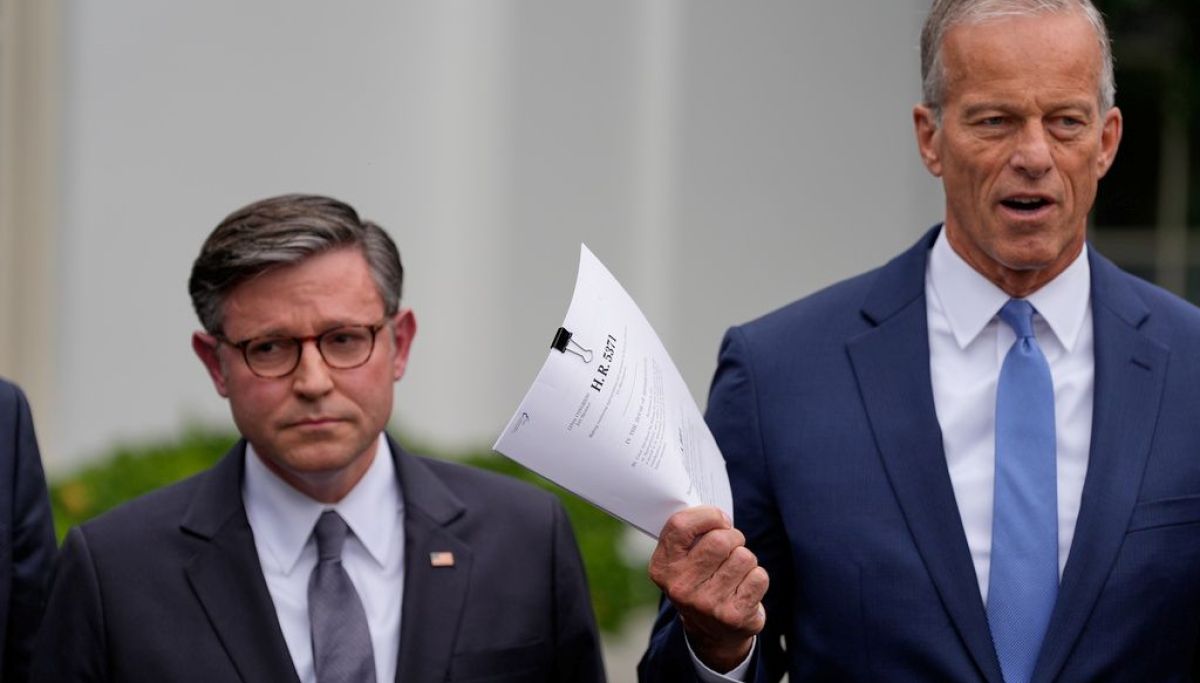
Trump at 32% Approval as Gas Prices Test GOP Midterm Hopes
NYT/Siena polling showed Trump's approval at historic lows around 32 percent with Democrats leading by double digits in key districts. Early voting has surged in battleground states.

Record Early Voting Hits Battlegrounds, Shifting Partisan Shares
AP analysis found hundreds of thousands more early ballots than in 2022 in states including Texas, Ohio, Kansas, Maine, and North Carolina, shifting partisan dynamics.
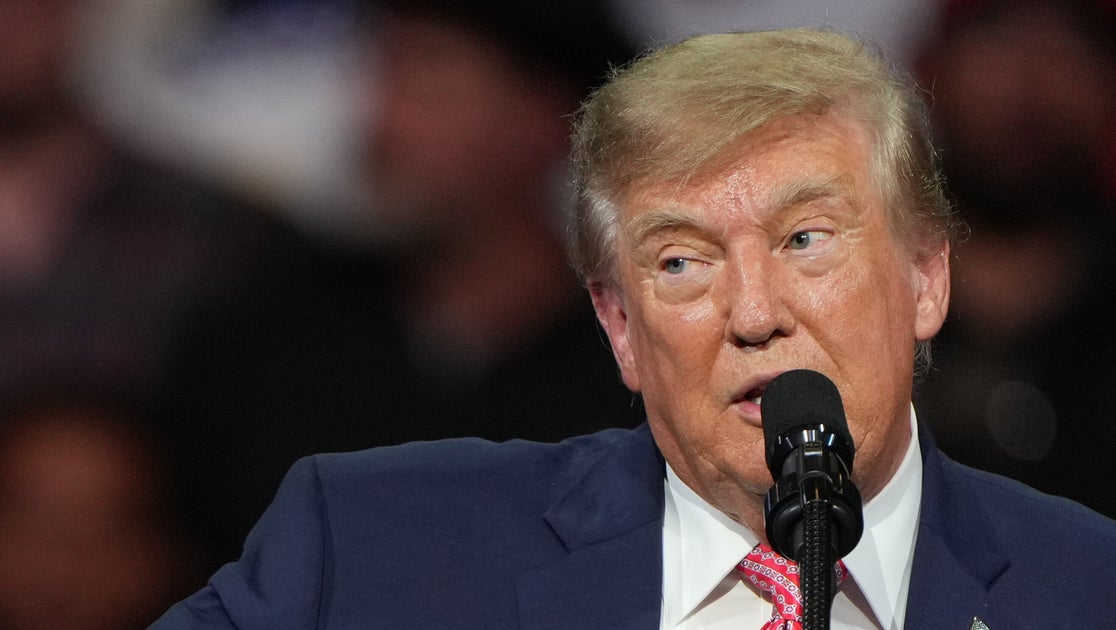
Trump Backs Marshall in Kansas Senate Race Tightened by Farm Costs
President Trump rallied in deep-red Kansas for GOP Sen. Roger Marshall in a competitive race, announcing an $8 billion farm fuel relief program amid high diesel prices. Democrats see an opening to end 94 years of GOP dominance in the state.

Trump Pauses Russia Sanctions Amid Ukraine Tensions and Missile Strikes
Trump waived sanctions on Russia and floated trilateral talks with Putin and Xi as part of ending the Ukraine war, while tensions rose with Zelenskyy over Starlink and arms. Bipartisan senators engaged Zelenskyy amid the shifts.
The Compass
You just read five takes on one story.
What's your take? Find your political shape in a few minutes.
Take the test