
Navy Secretary Phelan Removed as US Maintains Iran Blockade
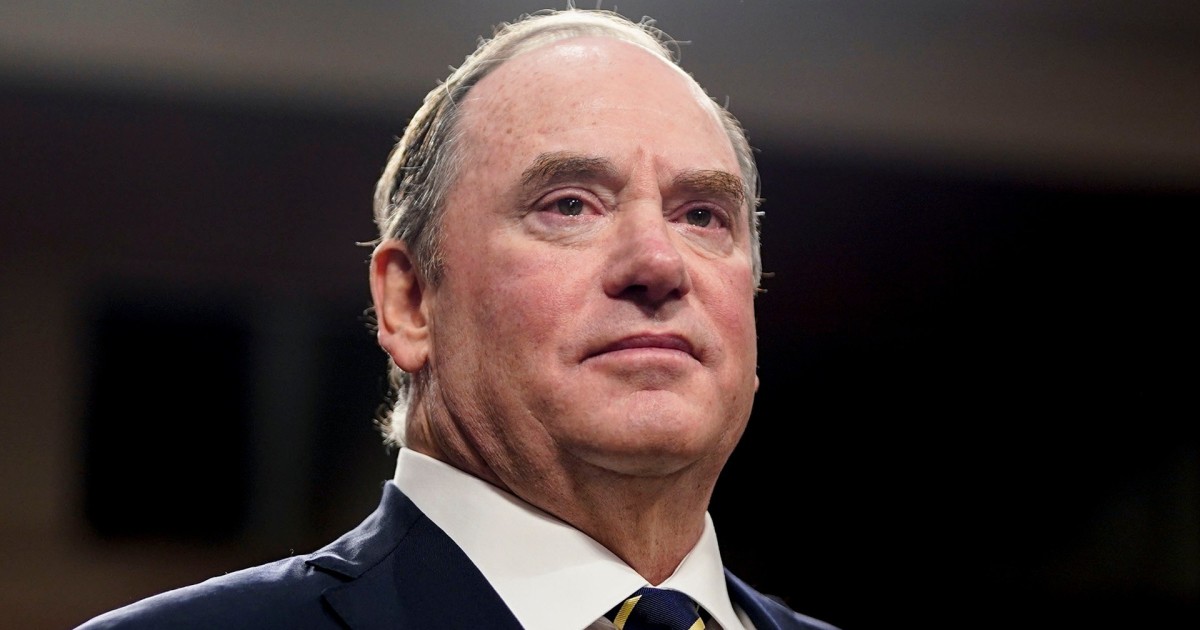
Cover image from today.com, which was analyzed for this article
Navy Secretary John Phelan was removed effective immediately as part of Trump administration shakeups during the critical Hormuz crisis. Pentagon denies long mine clearance timelines, but leadership change raises questions on strategy. Outlets note ties to broader personnel purges.
PoliticalOS
Thursday, April 23, 2026 — Politics
The removal of Navy Secretary John Phelan stems primarily from documented policy and management disagreements with Defense Secretary Pete Hegseth over naval shipbuilding and modernization priorities, not operational failures in the Strait of Hormuz. It forms part of routine high-level Pentagon turnover under the current administration and is unlikely to directly affect ongoing naval blockade activities, though it adds to questions about leadership continuity. Readers should focus on the administrative nature of the role and cross-check ceasefire status and specific strategic disputes rather than assume crisis from headline phrasing alone.
What outlets missed
Most coverage downplayed or omitted the specific strategic disagreement over shipbuilding priorities: Phelan's emphasis on large manned battleships versus Hegseth's reported preference for unmanned vessels, stealth aircraft, submarines and electronic warfare systems, as detailed by naval analyst Bryan Clark. Outlets also underplayed the administration's framing of these and related changes as merit-based performance reviews rather than personal purges. The full background on acting secretary Hung Cao, including his 25 years of service, unsuccessful Senate runs and public statements favoring aggressive warfighting culture, received limited treatment outside specialized reports. Finally, precise details on the April 7 ceasefire timeline, mutual ship seizures by both sides, and the Navy secretary's purely administrative (non-operational) role were often blurred to heighten drama around "wartime" instability.
Trump Ousts Navy Secretary in Latest Pentagon Purge as Iran War Grinds On
President Donald Trump has fired Navy Secretary John Phelan, the latest high-profile casualty in a Pentagon that appears increasingly consumed by infighting even as American forces remain locked in an expensive and unpopular shooting war with Iran. The move, announced Wednesday and effective immediately, comes as the Navy enforces a blockade around the Strait of Hormuz, a chokepoint for one-fifth of the world's oil. Gas prices are climbing, American families are feeling the pain at the pump, and the conflict that began in late February is now dragging into its eighth week with no obvious exit ramp.
Pentagon spokesman Sean Parnell delivered the terse obituary: gratitude for Phelan's service and best wishes for the future. Navy Undersecretary Hung Cao will step in as acting secretary. But behind the polite language lies a familiar story in this administration. Multiple outlets report Phelan clashed repeatedly with Defense Secretary Pete Hegseth over the so-called Golden Fleet shipbuilding push, a signature Trump initiative meant to rebuild a Navy that has shrunk dangerously in recent decades. Phelan, a wealthy Palm Beach financier and major Trump campaign donor with no military background, apparently saw himself as more than a subordinate. Sources told Axios he "didn't understand he wasn't the boss" and resisted orders from above. That attitude, according to those familiar with the disputes, sealed his fate.
This is not an isolated incident. Hegseth has already purged more than a dozen senior officers, including the chief of naval operations and the Army chief of staff. Army Secretary Daniel Driscoll has butted heads with the defense secretary as well. The pattern is clear: this administration is trying to impose accountability on a military bureaucracy that spent years focused on diversity seminars and forever wars rather than combat readiness. Yet the timing raises legitimate questions. The United States is currently detaining Iran-linked tankers, maintaining a heavy naval presence that risks escalation, and talking about possible peace negotiations while Iranian proxies and mines continue to threaten commercial shipping. Firing the civilian leader overseeing ship construction and logistics at this moment looks less like routine housekeeping and more like a sign of deeper dysfunction.
Phelan's defenders might argue he was trying to deliver on Trump's vision of a powerful fleet, including new "Trump-class" battleships. Critics inside the Pentagon counter that his management was disorganized and that he prioritized his own preferences over the chain of command. Either way, the episode exposes a recurring problem in Washington. Political appointees with more money and connections than operational experience often arrive promising transformation but end up tangled in turf battles. The Navy's shipbuilding woes did not begin with Phelan. Decades of congressional neglect, contractor profiteering, and strategic confusion turned what should be America's first line of defense into a hollow force. The fact that America must now scramble to deter Iran while blockading critical sea lanes only highlights how fragile our posture has become.
The shakeup extends beyond the Pentagon. This spring has seen a broader housecleaning. Attorney General Pam Bondi, Labor Secretary Lori Chavez-DeRemer, and Homeland Security Secretary Kristi Noem have all faced pressure or departure amid the administration's struggles. At DHS, fresh concerns emerged this week after an ex-lover of a counterterrorism official leveled claims that could pose national security risks. Details remain sparse, but the "sugar baby" allegations raise the obvious question of whether personal entanglements are creating blackmail vulnerabilities inside agencies charged with protecting the homeland. In an era of heightened threats from Iran and its proxies, Americans deserve officials whose private lives do not become avenues for foreign influence.
None of this inspires confidence as the Iran conflict continues. The war, conducted alongside Israel, has already driven energy prices higher and eroded the president's approval ratings. Working families paying more to fill their trucks or heat their homes have every right to wonder what concrete American interest is being advanced by policing Middle Eastern shipping lanes indefinitely. The same foreign policy establishment that cheered regime change in Iraq and Libya now seems invested in this latest confrontation, with defense contractors naturally positioned to benefit from prolonged naval operations.
Trump campaigned on avoiding unnecessary wars and restoring American strength. His decision to remove officials who cannot execute that vision reflects an understandable impatience with bureaucratic resistance. Yet the revolving door at senior levels also suggests the administration is still finding its footing in a building that has thwarted previous reform efforts. Replacing Phelan with someone more aligned with Hegseth may steady the shipbuilding program, but it does not magically restore a Navy that has been neglected for years or resolve the strategic confusion that led us into this confrontation with Iran in the first place.
The coming weeks will test whether these personnel changes produce real results or simply more headlines about internal drama. American sailors are currently deployed in hostile waters. Shipyards are supposed to be churning out vessels that can deter China in the Pacific while handling crises in the Middle East. The public deserves competence and focus, not another round of Washington power struggles. If the Golden Fleet initiative falters because political appointees cannot work together, it will be ordinary citizens, not the insiders, who ultimately pay the price in both blood and treasure.
You just read America First's take. Want to read what actually happened?
More in Politics
Trump at 32% Approval as Gas Prices Test GOP Midterm Hopes
NYT/Siena polling showed Trump's approval at historic lows around 32 percent with Democrats leading by double digits in key districts. Early voting has surged in battleground states.

Record Early Voting Hits Battlegrounds, Shifting Partisan Shares
AP analysis found hundreds of thousands more early ballots than in 2022 in states including Texas, Ohio, Kansas, Maine, and North Carolina, shifting partisan dynamics.
Trump Backs Marshall in Kansas Senate Race Tightened by Farm Costs
President Trump rallied in deep-red Kansas for GOP Sen. Roger Marshall in a competitive race, announcing an $8 billion farm fuel relief program amid high diesel prices. Democrats see an opening to end 94 years of GOP dominance in the state.

Trump Pauses Russia Sanctions Amid Ukraine Tensions and Missile Strikes
Trump waived sanctions on Russia and floated trilateral talks with Putin and Xi as part of ending the Ukraine war, while tensions rose with Zelenskyy over Starlink and arms. Bipartisan senators engaged Zelenskyy amid the shifts.
The Compass
You just read five takes on one story.
What's your take? Find your political shape in a few minutes.
Take the test