
Navy Secretary Phelan Removed as US Maintains Iran Blockade
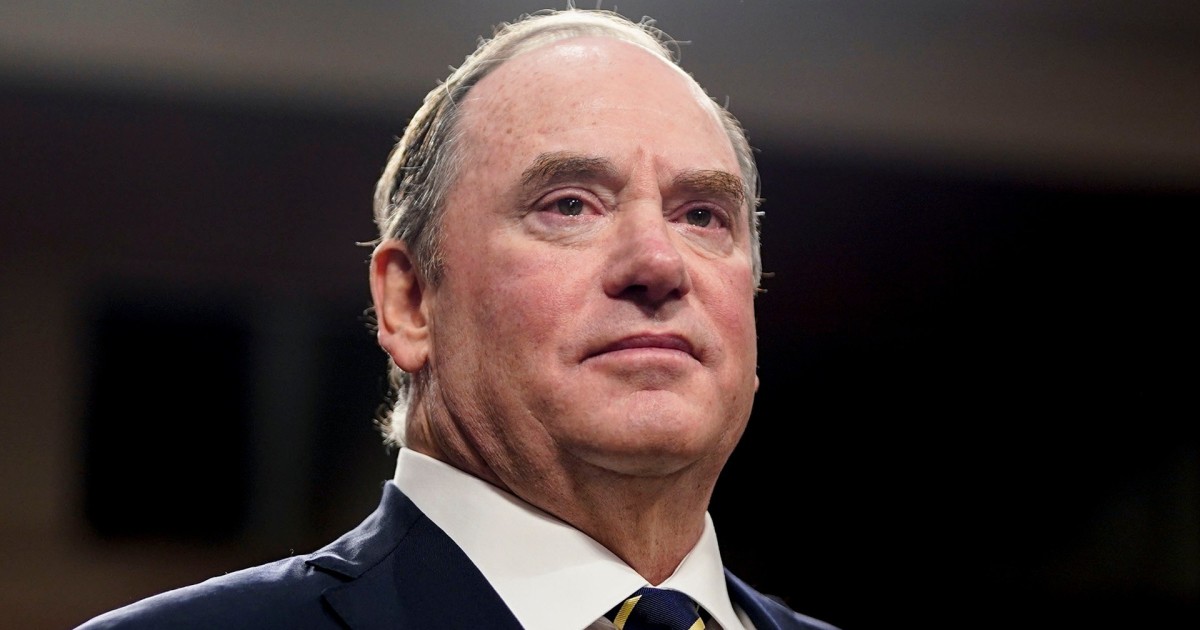
Cover image from today.com, which was analyzed for this article
Navy Secretary John Phelan was removed effective immediately as part of Trump administration shakeups during the critical Hormuz crisis. Pentagon denies long mine clearance timelines, but leadership change raises questions on strategy. Outlets note ties to broader personnel purges.
PoliticalOS
Thursday, April 23, 2026 — Politics
The removal of Navy Secretary John Phelan stems primarily from documented policy and management disagreements with Defense Secretary Pete Hegseth over naval shipbuilding and modernization priorities, not operational failures in the Strait of Hormuz. It forms part of routine high-level Pentagon turnover under the current administration and is unlikely to directly affect ongoing naval blockade activities, though it adds to questions about leadership continuity. Readers should focus on the administrative nature of the role and cross-check ceasefire status and specific strategic disputes rather than assume crisis from headline phrasing alone.
What outlets missed
Most coverage downplayed or omitted the specific strategic disagreement over shipbuilding priorities: Phelan's emphasis on large manned battleships versus Hegseth's reported preference for unmanned vessels, stealth aircraft, submarines and electronic warfare systems, as detailed by naval analyst Bryan Clark. Outlets also underplayed the administration's framing of these and related changes as merit-based performance reviews rather than personal purges. The full background on acting secretary Hung Cao, including his 25 years of service, unsuccessful Senate runs and public statements favoring aggressive warfighting culture, received limited treatment outside specialized reports. Finally, precise details on the April 7 ceasefire timeline, mutual ship seizures by both sides, and the Navy secretary's purely administrative (non-operational) role were often blurred to heighten drama around "wartime" instability.
Trump Administration Ousts Navy Secretary as Pentagon Infighting Deepens During Iran War
WASHINGTON — The Trump administration fired Navy Secretary John Phelan on Wednesday, the latest casualty in a sweeping purge of Pentagon leadership that has accelerated during the United States’ deepening involvement in the war with Iran. The dismissal, effective immediately, comes as American naval forces maintain a punishing blockade of the Strait of Hormuz, a chokepoint carrying one-fifth of the world’s oil and gas shipments, while fragile ceasefire talks hover in the background and domestic political pressure mounts over rising energy prices and falling approval ratings for the president.
Pentagon spokesman Sean Parnell announced the move in a terse social media post, offering no explanation beyond perfunctory thanks for Phelan’s service. Navy Undersecretary Hung Cao, a former Army officer and Republican congressional candidate, will serve in an acting capacity. Multiple officials told reporters that Phelan clashed repeatedly with Defense Secretary Pete Hegseth over the slow progress of the so-called Golden Fleet shipbuilding initiative, a signature Trump priority that includes ambitious plans for a new “Trump-class” battleship. Sources described Phelan as having misunderstood the limits of his authority in an administration that prizes loyalty and obedience above all.
Phelan, a Harvard Business School graduate, Palm Beach investment executive, and major Trump campaign donor, arrived at the Pentagon with no prior military or defense experience. Appointed shortly after Trump’s 2024 victory, he embodied the administration’s preference for political allies over institutional expertise. His portfolio was largely administrative: overseeing recruitment, training, budgeting, ship construction and repair. Yet those responsibilities placed him at the center of tensions over how to reverse years of decline in the Navy’s shipbuilding capacity while simultaneously prosecuting a hot war.
The firing fits a clear pattern. Hegseth has removed more than a dozen senior officers since taking office, including the chief of naval operations and the Air Force vice chief of staff. Earlier this month he forced out Army Chief of Staff Gen. Randy George. Two other Army generals were also sidelined. The Washington Post reported at least five high-ranking officials have been pushed out or resigned under pressure since March. This spring shakeup coincides with a war now entering its eighth week that has strained military resources, disrupted global energy markets, and exposed fractures within the administration.
Critics inside and outside the Pentagon see the turmoil as more than routine personnel churn. The Navy’s role in the conflict has been central: enforcing the blockade of Iranian ports, detaining tankers, and responding to Iranian attacks on commercial shipping. With peace talks reportedly looming and uncertainty about who actually controls decision-making in Tehran, the abrupt removal of the service’s top civilian official raises fresh questions about continuity and strategic coherence. One administration official, speaking on condition of anonymity, told The Independent that “new leadership at the Navy is needed.” Another source was blunter with Axios: Phelan “didn’t understand he wasn’t the boss.”
The broader context is an administration increasingly at war with itself. Reports suggest Phelan’s ouster was driven as much by personal and policy friction with Hegseth and Deputy Defense Secretary Stephen Feinberg as by any specific failure. Hegseth, a Fox News personality turned Pentagon chief with his own history of controversy, has shown little tolerance for dissent. His management style has alarmed lawmakers on both sides of the aisle who worry that experienced military voices are being replaced by ideological loyalists at precisely the wrong moment.
Phelan’s departure is unlikely to alter immediate combat operations; the Navy secretary does not command deployed forces. But it risks further delaying the very shipbuilding program he was tasked with accelerating. The Golden Fleet was sold as a bold revival of American maritime power. Instead, it has become another front in the administration’s internal power struggles. Congressional oversight committees are already signaling they will demand answers about the impact on readiness, especially as the Iran conflict threatens to drag on and global oil prices continue their volatile climb.
This is not an isolated incident. The same week saw scrutiny of other senior officials, including questions surrounding Homeland Security leadership and past personal entanglements that critics say pose security risks. The pattern is unmistakable: an administration that entered office promising strength and stability is instead delivering serial upheaval at the highest levels of the military during an active shooting war.
As the blockade of the Strait of Hormuz continues and diplomats circle potential off-ramps, the sudden loss of the Navy’s civilian chief adds another layer of uncertainty. Whether Hung Cao can steady the department or will simply become the next target in the purge remains to be seen. What is already clear is that the Trump administration’s approach to leadership, heavy on loyalty tests and light on institutional knowledge, is being tested by the brutal realities of war. The consequences may extend far beyond the Pentagon corridors.
You just read Progressive's take. Want to read what actually happened?
More in Politics
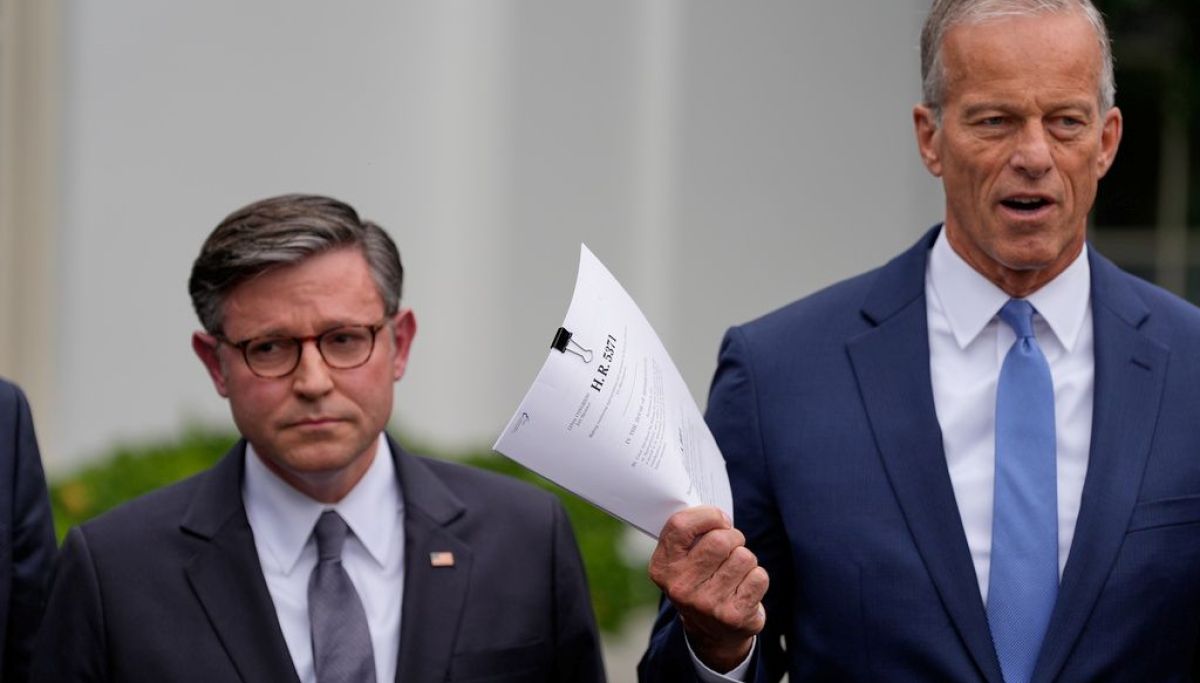
Trump at 32% Approval as Gas Prices Test GOP Midterm Hopes
NYT/Siena polling showed Trump's approval at historic lows around 32 percent with Democrats leading by double digits in key districts. Early voting has surged in battleground states.

Record Early Voting Hits Battlegrounds, Shifting Partisan Shares
AP analysis found hundreds of thousands more early ballots than in 2022 in states including Texas, Ohio, Kansas, Maine, and North Carolina, shifting partisan dynamics.
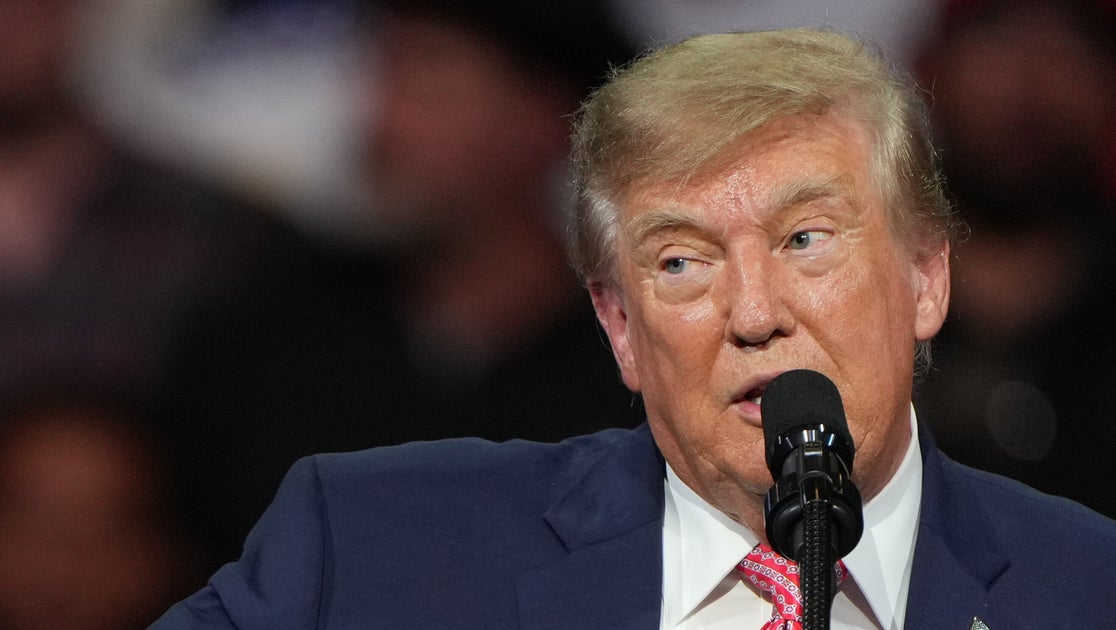
Trump Backs Marshall in Kansas Senate Race Tightened by Farm Costs
President Trump rallied in deep-red Kansas for GOP Sen. Roger Marshall in a competitive race, announcing an $8 billion farm fuel relief program amid high diesel prices. Democrats see an opening to end 94 years of GOP dominance in the state.

Trump Pauses Russia Sanctions Amid Ukraine Tensions and Missile Strikes
Trump waived sanctions on Russia and floated trilateral talks with Putin and Xi as part of ending the Ukraine war, while tensions rose with Zelenskyy over Starlink and arms. Bipartisan senators engaged Zelenskyy amid the shifts.
The Compass
You just read five takes on one story.
What's your take? Find your political shape in a few minutes.
Take the test