
Trump Signals Deeper Troop Cuts in Germany Beyond Pentagon Plan

Cover image from bbc.com, which was analyzed for this article
President Trump announced plans to cut US troops in Germany 'way down' beyond initial withdrawals, alarming top Republicans who warn it sends the wrong signal to Russia. The move heightens concerns amid global tensions including the Iran war.
PoliticalOS
Sunday, May 3, 2026 — Politics
The Trump administration is accelerating a long-discussed reduction of U.S. forces in Germany as part of a larger strategic shift toward the Indo-Pacific, even as key Republicans worry it could embolden Moscow before European allies fully stand up new capabilities. Germany and NATO have responded with statements of preparedness and renewed calls for higher European spending, which is already rising. The single most important reality is that this is not a sudden abandonment but a continuation of policy tensions that predate the current Iran disputes: how much American blood and treasure should underwrite European security when those allies are finally increasing their own defense budgets.
What outlets missed
Both BBC and Newsmax underplayed the Pentagon's explicit rationale that the cuts stem from a formal review of shifting theater requirements, especially the long-term U.S. pivot toward containing China in the Indo-Pacific. The articles gave minimal attention to the fact that withdrawing 5,000 troops would return Germany levels close to those maintained before Russia's 2022 invasion of Ukraine, framing the move instead as either alarmingly abrupt or boldly punitive. Coverage also skimped on specifics about unaffected strategic assets such as Ramstein Air Base, which German officials described as irreplaceable for both nations, and offered little data on how Europe's recent defense spending surge (including Germany's projected 3.1 percent of GDP) might eventually offset the reductions. Finally, neither fully reconciled Trump's Iran-related grievances with the separate strategic case for reallocating forces away from a continent now spending more on its own security.
Trump Doubles Down on Cutting US Troops in Germany
President Donald Trump made clear Saturday that the Pentagon's announced withdrawal of 5,000 American troops from Germany represents only the opening move in a broader recalibration of Washington's commitments to European defense. Speaking to reporters, Trump said the United States is "going to cut way down, and we're cutting a lot further than 5,000," without offering specifics on the scale or timeline of additional reductions.
The comments came one day after the Pentagon disclosed the initial cut, which will be carried out over the next six to twelve months. The move trims a portion of the more than 36,000 active-duty American forces currently stationed in Germany, a country that has hosted large numbers of U.S. troops since the earliest days of the Cold War. Pentagon spokesman Sean Parnell described the decision as the product of a "thorough review" that accounts for current theater requirements and conditions on the ground.
Trump's willingness to go further reflects his long-held view that European allies have treated the United States as an all-expenses-paid security service for far too long. That frustration boiled over this week after German Chancellor Friedrich Merz publicly claimed Iran was "humiliating" Washington in ongoing negotiations, remarks that deepened an already visible rift. At the same time, Trump announced that tariffs on European Union cars and trucks will rise from 15 percent to 25 percent next week, citing the bloc's failure to live up to a trade agreement signed last summer.
The troop decision arrives as NATO itself acknowledges the need for change. Alliance officials said they are seeking clarification from Washington but noted through spokeswoman Allison Hart that the adjustment "underscores the need for Europe to continue to invest more in defense and take on a greater share of the responsibility for our shared security." German Defense Minister Boris Pistorius struck a pragmatic tone, telling reporters the withdrawal "from Europe and also from Germany was to be expected." He added that the presence of American soldiers remains in both countries' interests, though his calm acceptance stood in contrast to the alarm expressed by some in Washington.
Two senior Republicans who oversee military policy wasted little time registering their disapproval. Senate Armed Services Committee Chairman Roger Wicker and House Armed Services Committee Chairman Mike Rogers issued a joint statement expressing "very serious concern" about pulling a full brigade out of Germany. They argued that rather than reducing America's footprint on the continent, the 5,000 troops should be repositioned farther east to maintain pressure on Russia. "Prematurely reducing America's forward presence in Europe before those capabilities are fully realised risks undermining deterrence and sending the wrong signal to Vladimir Putin," the pair wrote.
Their position highlights a persistent divide inside the Republican Party. While Wicker and Rogers worry about optics and traditional alliance management, Trump's approach reflects a clear America First calculation: why should U.S. families continue subsidizing Germany's defense at levels that allow Berlin to underfund its own military while maintaining massive trade advantages with the United States? As of December 31, 2025, America kept 36,436 troops in Germany compared with 12,662 in Italy and only 3,814 in Spain. Those numbers tell their own story about burden-sharing.
Democrats offered predictable criticism. The top Democrat on the House Armed Services Committee, Adam Smith, dismissed the decision as "not grounded in any coherent US national security policy, strategy, or even analysis" and suggested it stemmed from "hurt feelings." That line conveniently ignores years of data showing European NATO members repeatedly falling short of the 2 percent of GDP defense spending target they agreed to meet. Only recently have some allies begun to increase budgets, largely because Trump spent years publicly shaming them into action.
The broader context matters. For three decades after the Soviet Union collapsed, Washington kept hundreds of thousands of troops in Europe under the assumption that perpetual American presence prevented conflict. Yet that arrangement allowed many European capitals to divert resources to generous welfare states and green energy experiments while depending on the U.S. military as an insurance policy. Russia’s actions in Ukraine have exposed the fragility of that model. European leaders now talk seriously about rearmament, but talk is cheap. Actual spending increases remain uneven and, in many cases, still fall well below what would be required to replace American combat power.
Trump's latest moves, coupling troop reductions with tariffs, send an unmistakable message: the era of unconditional subsidy is ending. European officials may complain about mixed signals, but the signal is remarkably consistent. Washington expects allies to shoulder the primary burden of defending their own region rather than treating the U.S. Army as a permanent auxiliary force. NATO's request for clarification suggests the alliance is only beginning to absorb this new reality.
How far Trump ultimately goes with further cuts will likely depend on whether European governments accelerate real defense investments or continue issuing statements while hoping American taxpayers foot most of the bill. For now, the president has made his direction plain. The days of unlimited American manpower and treasure flowing eastward across the Atlantic without reciprocal commitment appear to be numbered.
You just read America First's take. Want to read what actually happened?
More in Politics

Trump Defends Ramaswamy Ad Using Estranged Mother in Ohio Race
President Trump defended a GOP nominee's ad featuring a Democratic opponent's estranged mother, calling it powerful, while drawing criticism from some Republicans including Ohio Gov. Mike DeWine. The ad has sparked internal GOP tensions ahead of midterms.
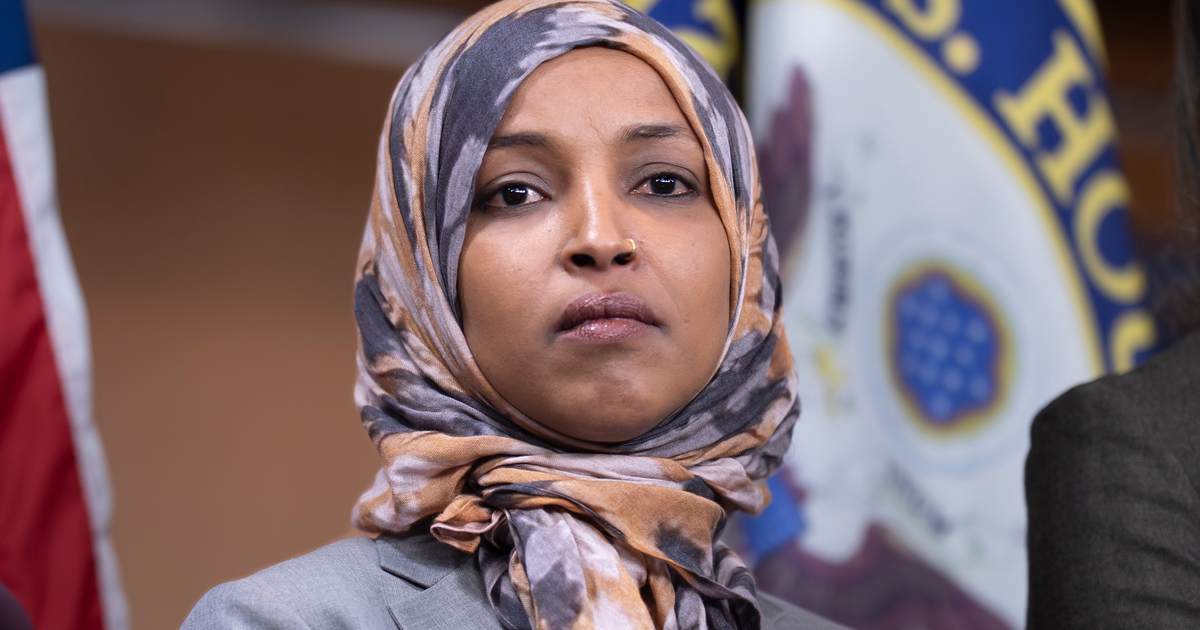
Federal Raid Targets Omar Amid Unresolved Name and Marriage Allegations
Agents searched Rep. Ilhan Omar's DC residence over immigration fraud allegations; she called it bizarre. Reports and commentary questioned her birth name and past marriage details.

Supreme Court Upholds New Hampshire Student ID Voting Ban
The Supreme Court upheld New Hampshire's ban on student IDs as valid voter identification just before midterms, affecting a tight Senate race.
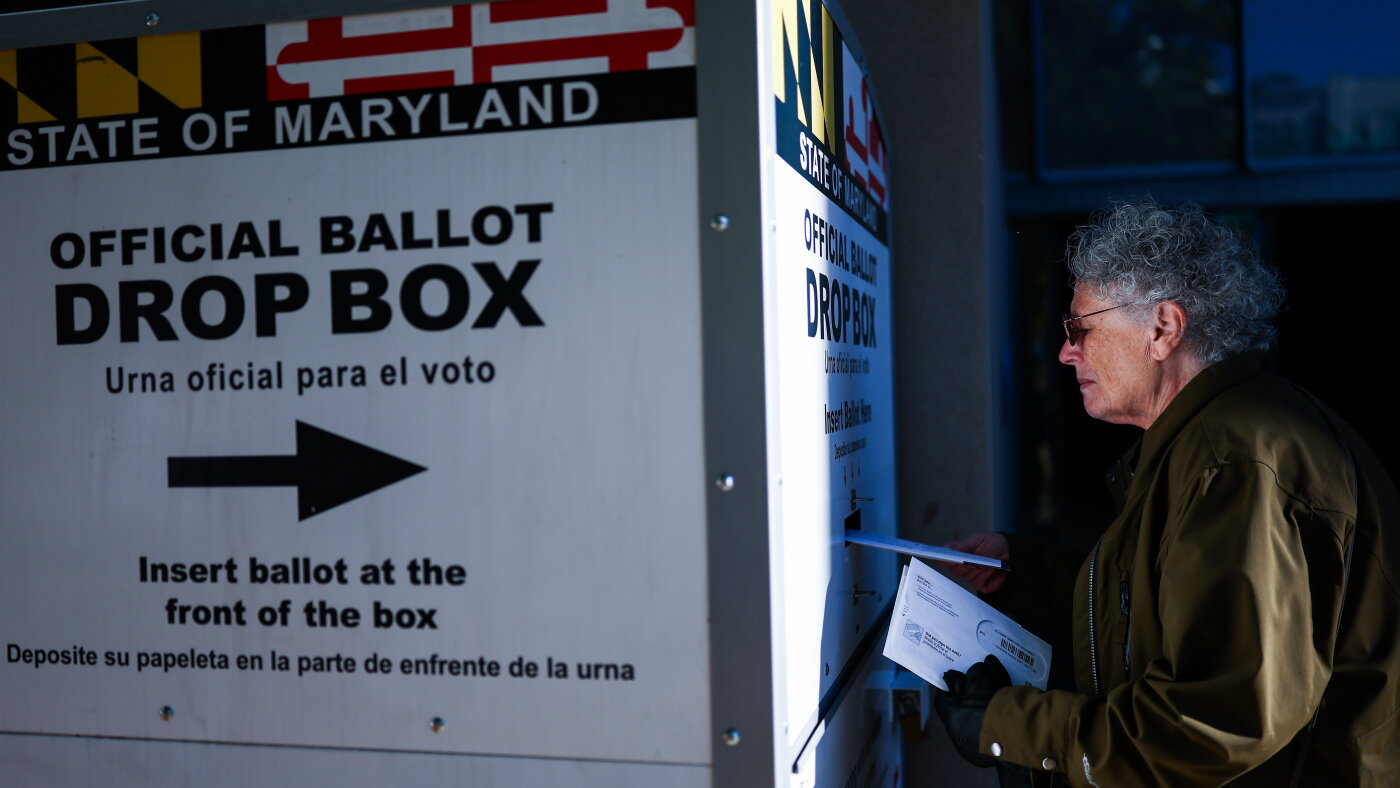
Early Voting Hits 21 Million as Most Trust Midterm Accuracy
Millions have already voted early as parties make final appeals amid $1.4 billion in ad spending; polls show confidence in election accuracy.
The Compass
You just read five takes on one story.
What's your take? Find your political shape in a few minutes.
Take the test