
Trump Signals Deeper Troop Cuts in Germany Beyond Pentagon Plan
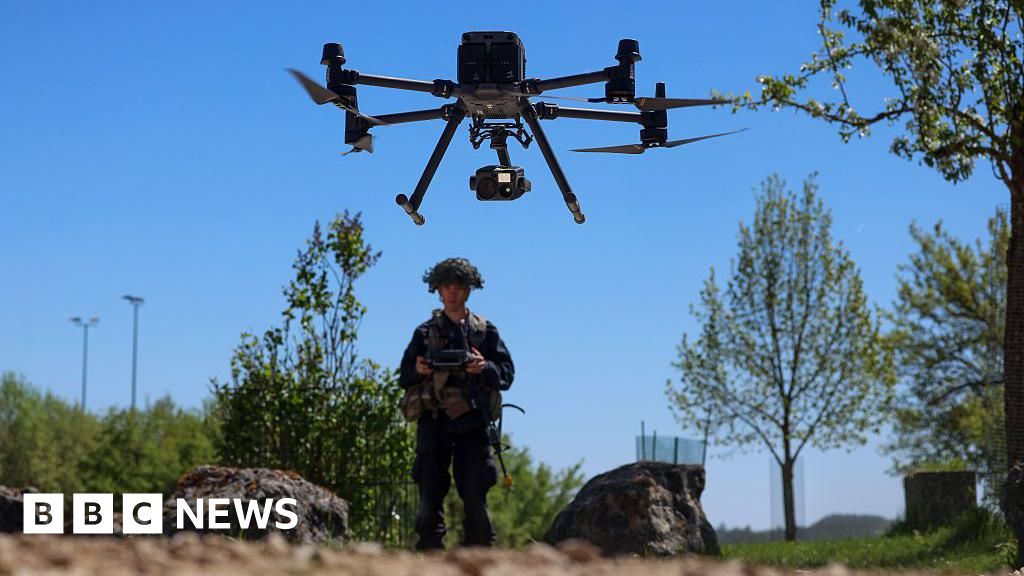
Cover image from bbc.com, which was analyzed for this article
President Trump announced plans to cut US troops in Germany 'way down' beyond initial withdrawals, alarming top Republicans who warn it sends the wrong signal to Russia. The move heightens concerns amid global tensions including the Iran war.
PoliticalOS
Sunday, May 3, 2026 — Politics
The Trump administration is accelerating a long-discussed reduction of U.S. forces in Germany as part of a larger strategic shift toward the Indo-Pacific, even as key Republicans worry it could embolden Moscow before European allies fully stand up new capabilities. Germany and NATO have responded with statements of preparedness and renewed calls for higher European spending, which is already rising. The single most important reality is that this is not a sudden abandonment but a continuation of policy tensions that predate the current Iran disputes: how much American blood and treasure should underwrite European security when those allies are finally increasing their own defense budgets.
What outlets missed
Both BBC and Newsmax underplayed the Pentagon's explicit rationale that the cuts stem from a formal review of shifting theater requirements, especially the long-term U.S. pivot toward containing China in the Indo-Pacific. The articles gave minimal attention to the fact that withdrawing 5,000 troops would return Germany levels close to those maintained before Russia's 2022 invasion of Ukraine, framing the move instead as either alarmingly abrupt or boldly punitive. Coverage also skimped on specifics about unaffected strategic assets such as Ramstein Air Base, which German officials described as irreplaceable for both nations, and offered little data on how Europe's recent defense spending surge (including Germany's projected 3.1 percent of GDP) might eventually offset the reductions. Finally, neither fully reconciled Trump's Iran-related grievances with the separate strategic case for reallocating forces away from a continent now spending more on its own security.
US Troop Cuts in Germany Expose Cracks in Republican Foreign Policy Consensus
The Pentagon's decision to withdraw 5,000 American troops from Germany has triggered an unusual public break within Republican ranks, with two of the party's most senior defense voices warning that the reduction risks emboldening Russia precisely as European allies edge toward higher military spending. The criticism, coming from Senate Armed Services Chairman Roger Wicker and House counterpart Mike Rogers, underscores deeper tensions in how the second Trump administration approaches alliances at a moment of sustained global strain.
In a joint statement, Wicker and Rogers described the cut as premature. They argued that instead of removing forces from the continent, the brigade should be repositioned farther east, closer to the territories most exposed to potential Russian pressure. "Prematurely reducing America's forward presence in Europe before those capabilities are fully realised risks undermining deterrence and sending the wrong signal to Vladimir Putin," the lawmakers said. The statement lands as many NATO members, including Germany, have begun meeting or approaching the alliance's 2 percent of GDP defense target, a benchmark the first Trump administration repeatedly demanded.
The Pentagon framed the move differently. Spokesperson Sean Parnell said Friday that the adjustment followed a detailed review of theater requirements and current conditions on the ground. The reduction is expected to unfold over the next six to twelve months. As of late 2025, the United States maintained roughly 36,400 active-duty troops in Germany, far more than in Italy or Spain. President Trump signaled on Saturday that the 5,000 figure represented only the beginning. Speaking to reporters, he said the United States would "cut way down, and we're cutting a lot further than 5,000," offering no additional details on timeline or targets.
The troop decision arrives amid a broader fraying of transatlantic ties. German Chancellor Friedrich Merz sharply criticized the administration's Iran diplomacy earlier this week, suggesting Tehran was "humiliating" Washington at the negotiating table. Trump responded by announcing that tariffs on European Union cars and trucks would rise from 15 percent to 25 percent next week, accusing the bloc of violating last summer's trade understanding. German Defense Minister Boris Pistorius struck a measured tone on Saturday, saying a U.S. withdrawal "from Europe and also from Germany was to be expected." Yet he has previously emphasized that the stationing of American forces in Germany serves both countries' interests.
NATO officials said they were still seeking clarification from Washington. Alliance spokeswoman Allison Hart noted on X that the adjustment "underscores the need for Europe to continue to invest more in defense and take on a greater share of the responsibility for our shared security." The statement reflects a long-standing American argument that Europe has underinvested in its own defense for decades, free-riding on U.S. security guarantees. But the speed and optics of this particular cut have unsettled even traditional Republican hawks who have spent years sounding alarms about Russian revisionism.
The skepticism crosses the aisle. Rep. Adam Smith of Washington, the top Democrat on the House Armed Services Committee, called the decision untethered from any discernible national security strategy. He suggested it appeared rooted more in personal grievance than in rigorous analysis of threats or force posture requirements. That critique echoes concerns raised during Trump's first term, when similar complaints about German defense spending led to aborted plans for large-scale withdrawals.
The strategic stakes are considerable. Germany has functioned as the central hub for U.S. military operations across Europe, Africa, and parts of the Middle East for generations. The post-World War II presence evolved into the backbone of NATO's collective defense during the Cold War and remained substantial even after the Soviet collapse. Repositioning forces eastward, as Wicker and Rogers propose, would align more closely with contemporary threat assessments focused on Russia's western border states. Yet wholesale reductions risk signaling diminished American commitment at a time when Moscow continues to test alliance resolve.
European governments have accelerated defense investments in recent years, driven by the grinding war in Ukraine and fears of further Russian adventurism. Still, many analysts question whether those gains can fully offset a sudden American drawdown. Joint training, intelligence sharing, and logistical integration built over decades cannot be replicated overnight. The risk, as the Republican committee chairs suggest, is that adversaries read these moves as hesitation rather than prudent burden-sharing.
For an administration that campaigned on restoring American strength and ending endless foreign entanglements, the Germany decision fits a consistent transactional logic: allies must pay more or the United States will do less. Yet the visible discomfort from Republican defense leaders reveals the limits of that approach when it collides with long-standing conservative instincts about deterrence and great-power competition. Wicker and Rogers have spent years advocating robust military posture against Russia and China. Their pushback suggests that even within the president's own party, questions persist about whether dramatic gestures of retrenchment enhance or erode American leverage.
The coming weeks will test whether this initial cut remains limited or becomes the opening phase of a wider realignment. Pentagon officials insist the move reflects careful planning. Congressional critics counter that it looks more like impulse layered atop grievance. For European capitals already navigating their own political transitions and rearmament challenges, the uncertainty itself carries costs. Alliances function on credibility as much as on capabilities. When senior voices in the U.S. national security establishment publicly doubt the wisdom of a major force adjustment, the signal travels far beyond the briefing rooms in Washington and Berlin.
You just read Liberal's take. Want to read what actually happened?
More in Politics

Trump Defends Ramaswamy Ad Using Estranged Mother in Ohio Race
President Trump defended a GOP nominee's ad featuring a Democratic opponent's estranged mother, calling it powerful, while drawing criticism from some Republicans including Ohio Gov. Mike DeWine. The ad has sparked internal GOP tensions ahead of midterms.
Federal Raid Targets Omar Amid Unresolved Name and Marriage Allegations
Agents searched Rep. Ilhan Omar's DC residence over immigration fraud allegations; she called it bizarre. Reports and commentary questioned her birth name and past marriage details.

Supreme Court Upholds New Hampshire Student ID Voting Ban
The Supreme Court upheld New Hampshire's ban on student IDs as valid voter identification just before midterms, affecting a tight Senate race.
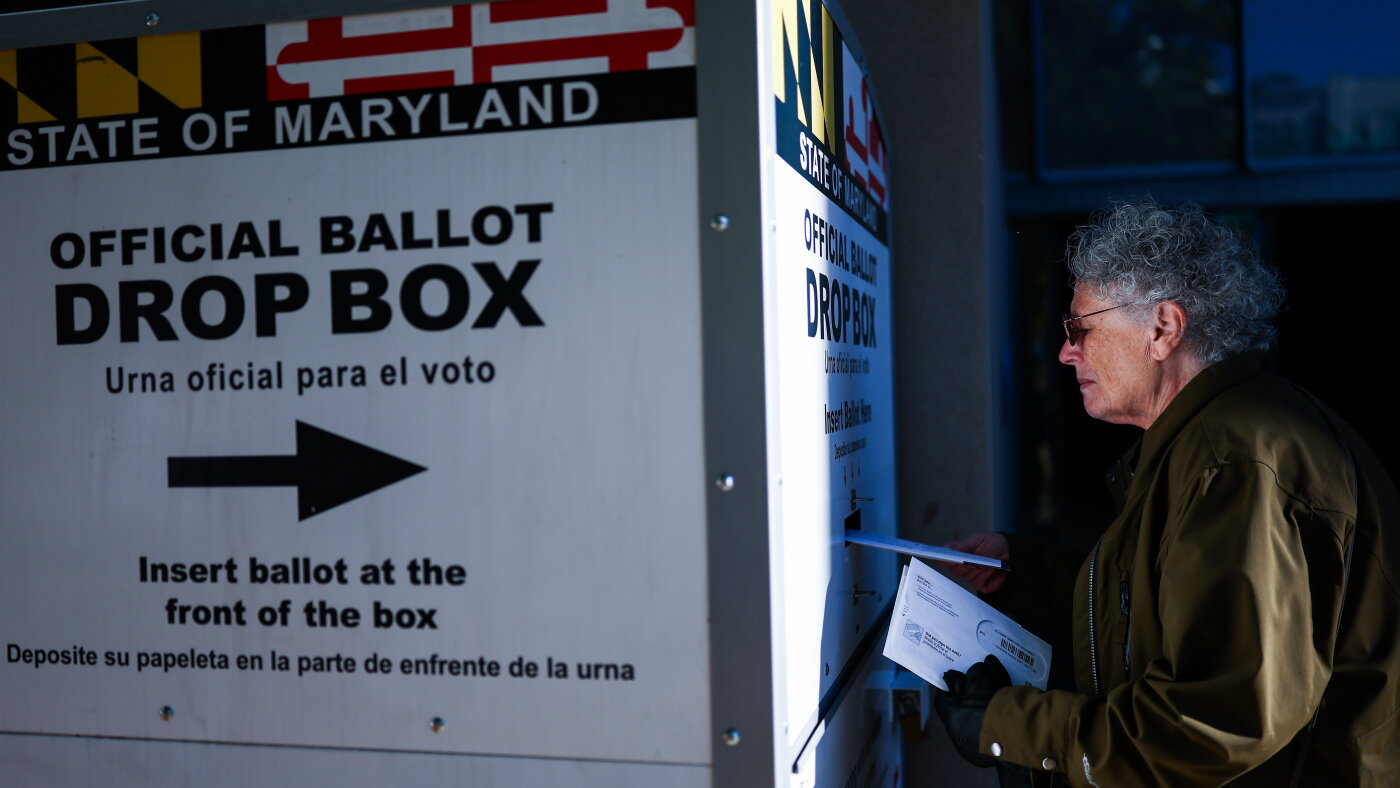
Early Voting Hits 21 Million as Most Trust Midterm Accuracy
Millions have already voted early as parties make final appeals amid $1.4 billion in ad spending; polls show confidence in election accuracy.
The Compass
You just read five takes on one story.
What's your take? Find your political shape in a few minutes.
Take the test