
Trump Signals Deeper Troop Cuts in Germany Beyond Pentagon Plan

Cover image from bbc.com, which was analyzed for this article
President Trump announced plans to cut US troops in Germany 'way down' beyond initial withdrawals, alarming top Republicans who warn it sends the wrong signal to Russia. The move heightens concerns amid global tensions including the Iran war.
PoliticalOS
Sunday, May 3, 2026 — Politics
The Trump administration is accelerating a long-discussed reduction of U.S. forces in Germany as part of a larger strategic shift toward the Indo-Pacific, even as key Republicans worry it could embolden Moscow before European allies fully stand up new capabilities. Germany and NATO have responded with statements of preparedness and renewed calls for higher European spending, which is already rising. The single most important reality is that this is not a sudden abandonment but a continuation of policy tensions that predate the current Iran disputes: how much American blood and treasure should underwrite European security when those allies are finally increasing their own defense budgets.
What outlets missed
Both BBC and Newsmax underplayed the Pentagon's explicit rationale that the cuts stem from a formal review of shifting theater requirements, especially the long-term U.S. pivot toward containing China in the Indo-Pacific. The articles gave minimal attention to the fact that withdrawing 5,000 troops would return Germany levels close to those maintained before Russia's 2022 invasion of Ukraine, framing the move instead as either alarmingly abrupt or boldly punitive. Coverage also skimped on specifics about unaffected strategic assets such as Ramstein Air Base, which German officials described as irreplaceable for both nations, and offered little data on how Europe's recent defense spending surge (including Germany's projected 3.1 percent of GDP) might eventually offset the reductions. Finally, neither fully reconciled Trump's Iran-related grievances with the separate strategic case for reallocating forces away from a continent now spending more on its own security.
Trump Vows Even Deeper Cuts to US Forces in Germany Amid Republican Revolt
President Donald Trump said Saturday he intends to slash American troop numbers in Germany “way down,” going well beyond the Pentagon’s already controversial decision to withdraw 5,000 soldiers, as a bitter transatlantic rift widens over trade, the Middle East and Europe’s dependence on Washington for its defense.
The remarks came one day after the Pentagon announced the reduction from the roughly 36,000 active-duty troops currently stationed in Germany. Pentagon spokesman Sean Parnell described the move as the result of a “thorough review” that took into account “theater requirements and conditions on the ground.” Completion is expected within six to twelve months. Yet Trump made clear the 5,000 figure is only a starting point. “We’re going to cut way down, and we’re cutting a lot further than 5,000,” he told reporters, offering no further details on numbers or timeline.
The decision has exposed sharp divisions within the Republican Party and fresh tensions with European allies already strained by Trump’s threat to raise tariffs on European Union cars and trucks from 15 percent to 25 percent next week. The tariff hike, Trump said, was punishment for Europe’s alleged failure to honor a trade deal signed last summer. That economic pressure coincides with a public spat between Trump and German Chancellor Friedrich Merz, who recently accused Iran of “humiliating” Washington at the negotiating table over the Middle East conflict.
Two of the most powerful Republicans on Capitol Hill wasted little time in condemning the troop reduction. Senate Armed Services Committee Chairman Roger Wicker and House Armed Services Committee Chairman Mike Rogers issued a joint statement expressing “very serious concern” that pulling a brigade out of Germany would undermine deterrence against Russia at precisely the moment European allies claim to be increasing their own defense spending.
“Prematurely reducing America’s forward presence in Europe before those capabilities are fully realised risks undermining deterrence and sending the wrong signal to Vladimir Putin,” the two lawmakers said. Rather than withdrawing forces entirely, they argued, the 5,000 troops should be repositioned further east within the continent to maintain pressure on Moscow.
Their criticism was echoed, from the other side of the aisle, by Representative Adam Smith, the top Democrat on the House Armed Services Committee. Smith called the decision “not grounded in any coherent US national security policy, strategy, or even analysis,” suggesting it appeared driven more by personal grievance than strategic necessity.
German officials struck a more resigned tone. Defense Minister Boris Pistorius told reporters the withdrawal “was to be expected,” while also stressing that the presence of American soldiers in Europe remains in Germany’s interest as well as America’s. Chancellor Merz’s government has nevertheless watched the unfolding events with unease. The NATO alliance said it was seeking urgent clarification from Washington. A statement from the alliance noted that the adjustment “underscores the need for Europe to continue to invest more in defense and take on a greater share of the responsibility for our shared security.”
The episode reveals deeper contradictions in Washington’s approach to Europe. For decades the United States has maintained a massive military footprint on the continent long after the Cold War ended, a commitment that has cost American taxpayers hundreds of billions of dollars while allowing many European governments to underfund their own militaries. Trump has long called this arrangement unfair, arguing that Washington should not indefinitely subsidize the defense of wealthy allies who run trade surpluses with the United States.
Yet the sudden manner of the cut, tied to personal spats over Iran policy and car tariffs, has unnerved even traditional hawks in his own party. Wicker and Rogers are not isolationists; they represent the dominant Republican view that Russia remains a serious threat requiring robust American forward deployment. Their call to shift troops eastward rather than bring them home reflects a belief that any reduction in overall U.S. presence would embolden Moscow, particularly as the war in Ukraine grinds on and European rearmament proceeds more slowly than promised.
Critics of permanent U.S. bases in Europe, however, see an opportunity in the chaos. The continent’s largest economies have grown complacent behind the American security umbrella. Germany, in particular, has repeatedly fallen short of NATO’s two-percent-of-GDP defense spending target. If Trump’s blunt transactional approach forces Europe to finally shoulder more of the burden, it could, paradoxically, produce a more balanced transatlantic relationship, one less centered on Washington’s military power and more on genuine partnership.
For now, the picture is one of confusion and conflicting signals. NATO is scrambling for details. Congressional leaders from both parties question the strategic logic. European officials alternate between saying the cuts were predictable and warning they could weaken collective defense. Trump, meanwhile, appears to treat troop levels as just another negotiating lever, to be traded against tariffs, Iran policy, or perceived slights from Chancellor Merz.
Whether this approach ultimately strengthens American security or simply accelerates the fraying of the post-war alliance remains to be seen. What is already clear is that decisions with profound implications for European stability and U.S. global posture are being made with little apparent regard for strategic coherence, driven instead by the president’s personal grievances and deal-making instincts. The 5,000 troops leaving Germany may be only the beginning.
You just read Progressive's take. Want to read what actually happened?
More in Politics

Trump Defends Ramaswamy Ad Using Estranged Mother in Ohio Race
President Trump defended a GOP nominee's ad featuring a Democratic opponent's estranged mother, calling it powerful, while drawing criticism from some Republicans including Ohio Gov. Mike DeWine. The ad has sparked internal GOP tensions ahead of midterms.
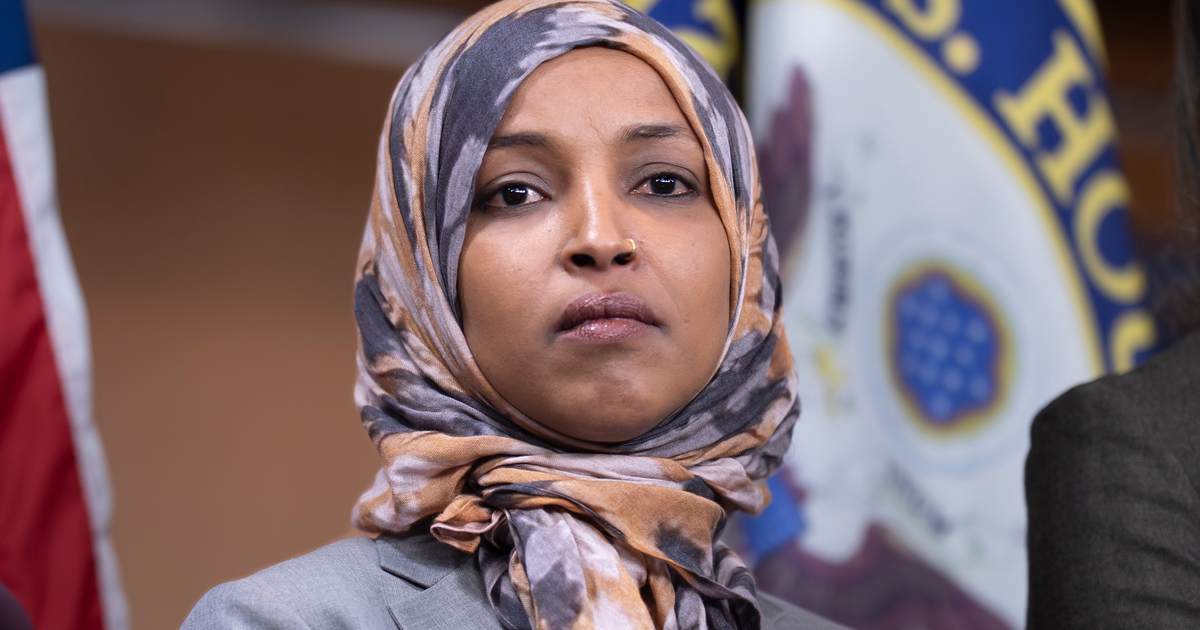
Federal Raid Targets Omar Amid Unresolved Name and Marriage Allegations
Agents searched Rep. Ilhan Omar's DC residence over immigration fraud allegations; she called it bizarre. Reports and commentary questioned her birth name and past marriage details.

Supreme Court Upholds New Hampshire Student ID Voting Ban
The Supreme Court upheld New Hampshire's ban on student IDs as valid voter identification just before midterms, affecting a tight Senate race.
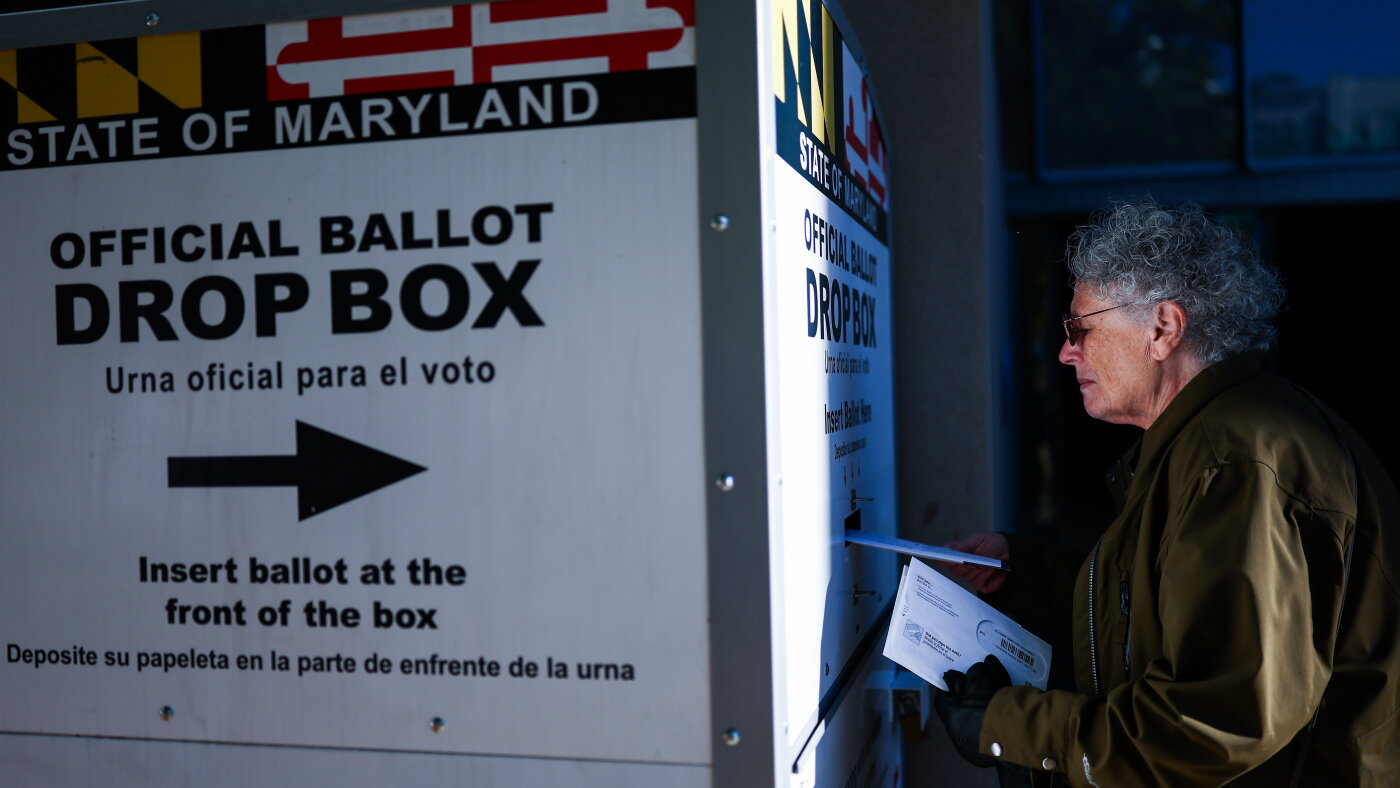
Early Voting Hits 21 Million as Most Trust Midterm Accuracy
Millions have already voted early as parties make final appeals amid $1.4 billion in ad spending; polls show confidence in election accuracy.
The Compass
You just read five takes on one story.
What's your take? Find your political shape in a few minutes.
Take the test