
Trump-Backed Letlow Tops Louisiana Senate Primary After Cassidy Defeat
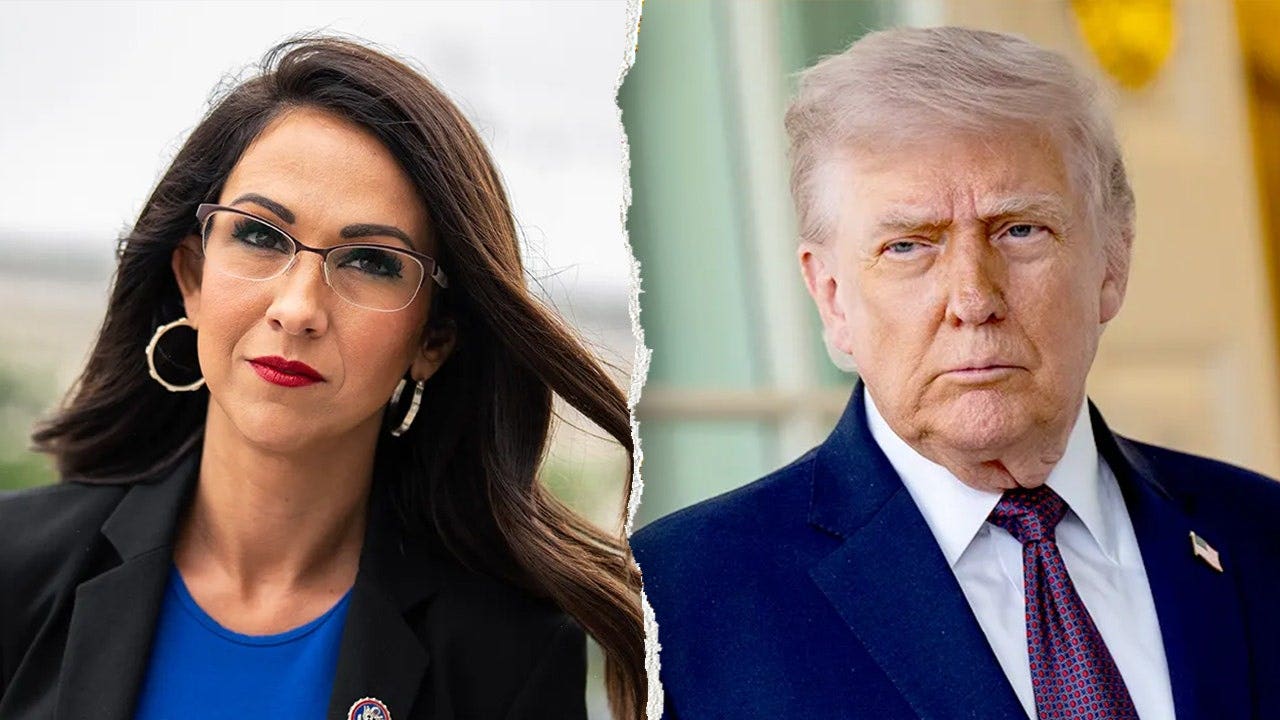
Cover image from foxnews.com, which was analyzed for this article
Cassidy's defeat is viewed as a warning to other Republicans who defy Trump. Party figures note the political cost of opposing the former president's agenda ahead of midterms.
PoliticalOS
Sunday, May 17, 2026 — Politics
Cassidy’s primary defeat illustrates the concrete electoral cost Republicans now face for recorded opposition to Trump, while the simultaneous pressure on Massie and Boebert shows the reach of that pressure into House races. The June runoff and Kentucky primary will test whether Trump’s preferred candidates consolidate support or split the same voter base.
What outlets missed
Most coverage omitted Cassidy’s specific 2021 impeachment vote as the documented trigger for Trump’s sustained criticism, leaving readers without the recorded Senate roll call that preceded the primary challenge. Few outlets detailed the closed-primary rule change in Louisiana or the $1 million in outside spending tied to health-policy disputes. Coverage also underplayed Cassidy’s continued ability, as a lame duck, to affect nominations through the HELP Committee in a narrowly divided Senate.
Trump Uses Cassidy Defeat to Pressure Massie and Other GOP Critics
President Donald Trump moved quickly to turn a primary victory in Louisiana into a broader warning for Republican lawmakers who have resisted his agenda. Hours after Sen. Bill Cassidy failed to advance in his state's Senate primary, Trump singled out Rep. Thomas Massie of Kentucky as a more serious target, urging voters there to remove him from office and labeling him the most unreliable Republican in Congress.
Trump's post on Truth Social framed Cassidy's loss as punishment for voting to impeach him years earlier. He described the outcome as unprecedented for a sitting senator and tied it directly to what he called disloyalty. The message then pivoted to Massie, whom Trump has long criticized for opposing key administration priorities and for casting independent votes on spending and foreign policy measures. The president called Massie a "grand-stander" and "sleazebag," language that matched his earlier attacks on other internal critics.
The sequence illustrates how Trump is applying the same endorsement strategy that worked against Cassidy to other races. He has already backed a primary challenger to Massie, retired Navy SEAL Ed Gallrein, in Kentucky. By linking the two cases publicly, Trump signaled that past support for his impeachment or resistance to his legislative goals will now carry electoral consequences in Republican primaries.
That pressure has begun to affect even longtime allies. Rep. Lauren Boebert of Colorado, who received an earlier Trump endorsement, appeared at a campaign event with Massie. Trump responded by questioning whether anyone might challenge her and stating he would consider withdrawing his support if a stronger alternative emerged. Boebert defended her decision to back Massie, arguing that voters should decide primaries rather than national figures, but the exchange showed how quickly deviation from the president's preferred line can trigger public rebuke.
Republican Sen. Lindsey Graham of South Carolina described Cassidy's defeat as evidence that opposition to Trump's core priorities leaves little room inside the current party coalition. Graham's comments echoed a broader pattern in which Trump's endorsement has become a dominant factor in low-turnout primaries, where motivated bases can outweigh a candidate's fundraising or institutional record.
The Louisiana result also highlighted limits to that influence. State Treasurer John Fleming, another Trump-friendly contender, split the pro-administration vote with Rep. Julia Letlow, forcing a runoff. Letlow, who carried Trump's endorsement, finished first but did not secure an outright majority, indicating that even backed candidates must still build coalitions beyond the president's core supporters.
For Massie, the stakes are different. He has cultivated a distinct base among libertarian-leaning and fiscal conservative voters in Kentucky who prize his frequent opposition to spending bills and surveillance measures. Whether that support can withstand a well-funded primary challenge backed by the president remains the central question in the race. Trump's intervention has turned the contest into a test of how durable independent streaks remain when national party leadership actively recruits opponents.
The episode fits a recurring cycle in which Trump converts primary outcomes into cautionary tales for the rest of the conference. Lawmakers who once treated his criticism as background noise now face organized efforts to replace them. The result is a Republican Party in which alignment with the former president functions less as one consideration among many and more as a threshold requirement for survival in many districts.
You just read Liberal's take. Want to read what actually happened?
More in Politics

Trump Defends Ramaswamy Ad Using Estranged Mother in Ohio Race
President Trump defended a GOP nominee's ad featuring a Democratic opponent's estranged mother, calling it powerful, while drawing criticism from some Republicans including Ohio Gov. Mike DeWine. The ad has sparked internal GOP tensions ahead of midterms.
Federal Raid Targets Omar Amid Unresolved Name and Marriage Allegations
Agents searched Rep. Ilhan Omar's DC residence over immigration fraud allegations; she called it bizarre. Reports and commentary questioned her birth name and past marriage details.

Supreme Court Upholds New Hampshire Student ID Voting Ban
The Supreme Court upheld New Hampshire's ban on student IDs as valid voter identification just before midterms, affecting a tight Senate race.
Early Voting Hits 21 Million as Most Trust Midterm Accuracy
Millions have already voted early as parties make final appeals amid $1.4 billion in ad spending; polls show confidence in election accuracy.
The Compass
You just read five takes on one story.
What's your take? Find your political shape in a few minutes.
Take the test