
Trump Endorsements Tested Against GOP Incumbents in Indiana, Ohio Primaries

Cover image from npr.org, which was analyzed for this article
Indiana and Ohio voters went to the polls for primaries where Trump endorsed challengers to Republican incumbents who defied him on issues like redistricting. The races offer a key gauge of Trump's post-2024 sway over the party. Outcomes could foreshadow 2026 midterm battles.
PoliticalOS
Tuesday, May 5, 2026 — Politics
These primaries offer an early, imperfect gauge of Trump's ability to enforce loyalty on redistricting and related fights inside the GOP, yet local incumbency advantages, low turnout and arguments over states' rights often blunt such efforts in down-ballot races. Clear victories for endorsed challengers could signal aggressive national involvement in 2026 legislative maps, while mixed results would underscore limits even in ruby-red states. The most important reality is that structural Republican edges in Ohio and Indiana persist despite any midterm headwinds, making these contests one data point rather than a definitive verdict on party control.
What outlets missed
Most outlets framed the Indiana contests as a personality-driven test of Trump popularity or retribution but downplayed or omitted the targeted senators' explicit arguments that mid-decade redistricting violated conservative principles of states' rights and the 10th Amendment. Only scattered references noted the precise December 2025 vote tally of 31-19 against the maps, with 21 GOP no votes, which showed the opposition was broader than the seven or eight ultimately challenged. Coverage also rarely mentioned Trump's overall primary endorsement win rate hovering near 23 percent historically, or GOP base approval ratings near 85 percent in some polls, facts that temper narratives of widespread vulnerability. The Washington Examiner skipped the primaries entirely to report on unrelated Federal Reserve nominations and inflation pressures from the Iran conflict.
Trump Tests His Grip on the GOP With Primary Challenges Rooted in Gerrymandering Disputes
In Indiana and Ohio on Tuesday, voters in Republican-dominated states will deliver one of the first concrete measures of how much sway President Trump retains over his party midway through a second term marked by low approval ratings and policy stumbles. The contests are less about national policy than about loyalty, with Trump and his allies pouring millions into efforts to unseat GOP state senators who blocked a congressional map that would have delivered two additional Republican seats in the House. The primaries also preview competitive fall races in Ohio, where Democrats sense an opening to flip Senate and gubernatorial seats amid public unease with Trump’s agenda.
The Indiana state Senate races stand out for their unusual intensity. Last year, eight Republican senators voted against a redistricting plan heavily promoted by Trump and his political operation. The proposal would have redrawn Indiana’s congressional boundaries to favor the GOP in a state that already leans solidly Republican. When those senators held firm, it frustrated an effort to expand the party’s narrow House majority heading into the 2026 midterms. Trump responded by endorsing primary challengers to seven of the eight incumbents. His allies have spent between $6 million and $11.8 million on the races, according to ad tracking firms, flooding districts with attacks that portray the senators as disloyal.
This is not typical territory for presidential intervention. State legislative primaries rarely draw White House attention or outside money on this scale. Yet Trump has made clear that crossing him on redistricting carries consequences. The episode reflects a broader pattern in his second term: an emphasis on personal fidelity over other forms of governing competence or institutional restraint. Several of the targeted senators are longtime incumbents with local popularity, making the challenges genuine tests of whether Trump’s endorsement remains a decisive weapon or has been dulled by his overall unpopularity.
The backdrop includes last week’s Supreme Court decision weakening Section 2 of the Voting Rights Act. That ruling could open the door for Republican-led states to dismantle majority-minority districts, intensifying what has become a national redistricting arms race. In Indiana, the failed map was part of that contest. Had it passed, it would have further entrenched GOP advantages in the House. Its defeat, and the subsequent purge effort, illustrates how redistricting has shifted from a once-per-decade technical exercise into a continuous partisan weapon. Courts have repeatedly rejected overly aggressive maps in recent cycles; the new legal landscape may encourage even bolder attempts in the years ahead.
Ohio offers a different but related picture. The state’s primaries will set the stage for what analysts expect to be among the most competitive gubernatorial and Senate races of the 2026 midterms. Republican voters will largely decide whether Vivek Ramaswamy, the biotech entrepreneur and former presidential candidate, becomes their nominee for governor. Ramaswamy, who carries Trump’s endorsement and the state party’s backing, has run a campaign focused on national conservative themes while positioning himself against Dr. Amy Acton, the former state health director who is running unopposed on the Democratic side. Acton’s profile as a public health voice during the pandemic gives her appeal in a state where Trump’s handling of health and economic issues has left scars.
Ohio Republicans also face a crowded primary to challenge vulnerable Democratic Rep. Marcy Kaptur, while the state’s Senate race has drawn national interest as Democrats see a path to eroding GOP control of the chamber. New legislative maps, drawn after years of court battles, include only minor changes and are not uniformly favorable to Republicans. That fact, combined with Trump’s record-low approval ratings, has created an opening for Democrats in a state that once seemed safely red.
The broader political environment is unfavorable for the president’s party. Trump’s second term has been defined by an agenda that has produced visible economic strain, including inflation pressures tied to international conflicts. His approval ratings hover at levels that historically spell trouble for the president’s party in midterms. In this climate, the Indiana retribution campaign risks looking like a distraction from the practical work of governing or appealing to swing voters. Even some Republican strategists quietly worry that prioritizing purity tests over electability could cost the party seats it might otherwise hold.
At the same time, the heavy spending and presidential focus demonstrate that Trump retains significant leverage within the GOP base. If his endorsed challengers prevail in Indiana, it will reinforce the idea that defying him on core priorities, even when those priorities involve aggressive map-drawing, is politically perilous. Should several incumbents survive, it may signal that Trump’s influence, while still formidable, is not absolute, particularly when voters are focused on local records rather than national grievances.
These contests arrive at a moment when American democracy’s mechanics, from redistricting to primary elections, feel increasingly strained. The Supreme Court’s recent move on the Voting Rights Act removes one of the few remaining guardrails against the most extreme partisan mapmaking. In that environment, Tuesday’s results in Indiana and Ohio will not merely settle local races. They will offer an early indication of whether the Republican Party continues to consolidate around Trump’s brand of personal loyalty or whether the practical demands of winning general elections, and governing afterward, can still create space for internal dissent.
The outcomes will also shape the battlefield for November. Republicans are defending slim majorities in both chambers of Congress. If Democratic gains in Ohio materialize, the path to reclaiming the Senate could run through the Midwest. For Trump, the night will be measured in simpler terms: how many officials who crossed him are removed, and whether his chosen candidates can convert his endorsement into victories. In a polarized system already warped by gerrymandering and weakened voting protections, those personal score-settling efforts carry consequences far beyond one primary night.
You just read Liberal's take. Want to read what actually happened?
More in Politics

Trump Defends Ramaswamy Ad Using Estranged Mother in Ohio Race
President Trump defended a GOP nominee's ad featuring a Democratic opponent's estranged mother, calling it powerful, while drawing criticism from some Republicans including Ohio Gov. Mike DeWine. The ad has sparked internal GOP tensions ahead of midterms.
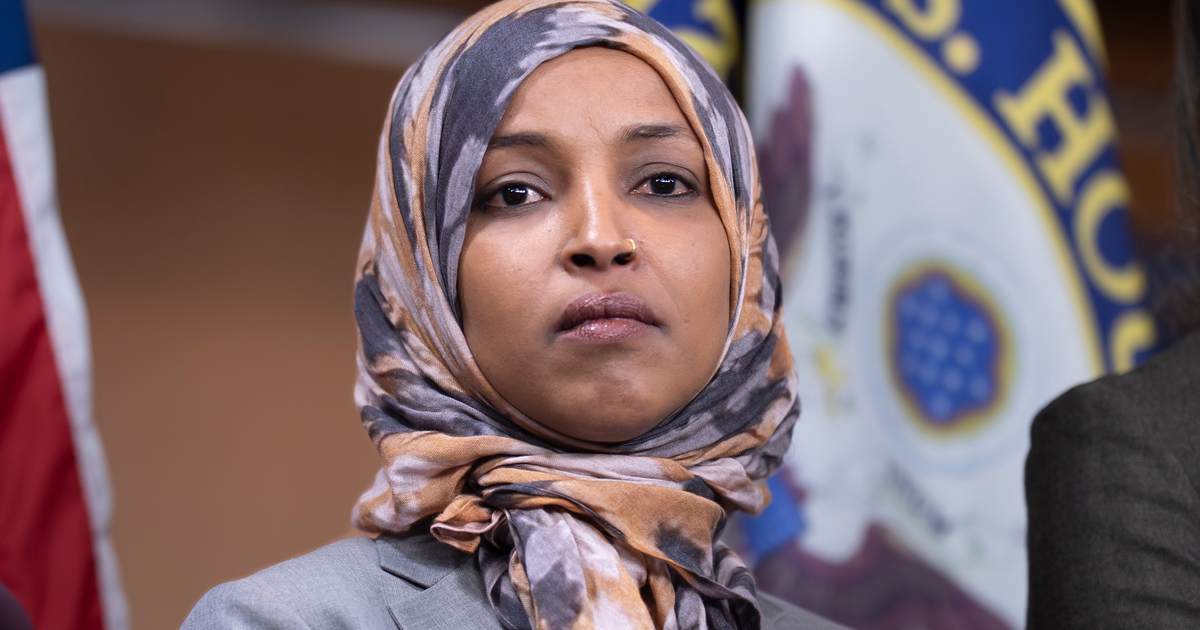
Federal Raid Targets Omar Amid Unresolved Name and Marriage Allegations
Agents searched Rep. Ilhan Omar's DC residence over immigration fraud allegations; she called it bizarre. Reports and commentary questioned her birth name and past marriage details.

Supreme Court Upholds New Hampshire Student ID Voting Ban
The Supreme Court upheld New Hampshire's ban on student IDs as valid voter identification just before midterms, affecting a tight Senate race.
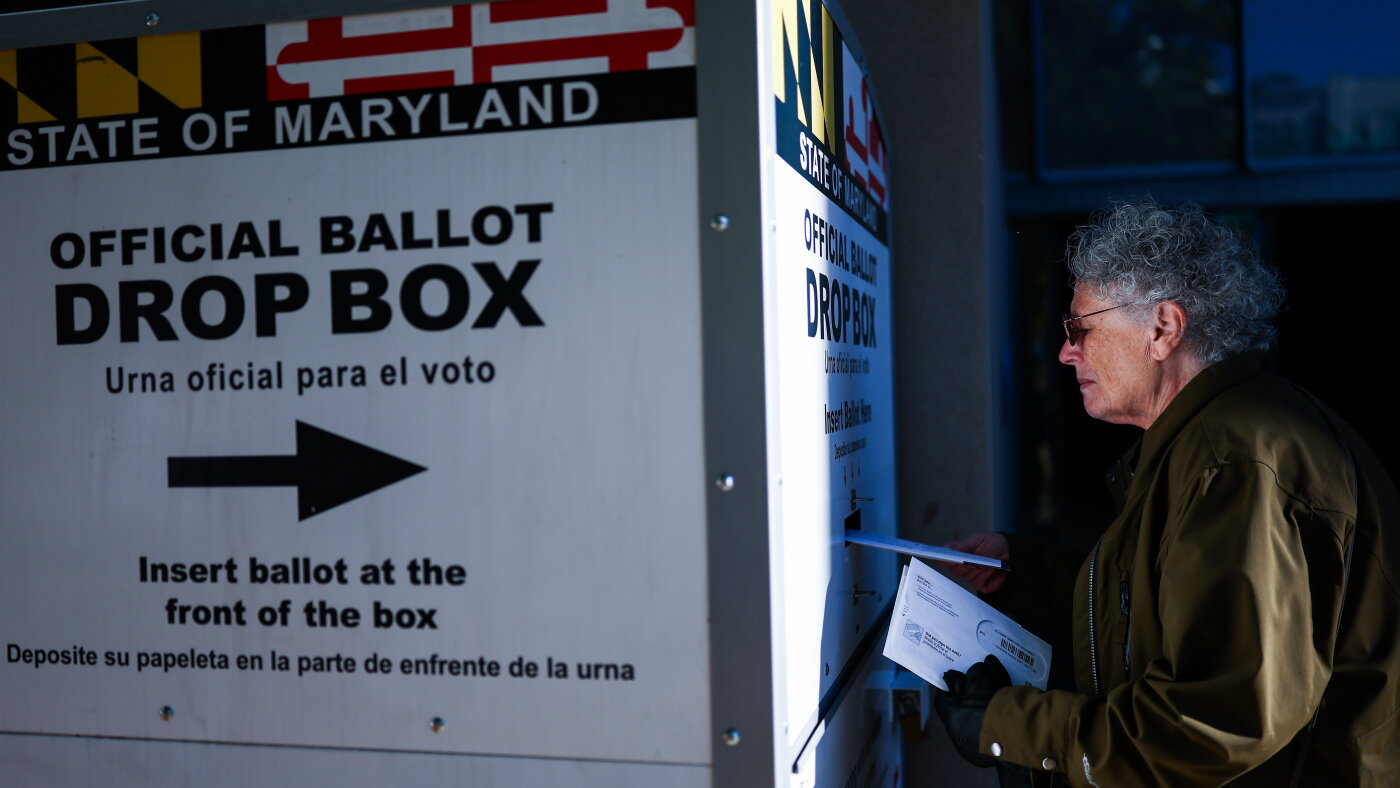
Early Voting Hits 21 Million as Most Trust Midterm Accuracy
Millions have already voted early as parties make final appeals amid $1.4 billion in ad spending; polls show confidence in election accuracy.
The Compass
You just read five takes on one story.
What's your take? Find your political shape in a few minutes.
Take the test