
Trump Endorsements Tested Against GOP Incumbents in Indiana, Ohio Primaries

Cover image from npr.org, which was analyzed for this article
Indiana and Ohio voters went to the polls for primaries where Trump endorsed challengers to Republican incumbents who defied him on issues like redistricting. The races offer a key gauge of Trump's post-2024 sway over the party. Outcomes could foreshadow 2026 midterm battles.
PoliticalOS
Tuesday, May 5, 2026 — Politics
These primaries offer an early, imperfect gauge of Trump's ability to enforce loyalty on redistricting and related fights inside the GOP, yet local incumbency advantages, low turnout and arguments over states' rights often blunt such efforts in down-ballot races. Clear victories for endorsed challengers could signal aggressive national involvement in 2026 legislative maps, while mixed results would underscore limits even in ruby-red states. The most important reality is that structural Republican edges in Ohio and Indiana persist despite any midterm headwinds, making these contests one data point rather than a definitive verdict on party control.
What outlets missed
Most outlets framed the Indiana contests as a personality-driven test of Trump popularity or retribution but downplayed or omitted the targeted senators' explicit arguments that mid-decade redistricting violated conservative principles of states' rights and the 10th Amendment. Only scattered references noted the precise December 2025 vote tally of 31-19 against the maps, with 21 GOP no votes, which showed the opposition was broader than the seven or eight ultimately challenged. Coverage also rarely mentioned Trump's overall primary endorsement win rate hovering near 23 percent historically, or GOP base approval ratings near 85 percent in some polls, facts that temper narratives of widespread vulnerability. The Washington Examiner skipped the primaries entirely to report on unrelated Federal Reserve nominations and inflation pressures from the Iran conflict.
Trump's Retribution Campaign Tests His Sway as GOP Voters Head to Polls in Indiana and Ohio
In Indiana and Ohio voters head to the polls Tuesday in primaries that offer an early measure of President Donald Trump's enduring grip on the Republican Party at a moment when his second-term agenda is fueling record-low approval ratings and energizing Democratic opposition. While the contests span everything from governor's races to state senate seats the most striking storyline is Trump's direct intervention in Indiana where he is pouring resources into ousting eight Republican state senators who last year blocked his allies' attempt to redraw congressional maps in ways that would have handed the GOP two additional House seats.
The redistricting fight five months ago exposed rare cracks in a state legislature dominated by Republicans. Eight GOP senators defied intense pressure from Trump and outside groups and voted down the map changes which would have further tilted an already favorable playing field. Now Trump has endorsed primary challengers to seven of those incumbents. His political operation and allied groups have flooded the races with more than 11 million dollars in advertising and direct mail according to trackers like AdImpact a staggering sum for state legislative contests that normally draw little outside attention. The spending blitz includes attack ads portraying the targeted senators as disloyal to the president and the party's priorities.
This is not ordinary party infighting. It is an explicit campaign of retribution from a president who has made clear he will not tolerate even limited resistance within his own ranks. The Indiana episode arrives one week after a Supreme Court ruling that weakened Section 2 of the Voting Rights Act potentially opening the door for Republican-led states to dismantle majority-minority districts. That decision only heightens the stakes of the redistricting wars that have defined the run-up to the 2026 midterms. Republicans currently cling to slim majorities in both the House and Senate and appear determined to use every procedural tool available to expand their advantage even if it means punishing members of their own party for occasional adherence to institutional norms.
Indiana's primaries also test whether Trump's personal brand remains potent enough to overcome the popularity of longtime incumbents. Several of the targeted senators have deep roots in their districts and have cultivated reputations for independence on certain issues. Yet the sheer volume of outside money and the weight of a presidential endorsement could prove decisive in a state that has become a reliable Republican stronghold. Trump has similarly backed candidates who supported the redistricting effort including two incumbents facing challenges from even further to the right illustrating how the party continues to reward ideological purity and personal fealty.
Across the border in Ohio the primaries carry different implications but still reflect the political environment shaped by Trump's unpopularity. The state is set to feature competitive general-election battles for governor and U.S. Senate this fall with Democrats sensing an opening to flip seats amid widespread discontent with the president's agenda. On the Republican side biotech entrepreneur and former presidential candidate Vivek Ramaswamy is heavily favored to secure the gubernatorial nomination. Ramaswamy a Trump ally who cleared the field with the backing of the state party has spent much of the campaign already pivoting toward the general election against Democrat Amy Acton the former state health director running unopposed. Acton has positioned herself as a principled alternative and could benefit if voter fatigue with national Republican leadership persists.
Ohio's Senate and House primaries will also set the stage for expensive and closely watched November contests. Republicans are defending a vulnerable House map and Democrats see pathways to compete in a state that has trended right but still contains pockets of resistance. The new congressional maps drawn after earlier versions were struck down by courts contain only minor changes and in some cases do not maximize Republican advantage a reminder that even in red states judicial oversight and public backlash can constrain the most aggressive gerrymandering efforts.
Taken together the contests in Indiana and Ohio serve as a temperature check on multiple fronts. They reveal a Republican Party still largely subordinate to Trump yet occasionally capable of internal pushback when core institutional questions arise. They also highlight how the president's second term has so far failed to deliver the broad popularity that would insulate him from midterm headwinds. With energy prices soaring after the war with Iran and inflation expectations rising Trump's approval has sunk to levels that give Democrats hope they can reclaim ground in states like Ohio.
For all the attention on Trump's endorsement power and spending the deeper story is the willingness of one faction of the GOP to treat redistricting as a purely partisan weapon and to punish anyone who slows that project. Whether Republican voters ratify that approach or show any appetite for accountability will begin to become clear Tuesday night. The results will echo far beyond state capitols shaping strategy for the bruising midterm battles that lie ahead in a country already exhausted by political warfare.
You just read Progressive's take. Want to read what actually happened?
More in Politics
Trump at 32% Approval as Gas Prices Test GOP Midterm Hopes
NYT/Siena polling showed Trump's approval at historic lows around 32 percent with Democrats leading by double digits in key districts. Early voting has surged in battleground states.

Record Early Voting Hits Battlegrounds, Shifting Partisan Shares
AP analysis found hundreds of thousands more early ballots than in 2022 in states including Texas, Ohio, Kansas, Maine, and North Carolina, shifting partisan dynamics.
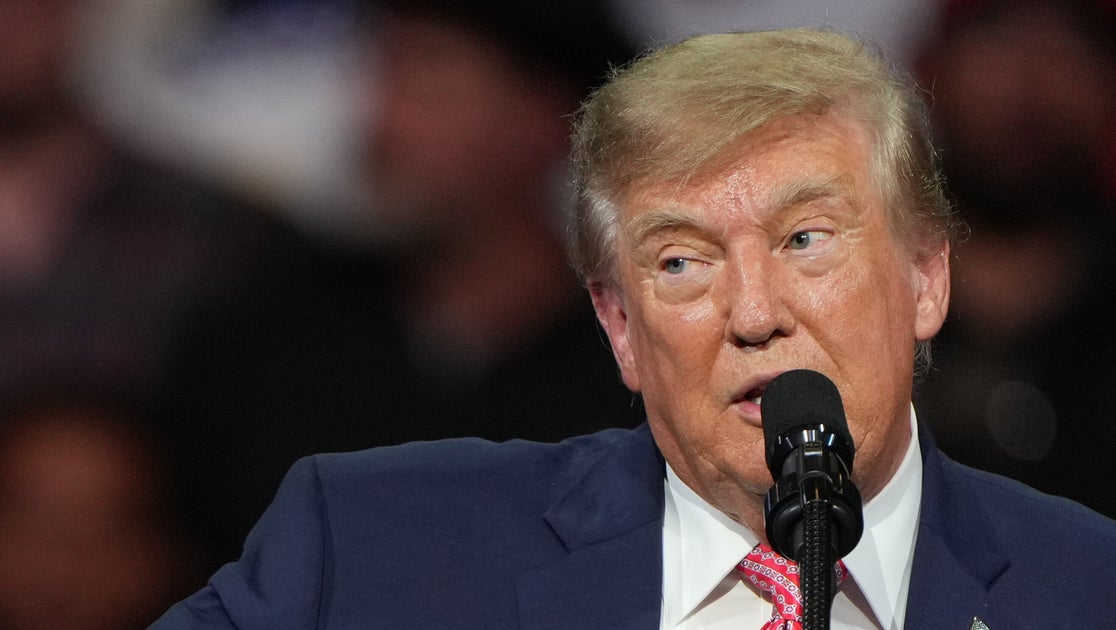
Trump Backs Marshall in Kansas Senate Race Tightened by Farm Costs
President Trump rallied in deep-red Kansas for GOP Sen. Roger Marshall in a competitive race, announcing an $8 billion farm fuel relief program amid high diesel prices. Democrats see an opening to end 94 years of GOP dominance in the state.

Trump Pauses Russia Sanctions Amid Ukraine Tensions and Missile Strikes
Trump waived sanctions on Russia and floated trilateral talks with Putin and Xi as part of ending the Ukraine war, while tensions rose with Zelenskyy over Starlink and arms. Bipartisan senators engaged Zelenskyy amid the shifts.
The Compass
You just read five takes on one story.
What's your take? Find your political shape in a few minutes.
Take the test