
Democrats Target $1.8 Billion DOJ Fund as GOP Stalls Border Bill
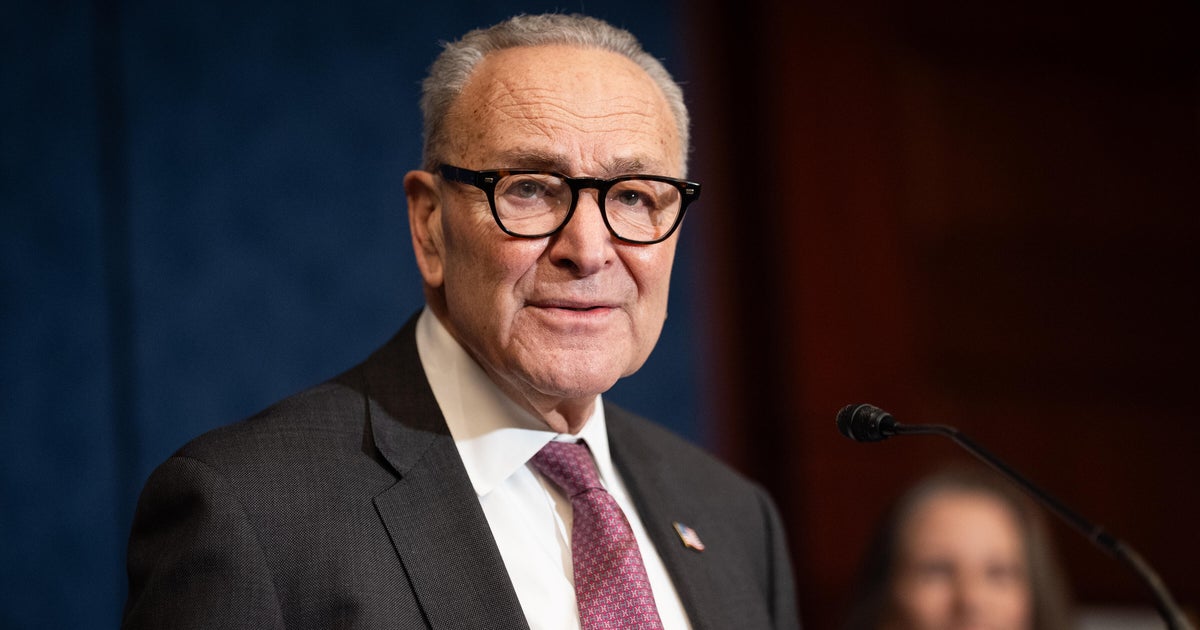
Cover image from cbsnews.com, which was analyzed for this article
Trump's major spending bill extending tax cuts and boosting defense and border funding advanced narrowly in Congress. Senate Democrats launched efforts to block the DOJ's proposed $1.8 billion anti-weaponization fund amid partisan clashes.
PoliticalOS
Monday, June 1, 2026 — Politics
The $1.8 billion fund, created by settlement rather than new appropriation, has frozen a major border funding bill and produced bipartisan procedural resistance. Its future depends on whether the administration accepts eligibility limits or Congress imposes them through reconciliation.
What outlets missed
Most coverage omitted the precise settlement terms that created the fund, including the $10 billion lawsuit amount and the explicit bar on future audits of Trump family returns. Few outlets named the presiding judges or detailed the 35-judge amicus filing that prompted reopening of the case. Republican proposals for concrete guardrails such as judicial review or narrowed eligibility criteria received minimal elaboration beyond general frustration. The absence of these mechanics left readers without the legal baseline needed to assess competing claims about the fund's purpose and oversight.
Senate Democrats Target Trump Compensation Fund as GOP Divisions Emerge
Senate Democrats announced plans Monday to block a nearly $1.8 billion Justice Department fund created through a settlement in a case involving the Internal Revenue Service. Minority Leader Chuck Schumer described the effort as a coordinated push to prevent any payouts, labeling the account a slush fund open to political favoritism. Three Democratic senators introduced separate legislation, the Drain the Slush Fund Act, aimed at prohibiting payments tied to lawsuits brought by the president or vice president.
The fund originated from an out-of-court resolution that established discretionary authority for compensating individuals who claim harm from prior government actions. Critics within both parties have questioned the scale and lack of strict oversight, noting that some payments could reach supporters of former President Trump, including those convicted in connection with the January 6 Capitol events. A federal judge in Virginia issued a temporary block on distributions, and a group of judges filed a related challenge in Florida alleging improper collusion in the underlying settlement.
Senate Republicans returned from recess facing stalled progress on a reconciliation package that includes funding for immigration enforcement. Several GOP senators expressed concerns during a closed-door meeting with acting Attorney General Todd Blanche, arguing that the fund's structure risks diverting resources without sufficient legislative review. Majority Leader John Thune indicated the dispute has complicated efforts to advance border security measures and other priorities before midterm elections.
Public polling cited in multiple reports shows majority opposition to the fund across party lines. Democrats plan to attach amendments during any renewed reconciliation debate or force floor votes through appropriations channels. Schumer stated that no procedural maneuver would shield Republicans from recording positions on the matter.
The episode highlights recurring tensions over large discretionary accounts created through executive branch settlements. Past administrations from both parties have established similar mechanisms, often justified as remedies for alleged overreach, yet these arrangements frequently expand into broader spending programs with limited congressional input. Taxpayers bear the cost regardless of which side holds power, and empirical patterns suggest such funds tend to reward connected interests more reliably than they deliver targeted relief.
Republican divisions stem partly from the immediate need to pass immigration-related spending, which remains unfinished after the Memorial Day recess. House and Senate leaders have advanced competing proposals on housing affordability while the compensation fund sits unresolved. Without clearer limits on eligibility and auditing, the account could absorb additional claims beyond its original scope, adding to federal outlays already projected to grow under current fiscal trends.
Democrats frame their legislation as a safeguard against self-dealing, yet the timing coincides with preparations for 2026 contests where narrow margins in competitive districts could determine chamber control. Historical data on government compensation programs shows that political pressure often influences distribution more than neutral criteria, a pattern consistent across administrations. The current standoff leaves open whether lawmakers will impose tighter statutory boundaries or allow the fund to proceed with only judicial constraints.
You just read Conservative's take. Want to read what actually happened?
More in Politics

Trump Defends Ramaswamy Ad Using Estranged Mother in Ohio Race
President Trump defended a GOP nominee's ad featuring a Democratic opponent's estranged mother, calling it powerful, while drawing criticism from some Republicans including Ohio Gov. Mike DeWine. The ad has sparked internal GOP tensions ahead of midterms.
Federal Raid Targets Omar Amid Unresolved Name and Marriage Allegations
Agents searched Rep. Ilhan Omar's DC residence over immigration fraud allegations; she called it bizarre. Reports and commentary questioned her birth name and past marriage details.

Supreme Court Upholds New Hampshire Student ID Voting Ban
The Supreme Court upheld New Hampshire's ban on student IDs as valid voter identification just before midterms, affecting a tight Senate race.
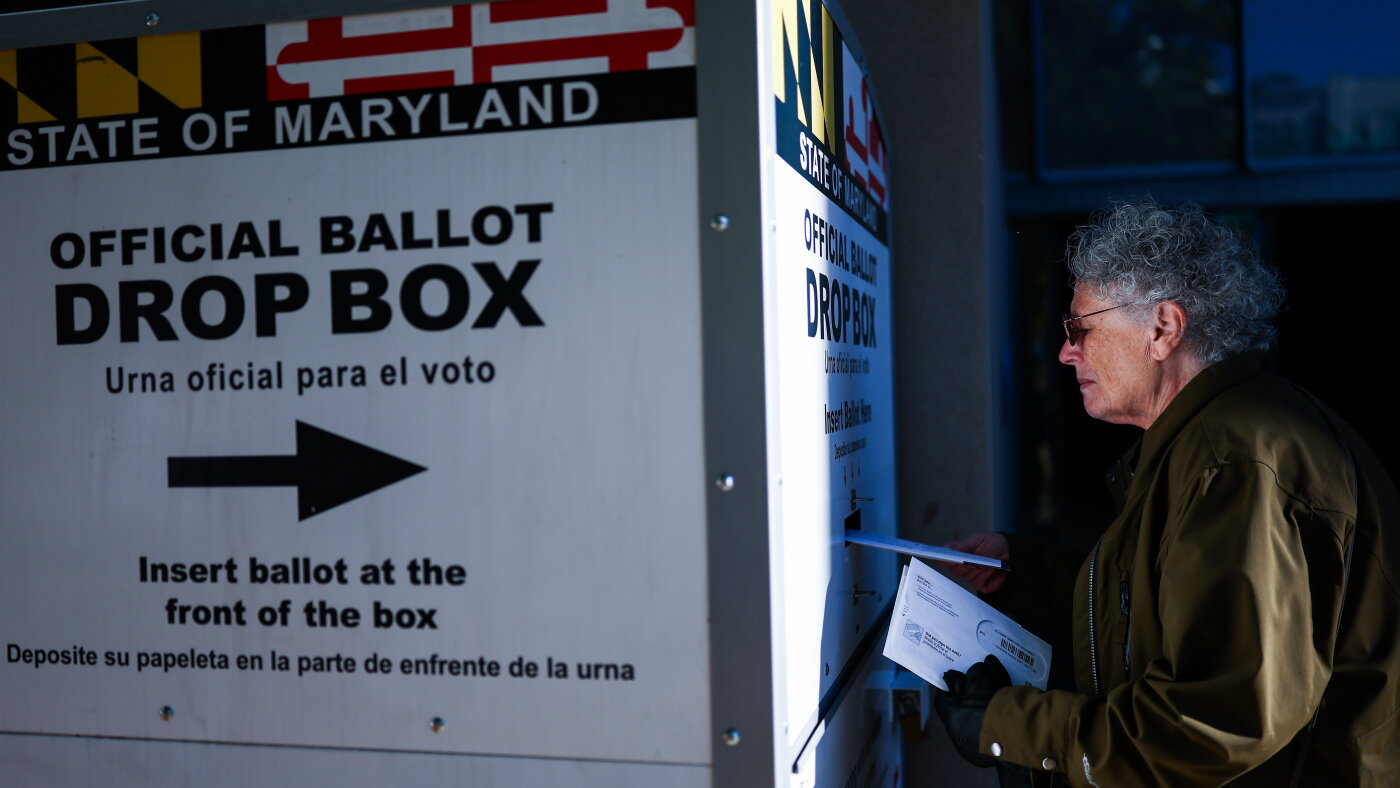
Early Voting Hits 21 Million as Most Trust Midterm Accuracy
Millions have already voted early as parties make final appeals amid $1.4 billion in ad spending; polls show confidence in election accuracy.
The Compass
You just read five takes on one story.
What's your take? Find your political shape in a few minutes.
Take the test