
Democrats Target $1.8 Billion DOJ Fund as GOP Stalls Border Bill
Cover image from cbsnews.com, which was analyzed for this article
Trump's major spending bill extending tax cuts and boosting defense and border funding advanced narrowly in Congress. Senate Democrats launched efforts to block the DOJ's proposed $1.8 billion anti-weaponization fund amid partisan clashes.
PoliticalOS
Monday, June 1, 2026 — Politics
The $1.8 billion fund, created by settlement rather than new appropriation, has frozen a major border funding bill and produced bipartisan procedural resistance. Its future depends on whether the administration accepts eligibility limits or Congress imposes them through reconciliation.
What outlets missed
Most coverage omitted the precise settlement terms that created the fund, including the $10 billion lawsuit amount and the explicit bar on future audits of Trump family returns. Few outlets named the presiding judges or detailed the 35-judge amicus filing that prompted reopening of the case. Republican proposals for concrete guardrails such as judicial review or narrowed eligibility criteria received minimal elaboration beyond general frustration. The absence of these mechanics left readers without the legal baseline needed to assess competing claims about the fund's purpose and oversight.
Democrats Target Trump's $1.8 Billion Payout Fund With Coordinated Senate Push
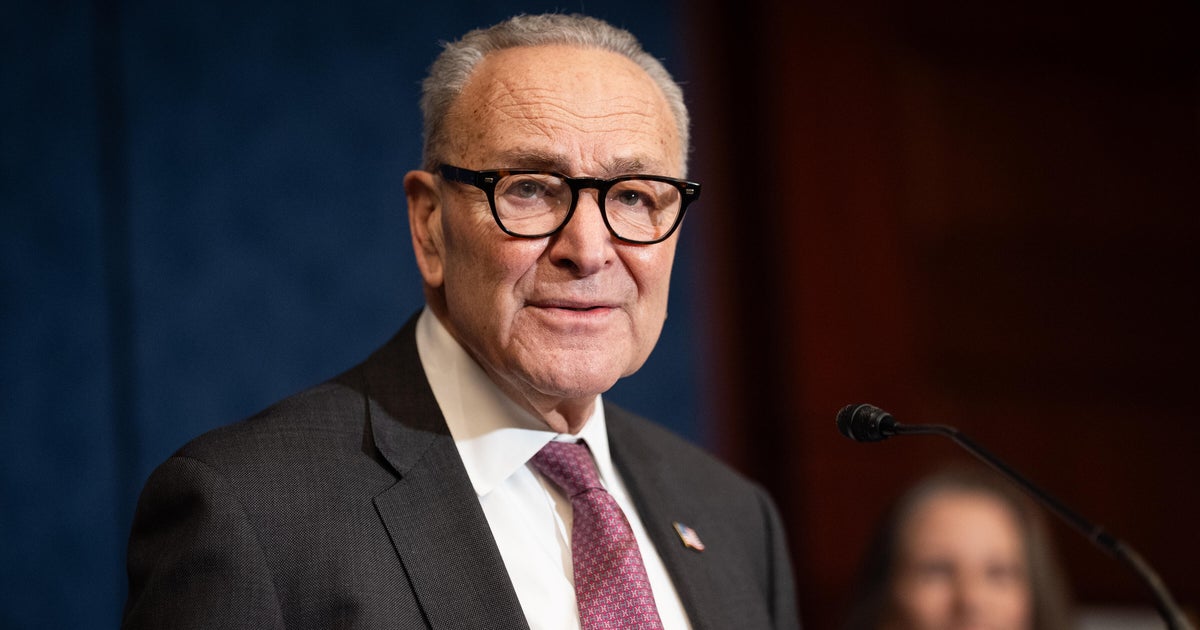
Senate Democrats opened a multi-pronged campaign Monday to dismantle a $1.8 billion settlement fund established by the Justice Department under President Donald Trump, labeling it an unaccountable slush fund that could direct taxpayer money to the president's political allies, including some January 6 defendants. Minority Leader Chuck Schumer laid out the strategy in a letter to colleagues, promising to use every available legislative lever to block disbursements before any funds leave the Treasury.
The fund stems from an out-of-court settlement between Trump and the Internal Revenue Service that created a pool of money for compensating individuals who claim they were targeted by prior government actions. Critics across the political spectrum have described the arrangement as a vehicle for rewarding loyalists, with the potential to benefit those convicted or charged in connection with the Capitol attack. A federal judge in Virginia has already issued a temporary block on payouts, and a separate bipartisan challenge from federal judges in Florida has accused the deal of collusion.
Schumer's letter signaled that Democrats intend to attach amendments during any budget reconciliation process, force floor votes if the matter is buried in other legislation, and challenge the fund through appropriations fights. "There will be no escape hatch," he wrote. Three senators, Adam Schiff of California, Mark Kelly of Arizona and Elissa Slotkin of Michigan, introduced companion legislation they titled the Drain the Slush Fund Act. The bill would prohibit payments tied to lawsuits brought by the president or vice president and make the restrictions retroactive to the start of Trump's term.
Republicans remain split. More than a dozen GOP senators have privately pressed the White House to impose tighter limits on the money, according to multiple reports, while Senate Majority Leader John Thune has expressed frustration that the fund complicates efforts to advance immigration enforcement spending and other priorities. The impasse has already delayed a Homeland Security funding package that Republicans had hoped to clear before Memorial Day. Public polling shows majorities of both parties oppose the fund.
The political stakes extend beyond the current standoff. With control of Congress likely to turn on a handful of competitive seats in the 2026 midterms, Democrats view the fund as a potent line of attack. By compelling Republicans to cast recorded votes on amendments to eliminate or restrict the money, the minority party hopes to create campaign material that ties GOP lawmakers to what Schumer called a "nearly $2 billion MAGA slush fund." Republicans, for their part, have defended the program as a necessary corrective to past government overreach, though internal divisions suggest the defense is uneven.
The dispute also highlights the broader tension between Trump's second-term agenda and institutional guardrails. A judge's intervention and the bipartisan judicial lawsuit underscore concerns that the settlement bypasses normal oversight. Meanwhile, the administration has shown little sign of compromise, leaving Senate Republicans to navigate between White House demands and their own members' unease over the optics of compensating January 6 participants with public dollars.
As lawmakers return to Washington this week, the fund remains the central obstacle to moving other legislation. Democrats have made clear they will not let the issue fade quietly, while Republicans must decide whether to defend the program outright or seek modifications that satisfy enough of their caucus to break the deadlock. The coming votes will test whether the majority can contain the damage or whether the controversy becomes a sustained liability heading into the midterms.
You just read Progressive's take. Want to read what actually happened?
More in Politics
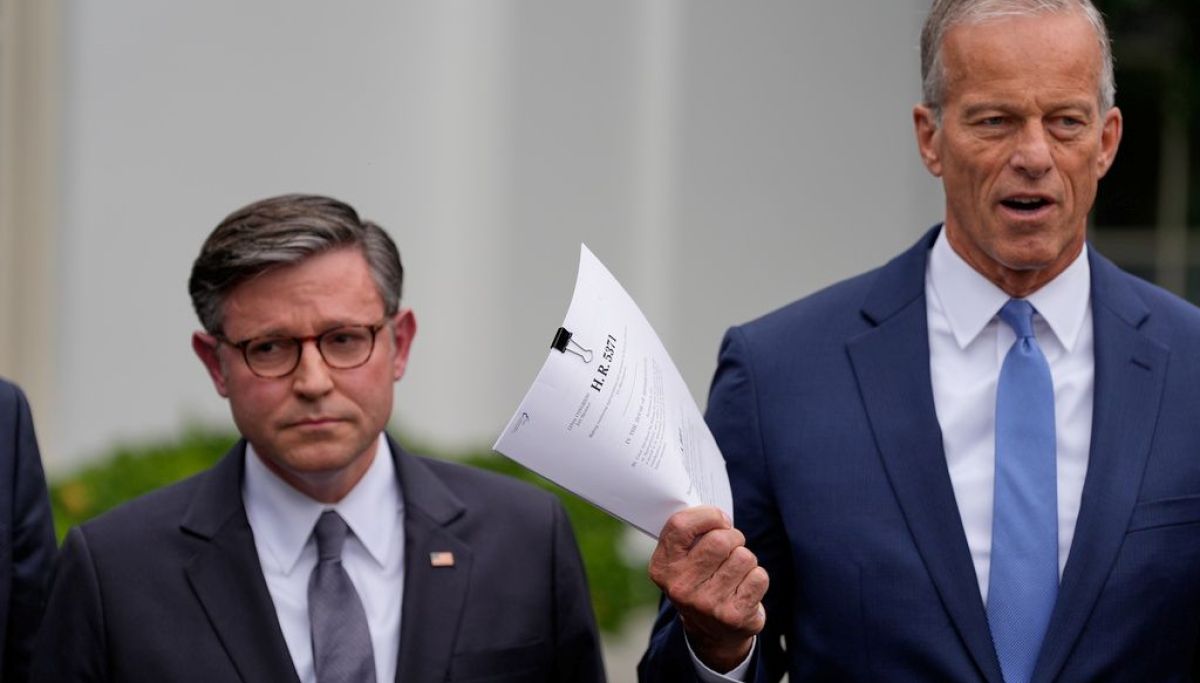
Trump at 32% Approval as Gas Prices Test GOP Midterm Hopes
NYT/Siena polling showed Trump's approval at historic lows around 32 percent with Democrats leading by double digits in key districts. Early voting has surged in battleground states.

Record Early Voting Hits Battlegrounds, Shifting Partisan Shares
AP analysis found hundreds of thousands more early ballots than in 2022 in states including Texas, Ohio, Kansas, Maine, and North Carolina, shifting partisan dynamics.
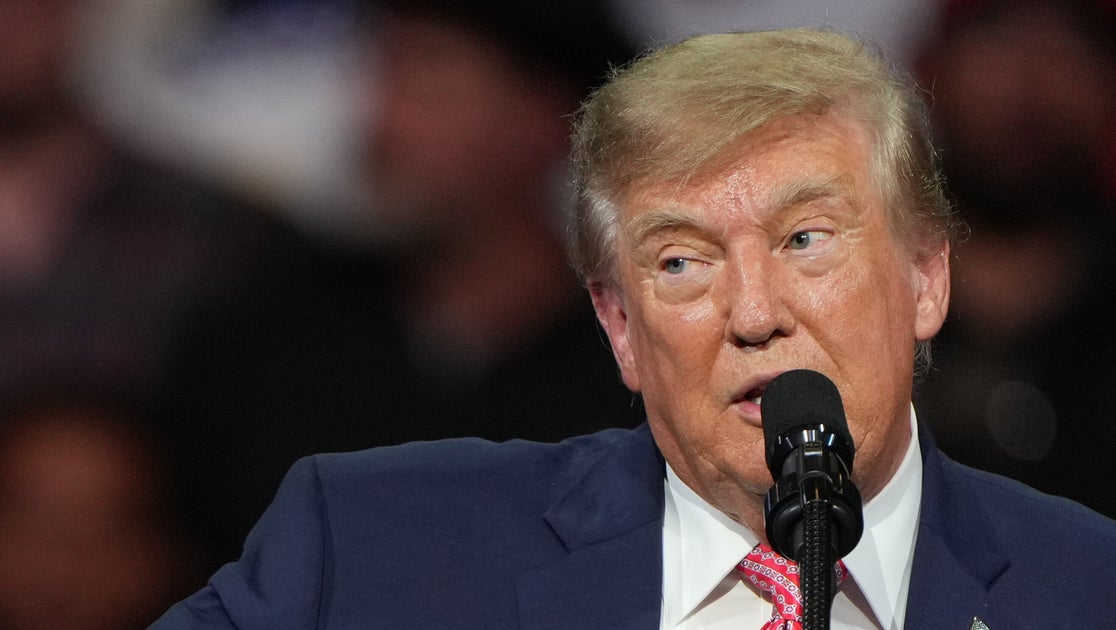
Trump Backs Marshall in Kansas Senate Race Tightened by Farm Costs
President Trump rallied in deep-red Kansas for GOP Sen. Roger Marshall in a competitive race, announcing an $8 billion farm fuel relief program amid high diesel prices. Democrats see an opening to end 94 years of GOP dominance in the state.

Trump Pauses Russia Sanctions Amid Ukraine Tensions and Missile Strikes
Trump waived sanctions on Russia and floated trilateral talks with Putin and Xi as part of ending the Ukraine war, while tensions rose with Zelenskyy over Starlink and arms. Bipartisan senators engaged Zelenskyy amid the shifts.
The Compass
You just read five takes on one story.
What's your take? Find your political shape in a few minutes.
Take the test