
Trump's Immigration Court Overhaul and ICE Tactics Draw Due Process Fire
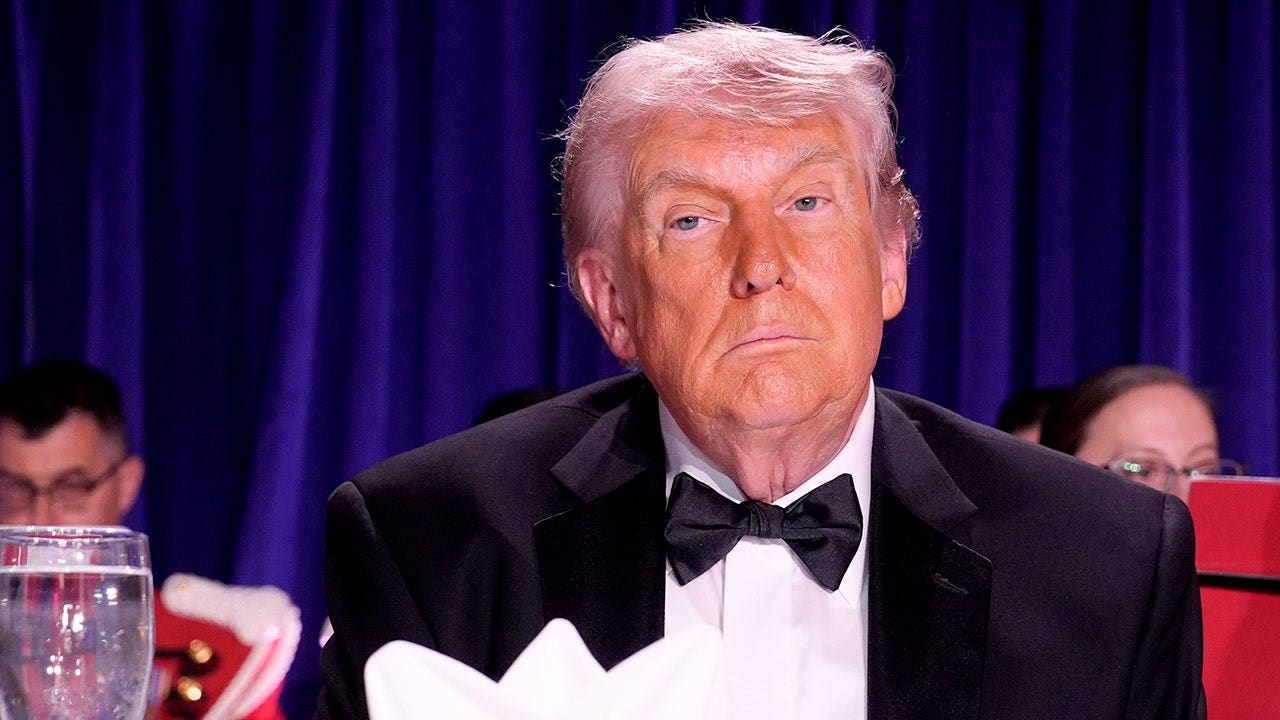
Cover image from foxnews.com, which was analyzed for this article
Trump installs numerous inexperienced judges in immigration courts after short training to expedite asylum and deportations. Critics cite brutal ICE treatment of children and lawyer-judge conflicts. Proposal to rebrand ICE as NICE floated.
PoliticalOS
Monday, April 27, 2026 — Politics
The Trump administration is accelerating immigration enforcement and court processing to address a multimillion-case backlog and prioritize criminal removals, but the abbreviated judge training, visible ICE tactics and effects on children have generated credible concerns about due process and community trust. Many dramatic anecdotes contain contextual details or discrepancies that require cross-checking against DHS, ACLU and court records rather than any single narrative. The single most important reality is that efficiency gains and humanitarian impacts are now in direct tension, with long-term outcomes still undetermined by independent data.
What outlets missed
Most outlets underplayed the immigration court backlog, which surpassed 3 million cases by the end of 2025 according to Syracuse University's TRAC data, supplying essential context for why both parties had previously discussed hiring surges. Criminal or security contexts for several highlighted child-involved incidents, including alleged gang ties, weapons threats or cartel-linked gambling operations, received minimal coverage outside Fox and DHS statements. The probationary status of many dismissed judges, a standard federal personnel practice rather than unprecedented purge, was rarely explained. Coverage of the NICE proposal treated it alternately as policy or meme without consistently noting its origin in an anonymous X post rather than any formal administration plan. Finally, the fact that all new judges remain licensed attorneys, even without immigration specialization, was seldom juxtaposed against experience-gap critiques.
Trump Endorses Renaming ICE to NICE as Deportation Efforts Target Criminals and Court Backlogs
President Donald Trump voiced support Monday for rebranding Immigration and Customs Enforcement as National Immigration and Customs Enforcement, or NICE, a rhetorical tweak that highlights the sharp contrast between policy substance and media framing in the immigration debate. In a Truth Social post, Trump shared and endorsed a suggestion from X that the new name would compel outlets to repeatedly say “NICE agents,” turning a perennial target of criticism into an exercise in linguistic irony. The proposal lands as the administration presses forward with interior enforcement, arresting individuals who entered the country illegally and, in many cases, went on to commit serious crimes.
Recent operations have netted illegal aliens convicted of child sex crimes, methamphetamine trafficking, and other offenses. One case involved an illegal alien accused of biting a three-year-old girl’s face at a Texas park. Such incidents receive less sustained coverage than stories that emphasize hardship for children present when agents arrest their parents. Outlets on the left have compiled accounts of minors intervening in enforcement actions, including a 16-year-old girl in one city who tried to block officers from taking her mother and infant sister into custody. Local police reportedly restrained the teenager to allow the vehicle to depart. In Portland, a child followed an ICE car, striking it until agents requested local assistance.
These episodes are real and unsettling. Yet context matters. Enforcement actions occur precisely because adults have violated immigration statutes, often after repeated opportunities to comply with the law. Children caught in the middle experience the predictable fallout of decisions made by their parents or guardians. Economists and social observers in the tradition of Thomas Sowell have long noted that incentives shape behavior across populations. When laws go unenforced, the resulting illegal presence creates downstream costs, including strained public services, eroded trust in institutions, and difficult scenes when agents finally act. Sympathy for children does not erase the prior choice to enter or remain unlawfully.
The administration’s approach extends beyond street-level arrests. The Justice Department has replaced more than 100 immigration judges since Trump took office, with a comparable number having retired or resigned. Roughly two-thirds of the new appointees list no prior immigration-law experience in their biographies, a shift from past practice. Training has been shortened from five weeks to three. Progressive critics describe the changes as an attempt to install pliable judges who will expedite deportations without objection. A more straightforward reading is that the prior system had grown dysfunctional. Immigration courts have carried enormous backlogs for years, leaving cases unresolved for months or even decades. That delay itself becomes an incentive for further illegal entries.
Recruitment materials now seek “deportation judges” who will “define America for generations” and “restore integrity and honor” to the system. Signing bonuses and flexible work arrangements are offered. The goal appears to be a workforce focused on applying existing statutes rather than prolonging cases through procedural creativity. Whether three weeks of training suffices will be tested in practice, but legal fundamentals and a commitment to statutory text may prove more decisive than years spent inside a specialized bar that has grown ideologically uniform. Past judges often came from the same narrow pool of government immigration offices or advocacy organizations. Fresh perspectives could reduce capture by any single viewpoint.
Local police cooperation with federal agents has also drawn scrutiny. Some municipalities limit information sharing or decline to honor ICE detainers, citing community relations. The administration argues that such policies undermine the rule of law and expose residents, including lawful immigrants and citizens, to preventable risks. Data from prior years showed that a nontrivial share of individuals released despite detainers later committed additional crimes. When young people witness parents or relatives evading lawful orders, the lesson absorbed is not necessarily one of state cruelty but of accountability deferred. Reports that some children are becoming more adversarial toward local law enforcement or mimicking aggressive behavior deserve examination. Yet the remedy is not to curtail enforcement. It is to apply the law evenly so that authority regains legitimacy through consistency rather than selective inaction.
Democrats have offered their own prescription. Some, including Rep. Pramila Jayapal, have called for abolishing ICE outright. That position treats the agency as the problem rather than the instrument enforcing statutes Congress wrote. The public largely disagrees. Polls have shown consistent majorities favor stronger border controls and interior removals of those with criminal records. Trump’s endorsement of the NICE acronym is a small gesture, but it reflects a larger pattern: using language and policy to push back against narratives that portray routine law enforcement as inherently abusive.
The human stories on all sides are complicated. Infants and teenagers swept into chaotic scenes during arrests evoke sympathy. So do the victims of crimes committed by individuals who should not have been in the country to begin with. The difference lies in causation. Parents who bring children into the United States illegally, or who remain after orders to depart, place those children in legal jeopardy. Government cannot wish away that sequence. It can only strive to minimize harm by conducting operations professionally and resolving cases promptly.
As the new judges begin hearing matters and field agents continue their work, the test will be results. Lower recidivism among released populations, faster case resolution, and restored confidence that immigration law has meaning would mark success. Whether media outlets adopt the NICE terminology is secondary. The substantive debate remains whether the United States will maintain a system of legal immigration supported by credible enforcement or continue the pattern of uneven rules that has characterized the past several decades. The Trump administration has chosen the former. The coming months will show whether that choice produces the order and fairness its supporters expect.
You just read Conservative's take. Want to read what actually happened?
More in Politics

Trump at 32% Approval as Gas Prices Test GOP Midterm Hopes
NYT/Siena polling showed Trump's approval at historic lows around 32 percent with Democrats leading by double digits in key districts. Early voting has surged in battleground states.

Record Early Voting Hits Battlegrounds, Shifting Partisan Shares
AP analysis found hundreds of thousands more early ballots than in 2022 in states including Texas, Ohio, Kansas, Maine, and North Carolina, shifting partisan dynamics.

Trump Backs Marshall in Kansas Senate Race Tightened by Farm Costs
President Trump rallied in deep-red Kansas for GOP Sen. Roger Marshall in a competitive race, announcing an $8 billion farm fuel relief program amid high diesel prices. Democrats see an opening to end 94 years of GOP dominance in the state.

Trump Pauses Russia Sanctions Amid Ukraine Tensions and Missile Strikes
Trump waived sanctions on Russia and floated trilateral talks with Putin and Xi as part of ending the Ukraine war, while tensions rose with Zelenskyy over Starlink and arms. Bipartisan senators engaged Zelenskyy amid the shifts.
The Compass
You just read five takes on one story.
What's your take? Find your political shape in a few minutes.
Take the test