
Trump's Immigration Court Overhaul and ICE Tactics Draw Due Process Fire
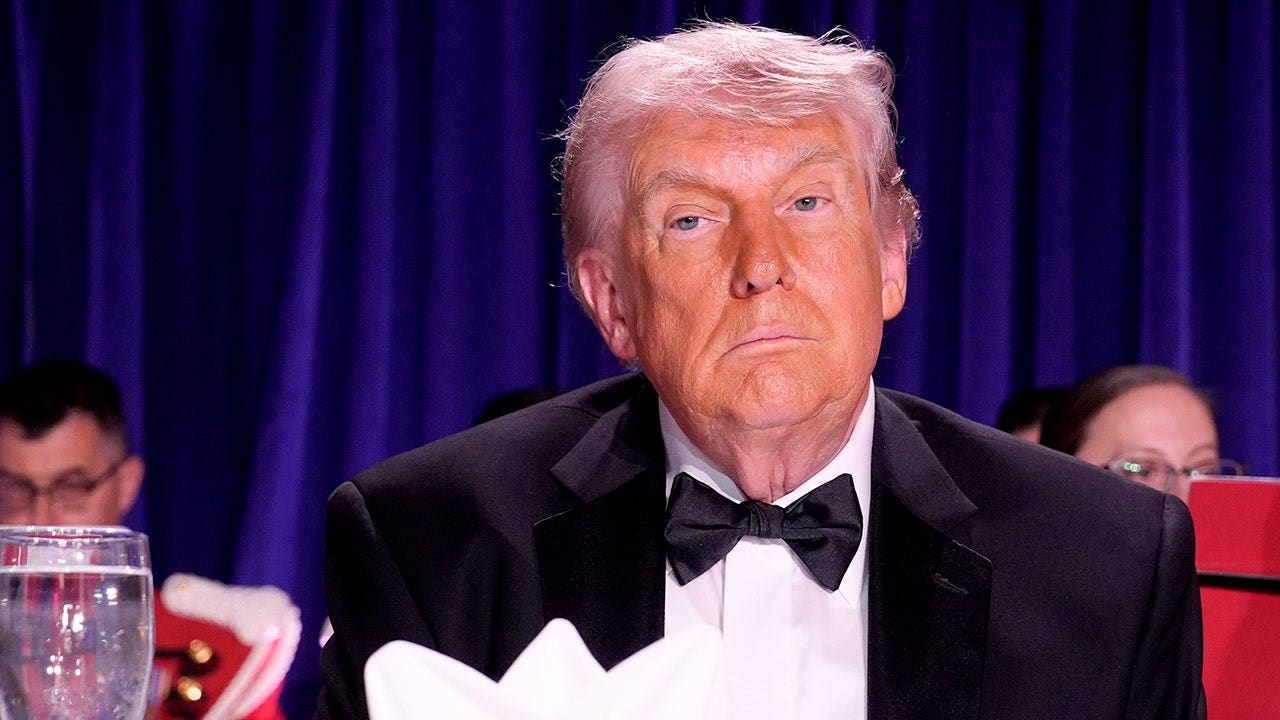
Cover image from foxnews.com, which was analyzed for this article
Trump installs numerous inexperienced judges in immigration courts after short training to expedite asylum and deportations. Critics cite brutal ICE treatment of children and lawyer-judge conflicts. Proposal to rebrand ICE as NICE floated.
PoliticalOS
Monday, April 27, 2026 — Politics
The Trump administration is accelerating immigration enforcement and court processing to address a multimillion-case backlog and prioritize criminal removals, but the abbreviated judge training, visible ICE tactics and effects on children have generated credible concerns about due process and community trust. Many dramatic anecdotes contain contextual details or discrepancies that require cross-checking against DHS, ACLU and court records rather than any single narrative. The single most important reality is that efficiency gains and humanitarian impacts are now in direct tension, with long-term outcomes still undetermined by independent data.
What outlets missed
Most outlets underplayed the immigration court backlog, which surpassed 3 million cases by the end of 2025 according to Syracuse University's TRAC data, supplying essential context for why both parties had previously discussed hiring surges. Criminal or security contexts for several highlighted child-involved incidents, including alleged gang ties, weapons threats or cartel-linked gambling operations, received minimal coverage outside Fox and DHS statements. The probationary status of many dismissed judges, a standard federal personnel practice rather than unprecedented purge, was rarely explained. Coverage of the NICE proposal treated it alternately as policy or meme without consistently noting its origin in an anonymous X post rather than any formal administration plan. Finally, the fact that all new judges remain licensed attorneys, even without immigration specialization, was seldom juxtaposed against experience-gap critiques.
Trump Endorses Rebranding ICE as NICE as Accounts of Child Trauma Multiply and Immigration Courts Are Remade
The human consequences of the Trump administration’s renewed push for rapid deportations are coming into sharper focus. As federal agents intensify operations across the country, accounts continue to surface of children caught in the machinery of enforcement, some physically intervening to protect parents, others absorbing lessons about authority that could shape their view of law enforcement for years. At the same time, the administration is overhauling the immigration courts that decide these families’ fates, replacing experienced judges with newcomers given abbreviated training, a shift critics say is designed to clear dockets rather than ensure fairness.
The pattern emerges most vividly in encounters that never reach formal removal proceedings. In one widely circulated case, a 16-year-old girl attempted to stop ICE officers from taking her mother and three-month-old sister into custody. Local police intervened, restraining the teenager so the federal vehicle could depart. In Portland, another child followed an ICE agent’s car, striking it repeatedly with her hand until the agent requested local police assistance. These incidents are not isolated. Advocates and journalists have documented dozens of similar moments in recent months in which children, sometimes barely school-aged, witness or directly experience the use of force against their families.
The effects extend beyond the immediate targets of enforcement. Local officials’ visible cooperation with ICE appears to be altering how many young people perceive police in their own neighborhoods. Some children grow more distrustful of law enforcement generally, associating officers with family separations. Others, researchers note, imitate the aggressive tactics they observe, bullying immigrant classmates in ways that mirror federal operations. The cumulative message received by a generation of children, particularly in mixed-status communities, is that immigration status can render even the most basic protections of childhood negotiable.
President Trump appeared to acknowledge the public relations challenge on Monday when he endorsed a proposal circulating on social media to rename Immigration and Customs Enforcement as National Immigration and Customs Enforcement, or NICE. In a Truth Social post, Trump called the idea “GREAT” and urged that it be implemented so that reporters would be compelled to refer to “NICE agents” in their coverage. The White House rapid response account amplified the message. The suggestion arrives at a moment when the administration has prioritized high-profile arrests of individuals with criminal convictions, including cases involving child sex crimes and methamphetamine trafficking. Officials argue these operations protect public safety and deter illegal immigration. Yet the optics of rebranding have struck some observers as discordant with the accumulating reports of family trauma.
Behind the operational tempo lies a parallel transformation in the institutions meant to review the government’s actions. According to a Washington Post analysis, the Justice Department has removed more than 100 immigration judges since Trump took office, an unprecedented purge. A comparable number have retired or resigned. In their place, more than 140 new judges have been appointed. Two-thirds of these new hires list no prior experience in immigration law in their official biographies, a sharp departure from past practice when the majority of appointees had specialized backgrounds. Only about a quarter previously worked at the Department of Homeland Security, ICE, or within the immigration courts themselves.
Training for these judges has been compressed from five weeks to three. Kerry Doyle, who was hired as an immigration judge during the Biden administration but fired before she could begin hearing cases, described the effort as an attempt to “create a malleable workforce that will do what they want without question.” The latest recruitment drive frames the positions as “deportation judge” roles and calls on applicants to “define America for generations” and “restore integrity and honor” to the system. Signing bonuses and other incentives are being offered.
The speed of these changes reflects the administration’s stated goal of removing obstacles to deportation. With border enforcement and interior removals both prioritized, the immigration courts have become bottlenecks. Backlogs that once stretched for years are now being attacked by increasing the supply of judges willing to move cases briskly. The risk, immigration lawyers and former officials warn, is that life-altering decisions about asylum, cancellation of removal, and protection from persecution will be made by adjudicators without deep knowledge of the complex statutes or the country conditions that often determine outcomes.
Democrats have long criticized ICE as an agency in need of fundamental reform; some, including Rep. Pramila Jayapal, have called for its abolition. The current administration’s response has been to double down on enforcement while attempting to control the narrative through rebranding and institutional reorganization. Yet the human stories keep surfacing: the infant separated from her mother, the teenager pinned by local officers, the child trailing an unmarked car in protest. These scenes are becoming part of the civic education of a new generation.
Longer-term questions loom about the health of the immigration system and public trust in it. When enforcement encounters routinely involve children and when the courts deciding their parents’ cases are staffed by judges chosen more for ideological alignment than expertise, the perception grows that the process is less about applying law than delivering predetermined results. The administration maintains that it is simply restoring order after years of lax policy. The accumulating evidence from streets and courtrooms suggests the price of that restoration is being paid, in part, by the youngest and most vulnerable. How those children internalize these experiences may shape attitudes toward government and law enforcement for decades after the current debate has faded.
You just read Liberal's take. Want to read what actually happened?
More in Politics

Trump at 32% Approval as Gas Prices Test GOP Midterm Hopes
NYT/Siena polling showed Trump's approval at historic lows around 32 percent with Democrats leading by double digits in key districts. Early voting has surged in battleground states.

Record Early Voting Hits Battlegrounds, Shifting Partisan Shares
AP analysis found hundreds of thousands more early ballots than in 2022 in states including Texas, Ohio, Kansas, Maine, and North Carolina, shifting partisan dynamics.

Trump Backs Marshall in Kansas Senate Race Tightened by Farm Costs
President Trump rallied in deep-red Kansas for GOP Sen. Roger Marshall in a competitive race, announcing an $8 billion farm fuel relief program amid high diesel prices. Democrats see an opening to end 94 years of GOP dominance in the state.

Trump Pauses Russia Sanctions Amid Ukraine Tensions and Missile Strikes
Trump waived sanctions on Russia and floated trilateral talks with Putin and Xi as part of ending the Ukraine war, while tensions rose with Zelenskyy over Starlink and arms. Bipartisan senators engaged Zelenskyy amid the shifts.
The Compass
You just read five takes on one story.
What's your take? Find your political shape in a few minutes.
Take the test