
Trump Warns Iran as Nuclear Talks Stall and Blockade Holds

Cover image from theguardian.com, which was analyzed for this article
President Trump issued fresh warnings that 'the clock is ticking' for Iran amid stalled nuclear talks and a fragile ceasefire. Rhetoric intensified with threats of US action while Tehran asserted control over the Strait of Hormuz.
PoliticalOS
Monday, May 18, 2026 — Politics
The core standoff centers on control of buried nuclear material and sanctions relief under an active naval blockade. Without verified progress on either side’s core conditions, the risk of resumed strikes and further oil-market shocks remains the central unresolved pressure point.
What outlets missed
Most outlets omitted the precise terms of Iran’s latest counter-offer delivered via Pakistani mediators, including demands for compensation and asset unfreezing. Few detailed the technical status of buried uranium or satellite monitoring capabilities cited by U.S. officials. Coverage also underplayed reactions from Gulf states on drone incidents and the exact mechanics of the U.S. ship-interdiction policy beyond Iranian ports.
Trump Issues Ultimatum to Iran as Negotiations Reach Impasse
President Donald Trump renewed pressure on Iran on Sunday to reach a deal ending the two-month-old conflict, warning that time was running out for Tehran to accept terms or face renewed military action. In a post on his Truth Social platform, Trump wrote that “the Clock is Ticking” for Iran and that the country should move “FAST, or there won’t be anything left of them.” The statement came as the administration prepared for a national security meeting on Monday to assess next steps.
The warning follows weeks of stalled talks that began after a cease-fire took effect on April 8. That halt in fighting was intended to open space for negotiations, yet discussions have produced little visible progress. Trump rejected a recent Iranian proposal after reviewing only its opening sentence, describing it as unacceptable during remarks aboard Air Force One. Iranian officials have signaled willingness to continue diplomacy but have also stated that their military stands ready to respond to any renewed strikes.
Central to the impasse is the question of Iran’s remaining enriched uranium, which the United States has insisted must be removed or verifiably controlled. Trump has described this material as “nuclear dust” that must be addressed in any final agreement. Senator Lindsey Graham, appearing on NBC’s Meet the Press, proposed establishing a restricted zone around known storage sites that would be off-limits to Iranian personnel, a measure he said would prevent retrieval or further enrichment while talks continue.
The dispute occurs against a backdrop of shifting regional dynamics. Israel has maintained operations in Lebanon even after extensions of a separate cease-fire, while the United Arab Emirates reported a drone incident near its Barakah nuclear plant that it attributed to Iran or a proxy. Saudi Arabia separately announced it had intercepted drones approaching its territory. These incidents underscore how quickly localized events could draw in additional actors and complicate efforts to contain the original conflict.
Trump has portrayed the earlier military phase as a decisive victory that left Iran with few options. In a recent exchange with a New York Times reporter, he defended that assessment vigorously and dismissed critical coverage as misleading. Yet the continuation of talks more than a month after the cease-fire suggests that military outcomes alone have not translated into the political concessions Washington seeks. Analysts note that enforcement of any uranium agreement would require sustained verification mechanisms and cooperation that have historically proven difficult to maintain.
Iranian statements have emphasized preparedness rather than concession. A Defense Ministry spokesperson said forces are fully ready to counter potential aggression, while a senior official warned that any blockade of Iranian ports would meet resistance. At the same time, Russia’s representative to international organizations in Vienna floated the idea of Iran appointing a special envoy to Moscow to parallel existing channels with Beijing, hinting at possible third-party involvement.
The administration’s approach reflects a pattern in which public deadlines and threats are used to generate movement at the negotiating table. Whether this tactic narrows differences or simply hardens positions remains unclear. With both sides having outlined non-negotiable requirements on the nuclear material and verification, the coming days of talks will test how much flexibility each party is prepared to show before the window for diplomacy narrows further.
You just read Liberal's take. Want to read what actually happened?
More in Politics
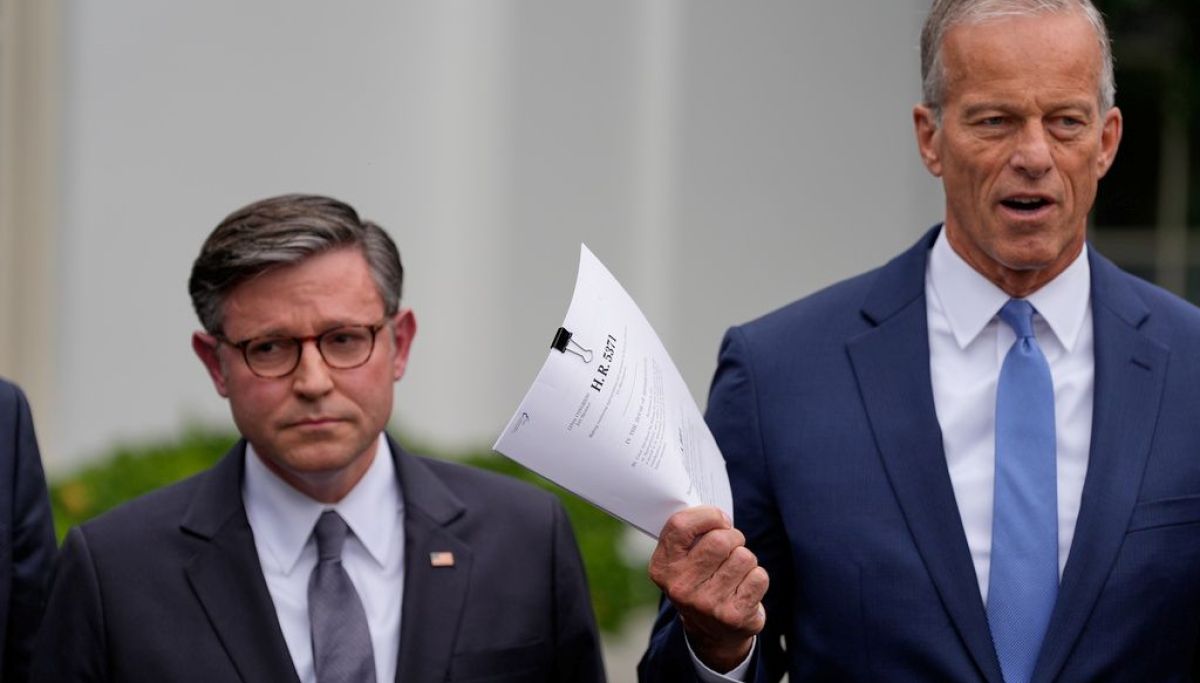
Trump at 32% Approval as Gas Prices Test GOP Midterm Hopes
NYT/Siena polling showed Trump's approval at historic lows around 32 percent with Democrats leading by double digits in key districts. Early voting has surged in battleground states.

Record Early Voting Hits Battlegrounds, Shifting Partisan Shares
AP analysis found hundreds of thousands more early ballots than in 2022 in states including Texas, Ohio, Kansas, Maine, and North Carolina, shifting partisan dynamics.
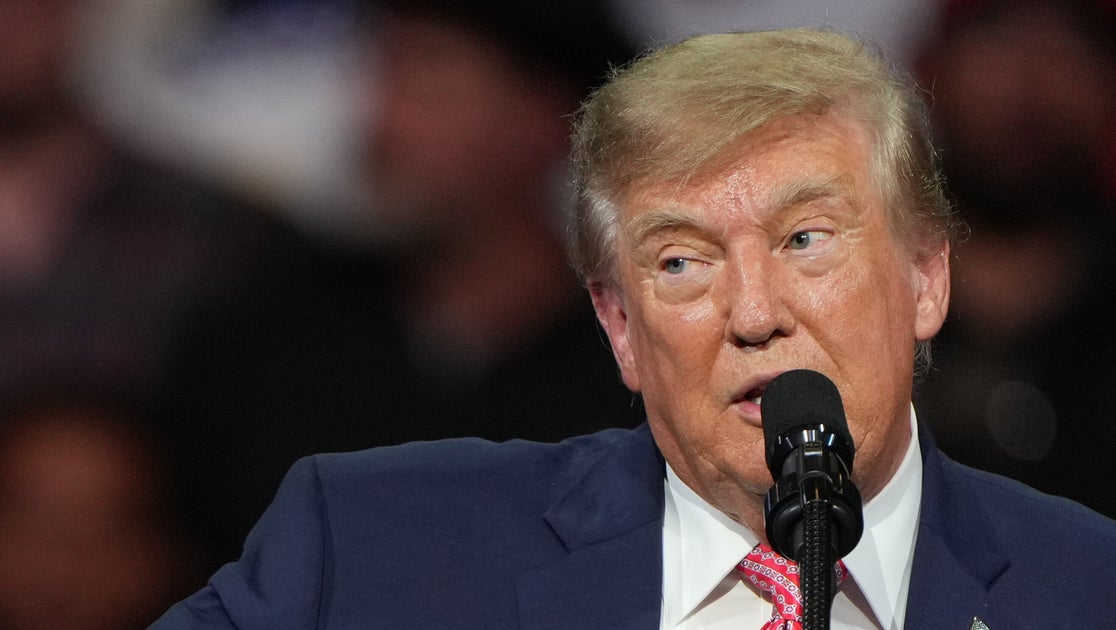
Trump Backs Marshall in Kansas Senate Race Tightened by Farm Costs
President Trump rallied in deep-red Kansas for GOP Sen. Roger Marshall in a competitive race, announcing an $8 billion farm fuel relief program amid high diesel prices. Democrats see an opening to end 94 years of GOP dominance in the state.

Trump Pauses Russia Sanctions Amid Ukraine Tensions and Missile Strikes
Trump waived sanctions on Russia and floated trilateral talks with Putin and Xi as part of ending the Ukraine war, while tensions rose with Zelenskyy over Starlink and arms. Bipartisan senators engaged Zelenskyy amid the shifts.
The Compass
You just read five takes on one story.
What's your take? Find your political shape in a few minutes.
Take the test