
Trump Demands Iran Pay for Past Attacks as Hormuz Standoff Persists
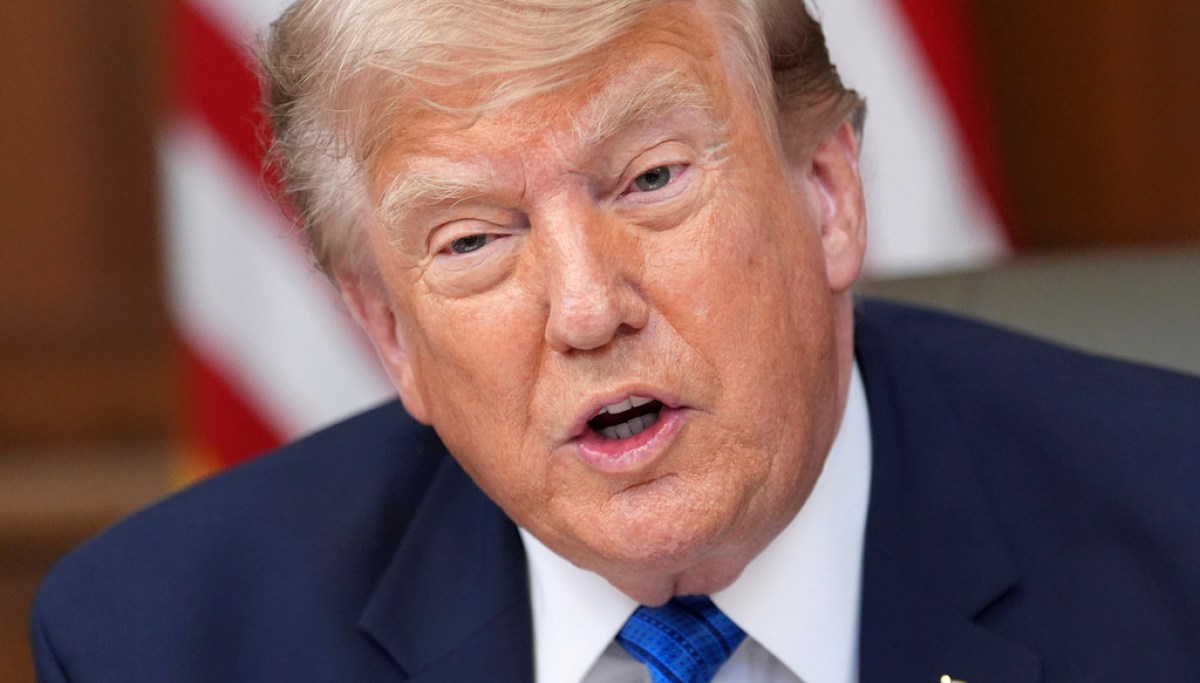
Cover image from washingtonexaminer.com, which was analyzed for this article
Trump escalates rhetoric by demanding reparations from Iran for past attacks and claiming U.S. control of the Strait of Hormuz amid stalled talks and rising oil prices.
PoliticalOS
Tuesday, August 11, 2026 — Politics
The core impasse is mutual compensation demands that each side has now placed on the table, hardening positions over Hormuz access and driving oil prices higher. Readers should note that several key figures, including casualty totals and inflation rates, remain unverified across available reporting. The standoff's origin traces to strikes that began February 28, a context that clarifies why both sides now link reopening to financial claims.
What outlets missed
Most coverage omitted the documented start of the current phase on February 28, 2026, when U.S. and Israeli strikes killed Iran's previous supreme leader Ali Khamenei and triggered the blockade and compensation demands. Several pieces repeated the unverified 52,000 casualty figure without cross-checks or ranges from other sources. Little attention was given to concrete maritime data showing only seven vessels transiting the strait in a recent 24-hour period or to U.S. Central Command's reported redirection of 55 commercial vessels since July 14. The plane-switch security measure received inconsistent context across outlets, with some emphasizing theatrics over the confirmed missile-plot intelligence.
Global oil markets face renewed pressure as talks to reopen the Strait of Hormuz remain stalled, with the United States and Iran each insisting the other pay compensation for years of conflict-related damage. The waterway carries roughly one-fifth of the world's oil supply, and traffic has fallen to about 10-12 percent of pre-war levels since Iran began restricting passage and the United States imposed a naval blockade on Iranian ports. President Trump stated on Truth Social and in Oval Office remarks that Iran must compensate victims of roadside bombs, the 2000 USS Cole attack, and deaths of protesters and others over five decades, including a figure of 52,000 killed in recent months; he directed negotiators to include these claims in any future discussions. Iranian officials, including Foreign Ministry spokesman Esmaeil Baqaei and Supreme National Security Council secretary Mohammad Bagher Zolghadr, countered that the strait will stay closed until the United States lifts sanctions, unfreezes assets, ends the blockade, and pays reparations for war damage. Trump described the U.S. Navy's position as an "infallible" blockade and "steel wall," while acknowledging Iran could still "make trouble" with mines or drones. Oil prices rose more than 5 percent on Monday and continued climbing Tuesday, with Brent crude approaching $90 a barrel, prompting concerns over inflation and possible U.S. interest rate increases. Iran has also replaced several senior military commanders and emphasized internal unity amid economic strain. Separate reporting confirmed that Trump used a decoy aircraft during a July return from a NATO summit in Turkey after intelligence indicated an Iranian missile threat. Houthi attacks on Yemeni ports have added to regional shipping risks. No independent verification has emerged for the 300-309 percent inflation rate cited by Trump or the precise recent casualty total of 52,000.
More in Politics

Federal Agents Search Omar Home in Ongoing Immigration Probe
Homeland Security agents searched the Minnesota Democrat's DC residence in a criminal probe, prompting accusations of political intimidation from Omar and Democratic leaders. Coverage spans left-leaning outlets like NPR, BBC, and The Guardian alongside right-leaning criticism from The Federalist and Daily Wire.

Trump Diesel Import Plan Draws Pushback Over Russia Ties
The weekend agreement drew bipartisan congressional pushback and criticism from Ukraine's Zelenskyy, with analysts downplaying US fuel price impacts. Right-leaning outlets like National Review, Dispatch, and Washington Examiner questioned its legality and effectiveness.

Independents Test Voter Appetite for Middle Ground in 2026 Midterms
Nearly 200 independents are running in competitive races as voters weigh ballot measures on housing costs in states like Massachusetts. Left-leaning coverage from NYT, NPR, and Guardian highlights turnout and key races while right outlets focus on GOP strategy.

Trump Rallies in Alaska, Ohio to Bolster GOP Senate Candidates
The president rallied in Wasilla for Sen. Dan Sullivan and faced empty seats at an Ohio event amid midterm concerns. Outlets across the spectrum covered the trips as signals of GOP vulnerability weeks before Election Day.
The Compass
You just read five takes on one story.
What's your take? Find your political shape in a few minutes.
Take the test