
Trump Signals More Strikes as Iran War Reaches 145 Days
Cover image from washingtonexaminer.com, which was analyzed for this article
Trump signaled further military action against Iran as the conflict entered its 145th day with ongoing strikes and shipping route concerns. Bipartisan hearings and reactions focused on costs, diplomacy options, and regional fallout.
PoliticalOS
Wednesday, July 22, 2026 — Politics
The central unresolved question is whether either side will accept limits on Strait of Hormuz control without further escalation. Daily costs now exceed $37 million while 18 U.S. troops have died and global energy prices continue to rise.
What outlets missed
Several outlets omitted the specific CENTCOM rationale that Iran had attacked more than 30 commercial vessels in the strait over three months. Coverage rarely noted the exact supplemental funding figure of $67 billion or the $75 billion in prior unobligated funds still available. Few reports examined the Pickaxe Mountain facility or the administration’s stated intent to strike it. Iranian state-media claims of hitting “child-killing” U.S. bases appeared without parallel U.S. statements on the same incidents. The 18 confirmed U.S. deaths were sometimes presented without the context that independent tallies from AP and Al Jazeera matched the Pentagon count.
Global oil shipments face renewed risk as the United States and Iran trade strikes for the 11th straight night. The conflict, now in its 145th day, has killed 18 U.S. service members and disrupted 20 percent of world oil traffic through the Strait of Hormuz.
U.S. Central Command reported strikes on Iranian military operations centers, aircraft hangars, drone facilities and logistics sites. Iran responded with drone and missile attacks on U.S. positions in Kuwait, Jordan and Bahrain. On July 17 an Iranian strike on Jordan’s Muwaffaq Salti Air Base killed three U.S. soldiers; a fourth died in Iraq while handling an Iranian drone. The Pentagon has requested an additional $67 billion to replenish munitions after spending $37.5 billion so far.
Secretary of State Marco Rubio told Southeast Asian counterparts that Washington remains open to talks but will respond if Iran continues attacks on shipping. President Trump said Iran wants to meet “desperately” yet warned that meaningful negotiations must occur or strikes will continue. He also said U.S. intelligence would soon target an underground site known as Pickaxe Mountain if Israeli reports of hidden centrifuges prove accurate.
At Senate hearings Defense Secretary Pete Hegseth defended the campaign and clashed with Democrats over funding and strategy. Senators questioned whether the administration has a plan to reopen the strait or end the fighting. Iran has demanded toll authority over the waterway; the United States rejects that claim as a violation of freedom of navigation.
A June 17 memorandum of understanding that paused strikes for 60 days collapsed after Iran fired on tankers using routes outside its approved lanes. Both sides now accuse the other of bad faith while oil prices have climbed above $90 a barrel.
More in Politics

Federal Agents Search Omar Home in Ongoing Immigration Probe
Homeland Security agents searched the Minnesota Democrat's DC residence in a criminal probe, prompting accusations of political intimidation from Omar and Democratic leaders. Coverage spans left-leaning outlets like NPR, BBC, and The Guardian alongside right-leaning criticism from The Federalist and Daily Wire.

Trump Diesel Import Plan Draws Pushback Over Russia Ties
The weekend agreement drew bipartisan congressional pushback and criticism from Ukraine's Zelenskyy, with analysts downplaying US fuel price impacts. Right-leaning outlets like National Review, Dispatch, and Washington Examiner questioned its legality and effectiveness.

Independents Test Voter Appetite for Middle Ground in 2026 Midterms
Nearly 200 independents are running in competitive races as voters weigh ballot measures on housing costs in states like Massachusetts. Left-leaning coverage from NYT, NPR, and Guardian highlights turnout and key races while right outlets focus on GOP strategy.
Trump Rallies in Alaska, Ohio to Bolster GOP Senate Candidates
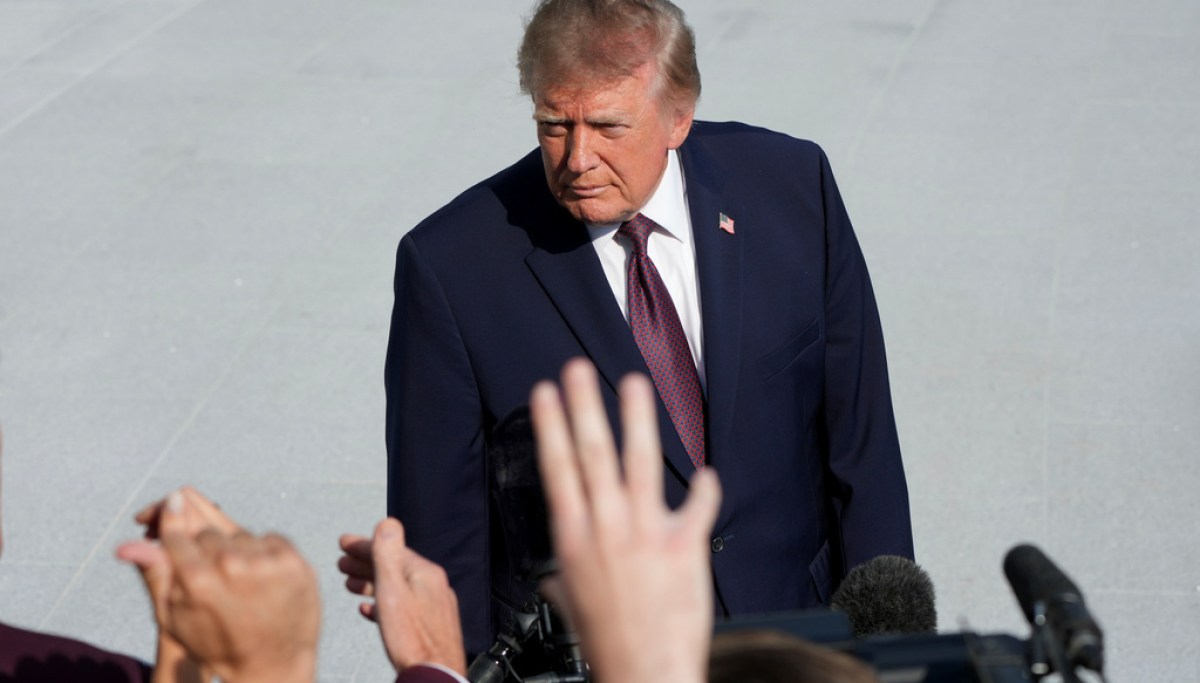
The president rallied in Wasilla for Sen. Dan Sullivan and faced empty seats at an Ohio event amid midterm concerns. Outlets across the spectrum covered the trips as signals of GOP vulnerability weeks before Election Day.
The Compass
You just read five takes on one story.
What's your take? Find your political shape in a few minutes.
Take the test