
Trump Pushes New Iran Sanctions as Hormuz Traffic Stays Low
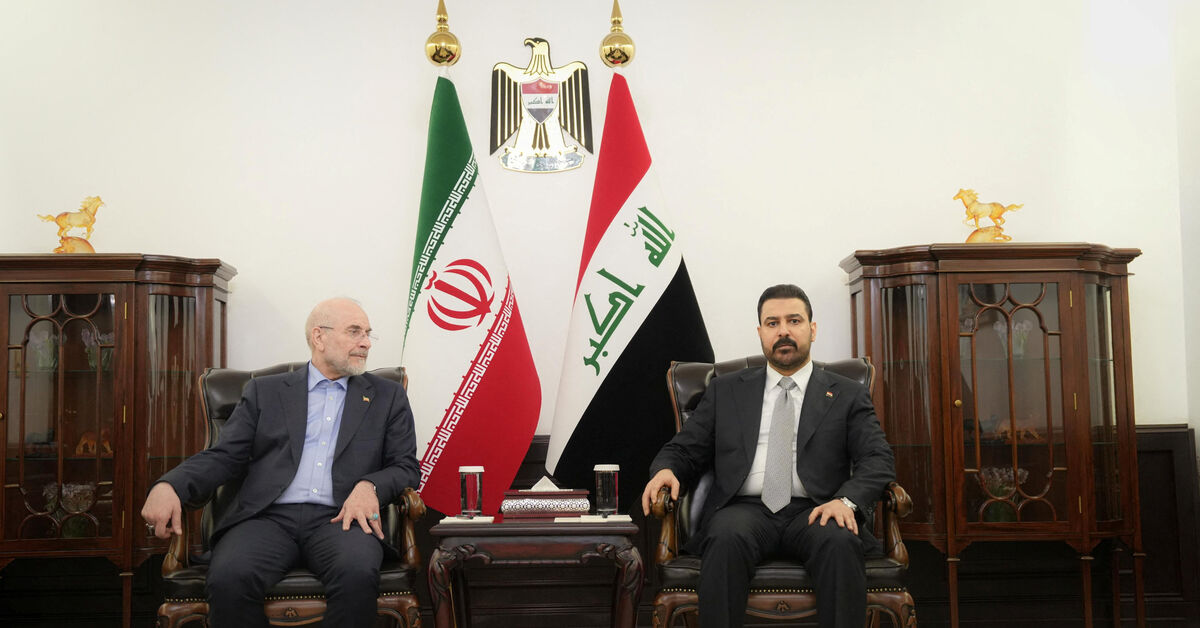
Cover image from al-monitor.com, which was analyzed for this article
New sanctions and tariff threats framed as economic warfare include treating the Strait of Hormuz as US territory. Beijing says it can offset impacts through mineral exports and reserves.
PoliticalOS
Saturday, August 22, 2026 — Politics
The core development is a new US sanctions push against Iran amid continued low tanker traffic through the Strait of Hormuz and stalled talks. Iraqi officials gained limited passage permissions while seeking other export routes. Broader claims about China offsetting impacts through minerals could not be independently verified from these sources.
What outlets missed
No outlet supplied independent verification of the Iraqi tanker permissions beyond Iranian state media and Iraqi statements. Pre-February 28 events that led to the strait’s effective closure received no coverage. Production losses in Iraq after the disruption, including force majeure declarations on southern fields, went unmentioned. Claims that Beijing could offset sanctions through mineral exports and reserves appeared in none of the reporting and therefore remain unverified.
The United States is preparing another round of sanctions against Iran that officials describe as the most extensive economic isolation effort in history. Treasury Secretary Scott Bessent said the measures would force allies to choose sides and would aim to collapse Iran’s economy without requiring large-scale military action. Iranian Foreign Ministry spokesman Esmaeil Baghaei called the approach an assertion of extraterritorial sovereignty that erodes the UN system and revives classic colonialism.
Shipping data show traffic through the Strait of Hormuz remains far below pre-war levels after the United States began military operations on February 28. Only four commodity ships transited on one recent day, none of them large crude carriers. Iran’s state news agency IRNA reported that Tehran has granted special permission for several Iraqi oil tankers to pass after Baghdad’s repeated requests. Iraqi officials confirmed the facilitation while noting they are also developing alternative export routes through Turkey, Syria, and Jordan.
Oil prices rose more than 5 percent for the week. Brent crude closed at $94.39 a barrel. Negotiations to reopen the strait have stalled, and both sides have avoided direct attacks on each other’s territory in recent days. Iranian President Masoud Pezeshkian said it would be better to end the war from a position of strength and dignity.
More in Politics

Federal Agents Search Omar Home in Ongoing Immigration Probe
Homeland Security agents searched the Minnesota Democrat's DC residence in a criminal probe, prompting accusations of political intimidation from Omar and Democratic leaders. Coverage spans left-leaning outlets like NPR, BBC, and The Guardian alongside right-leaning criticism from The Federalist and Daily Wire.

Trump Diesel Import Plan Draws Pushback Over Russia Ties
The weekend agreement drew bipartisan congressional pushback and criticism from Ukraine's Zelenskyy, with analysts downplaying US fuel price impacts. Right-leaning outlets like National Review, Dispatch, and Washington Examiner questioned its legality and effectiveness.

Independents Test Voter Appetite for Middle Ground in 2026 Midterms
Nearly 200 independents are running in competitive races as voters weigh ballot measures on housing costs in states like Massachusetts. Left-leaning coverage from NYT, NPR, and Guardian highlights turnout and key races while right outlets focus on GOP strategy.
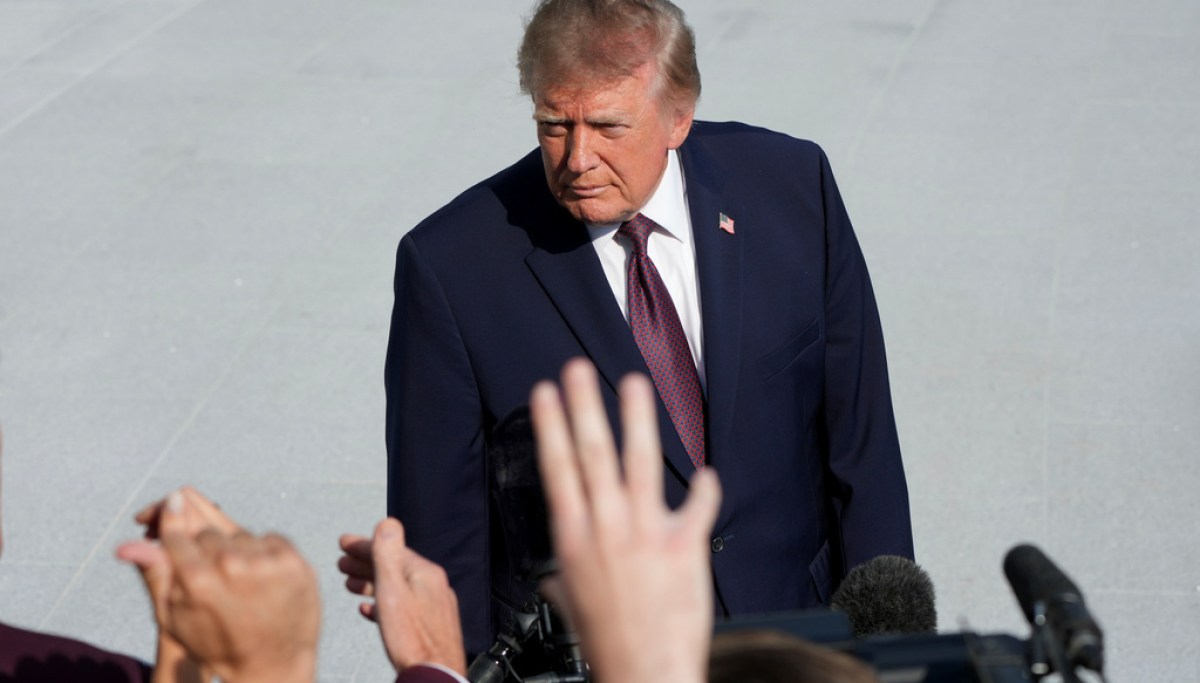
Trump Rallies in Alaska, Ohio to Bolster GOP Senate Candidates
The president rallied in Wasilla for Sen. Dan Sullivan and faced empty seats at an Ohio event amid midterm concerns. Outlets across the spectrum covered the trips as signals of GOP vulnerability weeks before Election Day.
The Compass
You just read five takes on one story.
What's your take? Find your political shape in a few minutes.
Take the test