
Trump Pledges Sweeping Sanctions Targeting Iran and Its Trade Partners
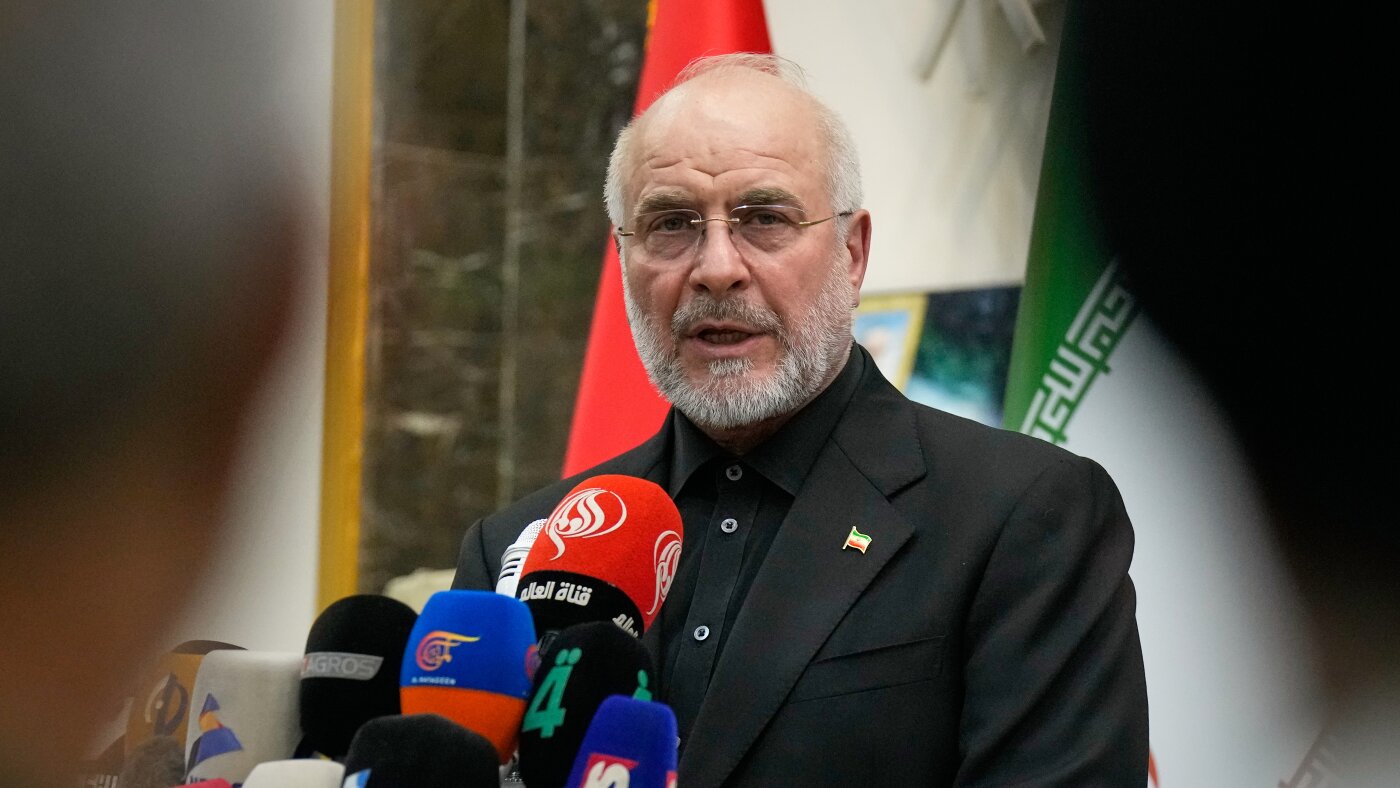
Cover image from npr.org, which was analyzed for this article
Trump warned of major economic measures against Iran, including an 'economic D-Day,' as Tehran officials dismissed the threats. Left-leaning outlets like NYT and NPR are balanced by Washington Examiner and CBS coverage.
PoliticalOS
Friday, August 21, 2026 — Politics
The core development is a U.S. threat of secondary sanctions on any nation sustaining Iran's economy, met by Iranian dismissal and no immediate sign of resumed talks. Whether the measures can be enforced against major buyers such as China or will instead deepen regional defiance remains the central unresolved question.
What outlets missed
Most coverage omitted concrete dates for the expiration of the 60-day negotiation memorandum and the specific sequence of Iranian shipping restrictions that preceded the latest U.S. statements. Few outlets examined the mechanics of how secondary sanctions on entire nations would be monitored or enforced beyond existing Treasury authorities. Limited attention was given to the role of overland trade routes through Turkey and Pakistan that are less vulnerable to maritime enforcement. The absence of allied reactions or congressional notifications left the scale of international coordination unclear.
Global oil markets and diplomatic channels face renewed strain after President Trump announced plans for what he called an "economic D-Day" against Iran. The move escalates pressure on Tehran amid a six-month conflict that has already produced a U.S. naval presence in the Strait of Hormuz and stalled talks. Iranian officials responded by labeling the approach a sign of military weakness and a distraction from U.S. fiscal challenges.
Trump posted on Truth Social that any country allowing its institutions or businesses to support Iran would face "TREMENDOUS Economic Consequences." Treasury Secretary Scott Bessent described the coming steps as the "greatest coordinated economic isolation in the history of the world" and said details would follow on Monday. Existing U.S. sanctions already restrict most Western trade with Iran; recent enforcement has targeted refineries buying Iranian crude.
Iranian Parliament Speaker Mohammad Bagher Qalibaf said the United States and Israel had concluded they could not prevail militarily and had therefore shifted to economic and cognitive pressure. Foreign Minister Abbas Araghchi called the measures "economic terrorism" intended to divert attention from U.S. debt levels. Both statements were issued during visits and social-media posts in the days after the U.S. announcement.
The 60-day memorandum of understanding for negotiations expired without extension. Iran continues to limit traffic through the Strait of Hormuz while the United States maintains a blockade. China remains the largest purchaser of Iranian oil, accounting for up to 90 percent of exports according to U.S.-China Economic and Security Review Commission data. The United Arab Emirates announced it would halt all trade and financial transactions with Iran.
India, Turkey, Pakistan, and Iraq also maintain varying levels of commercial ties that could be affected. Experts note that secondary sanctions on sovereign governments have historically proven difficult to enforce uniformly. Oil prices have risen to their highest levels since July, though analysts differ on whether additional measures would further constrict supply or simply accelerate existing diversification efforts.
More in Politics

Federal Agents Search Omar Home in Ongoing Immigration Probe
Homeland Security agents searched the Minnesota Democrat's DC residence in a criminal probe, prompting accusations of political intimidation from Omar and Democratic leaders. Coverage spans left-leaning outlets like NPR, BBC, and The Guardian alongside right-leaning criticism from The Federalist and Daily Wire.

Trump Diesel Import Plan Draws Pushback Over Russia Ties
The weekend agreement drew bipartisan congressional pushback and criticism from Ukraine's Zelenskyy, with analysts downplaying US fuel price impacts. Right-leaning outlets like National Review, Dispatch, and Washington Examiner questioned its legality and effectiveness.

Independents Test Voter Appetite for Middle Ground in 2026 Midterms
Nearly 200 independents are running in competitive races as voters weigh ballot measures on housing costs in states like Massachusetts. Left-leaning coverage from NYT, NPR, and Guardian highlights turnout and key races while right outlets focus on GOP strategy.
Trump Rallies in Alaska, Ohio to Bolster GOP Senate Candidates
The president rallied in Wasilla for Sen. Dan Sullivan and faced empty seats at an Ohio event amid midterm concerns. Outlets across the spectrum covered the trips as signals of GOP vulnerability weeks before Election Day.
The Compass
You just read five takes on one story.
What's your take? Find your political shape in a few minutes.
Take the test