
Trump Pushes Iran Strikes, Hamas Deal and Saudi Nuclear Pact Amid Strains

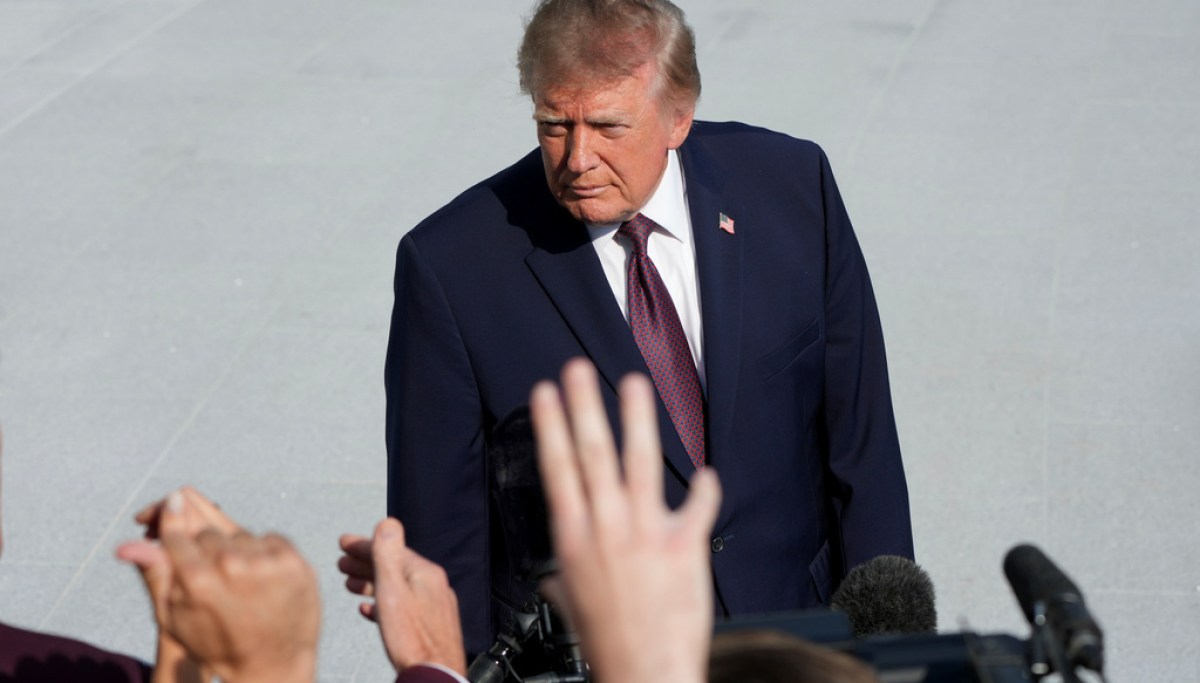
Cover image from nypost.com, which was analyzed for this article
President Trump advances deals involving Hamas disarmament, Gaza withdrawal, and potential Saudi nuclear elements while threatening further strikes on Iran. Coverage highlights shifting alliances with Ukraine and Zelenskyy alongside regional escalations.
PoliticalOS
Saturday, August 1, 2026 — Politics
Trump’s Iran campaign has produced measurable military resource shortfalls and economic disruption while generating parallel diplomatic tracks on Gaza disarmament and Saudi nuclear power. These tracks remain conditional and contested, with no verified path to de-escalation. Readers should track whether Ukrainian assistance and Saudi coalition-building alter the conflict’s scope or merely widen it.
What outlets missed
Multiple outlets omitted the documented sequence of Iranian drone attacks on U.S. and allied targets that preceded the February 2026 U.S. strikes. Few noted that the main Strait of Hormuz tanker incidents occurred in July rather than August, compressing the escalation timeline. Coverage rarely included Ukrainian statements that strikes targeted vessels already under sanctions for Iran-Russia arms transport. Saudi-Pakistan defense pact details and subsequent Pakistani retraction received little attention. The precise 30-year term and IAEA safeguards language in the U.S.-Saudi nuclear agreement appeared in only a minority of reports.
The United States continues military operations against Iran five months after strikes began in late February 2026, with President Trump stating that forces will hit targets “very hard” until Tehran negotiates on U.S. terms. The campaign includes a naval blockade of Iranian ports after Tehran closed the Strait of Hormuz, which carries a fifth of global oil supplies, and has produced near-daily exchanges of missiles and drones. U.S. European Command head Gen. Alexus Grynkewich warned the Pentagon that he lacks sufficient destroyers to sustain Israel’s defense without diverting assets from homeland protection, according to officials familiar with the notification. At the same time, Trump announced a U.S.-brokered agreement under which Hamas would disarm and transfer Gaza administration to an independent body, though Israeli strikes continued in central Gaza and far-right ministers rejected the terms. A separate deal allows U.S. firms to build civilian nuclear plants in Saudi Arabia, yet Trump later conditioned final approval on Riyadh recognizing Israel. Ukraine has offered drone-defense expertise to Gulf states under Iranian attack and struck an Iranian vessel it said carried arms to Russia, prompting Iranian threats and U.S. concerns over merged battlefields. Saudi Arabia reported a 5 percent GDP drop in the second quarter and is forming a maritime coalition with 14 nations to protect Red Sea shipping from Houthi attacks. Negotiations mediated by Pakistan and Qatar have produced no lasting truce, while Congress from both parties questions the absence of an exit strategy and the effect on fuel and food prices ahead of midterms.
More in Politics

Federal Agents Search Omar Home in Ongoing Immigration Probe
Homeland Security agents searched the Minnesota Democrat's DC residence in a criminal probe, prompting accusations of political intimidation from Omar and Democratic leaders. Coverage spans left-leaning outlets like NPR, BBC, and The Guardian alongside right-leaning criticism from The Federalist and Daily Wire.

Trump Diesel Import Plan Draws Pushback Over Russia Ties
The weekend agreement drew bipartisan congressional pushback and criticism from Ukraine's Zelenskyy, with analysts downplaying US fuel price impacts. Right-leaning outlets like National Review, Dispatch, and Washington Examiner questioned its legality and effectiveness.

Independents Test Voter Appetite for Middle Ground in 2026 Midterms
Nearly 200 independents are running in competitive races as voters weigh ballot measures on housing costs in states like Massachusetts. Left-leaning coverage from NYT, NPR, and Guardian highlights turnout and key races while right outlets focus on GOP strategy.
Trump Rallies in Alaska, Ohio to Bolster GOP Senate Candidates
The president rallied in Wasilla for Sen. Dan Sullivan and faced empty seats at an Ohio event amid midterm concerns. Outlets across the spectrum covered the trips as signals of GOP vulnerability weeks before Election Day.
The Compass
You just read five takes on one story.
What's your take? Find your political shape in a few minutes.
Take the test