
Trump Reviews Iran's 14-Point Peace Offer as War Hits Day 65

Cover image from theblaze.com, which was analyzed for this article
President Trump is reviewing Iran's 14-point proposal to end the war, including lifting the US naval blockade and reopening the Strait of Hormuz, but doubts it is sufficient as Tehran has not 'paid a big enough price.' The costly and unpopular conflict enters its 65th day, with massive job losses in Iran from 'Operation Economic Fury' and civilian fears across the Middle East. Senate Republicans have blocked war powers resolutions multiple times.
PoliticalOS
Sunday, May 3, 2026 — Politics
The single most important reality is that diplomacy has not yet overcome the core impasse: Iran's insistence on sanctions relief, nuclear rights, and an end to the U.S. blockade versus the administration's demand that Tehran verifiably abandon weapons-grade enrichment and 'pay' for decades of regional behavior. With oil prices elevated, civilian infrastructure damaged across multiple countries, and fragile ceasefires already cracking in Lebanon, the coming review will test whether economic pain and political risk can force compromise before active combat resumes. Readers should track verifiable actions around the strait and nuclear sites rather than competing rhetoric.
What outlets missed
Most coverage omitted the multiple times Senate Republicans blocked war powers resolutions, a key detail on domestic checks that limits Trump's flexibility. Reports also underplayed the scale of Iranian job losses specifically tied to 'Operation Economic Fury,' an economic warfare campaign that has compounded civilian hardship beyond general sanctions. Pre-ceasefire Iranian enrichment levels approaching weapons-grade and proxy attacks via Hezbollah and Houthis in late 2025 were rarely placed in full sequence, leaving the February 28 strikes without documented context from IAEA reports. Reciprocal casualty figures, including dozens killed by Iranian missiles in Gulf states and Israel, received only token mention in outlets focused on one side's suffering. Finally, technical details on Iranian sea mines still obstructing the Strait of Hormuz were mentioned sporadically but never tied to the feasibility of any 'new mechanism' in the 14-point plan.
Trump Reviews Iranian Peace Proposal as Civilian Toll and Political Fallout Mount
President Donald Trump said Saturday he is reviewing a new 14-point Iranian proposal aimed at ending the two-month-old war but cast doubt on any quick agreement, telling reporters that Tehran “has not yet paid a big enough price.” The comments came on the 65th day since the United States and Israel launched surprise strikes on Iran, a conflict that has already claimed civilian lives across the region, strained the global economy, and left Trump’s approval ratings at record lows.
The Iranian plan, delivered through Pakistani mediators, calls for formal guarantees of nonaggression, the withdrawal of U.S. forces from the vicinity of Iran, lifting of the American naval blockade, release of frozen Iranian assets, broad sanctions relief, and an end to hostilities “on all fronts,” including Lebanon. Nuclear negotiations, which Trump has called a “red line,” would be postponed. Iranian officials framed the document as a response to an earlier nine-point American outline and insist they want a permanent resolution within 30 days rather than another temporary ceasefire.
Trump’s public reaction was lukewarm at best. He has not ruled out renewed military action, saying only that “if they misbehave, if they do something bad,” further strikes remain possible. Israeli military officials, meanwhile, are preparing for the possibility of additional U.S. attacks and expect Iranian retaliation against Israel. Senior Israeli officers told reporters any deal that leaves Iran’s uranium enrichment program intact would constitute a failure.
The distance between the two sides remains vast. Iran’s de facto blockade of the Strait of Hormuz, launched in response to the initial bombardment, continues to disrupt one-fifth of global oil and gas traffic. Even after the April 8 ceasefire brokered by Pakistan, both nations have kept up naval harassment, seizing and intercepting each other’s vessels. The economic consequences are visible inside Iran, where prices have surged, jobs have vanished, and ordinary citizens speak of a grinding uncertainty that has settled over daily life.
That human cost is what lingers most sharply in accounts gathered from civilians across the region. In the coastal towns of Minab and Lamerd, missiles struck an elementary school and a high-school gymnasium during the opening hours of the war. Parents described rushing to scenes of bleeding children, some unconscious, others screaming. One father recounted finding his daughter’s volleyball team pulled from the burning wreckage. In Isfahan, residents woke to the sound of explosions and fighter jets, then spent weeks living with air-raid sirens and the constant fear that death could arrive without warning or front lines. Electricity flickered, routines collapsed, and the psychological weight of random violence settled in, as one resident described it, “like a fear that settles in your heart.”
These stories form the backdrop against which former Fox News host Tucker Carlson offered a remarkable insider portrait in a New York Times interview published this weekend. Carlson, once one of Trump’s most vocal advocates, has broken with the president over the Iran decision and publicly apologized for helping him win the 2024 election. Drawing on numerous private conversations, Carlson said his “strong read” was that Trump launched the war “against his will.”
“He knew – and I know he knew because I talked to him about it directly – that the potential consequences were profoundly bad; the end of his presidency to start,” Carlson told the Times. The former host described Trump as “more a hostage than a sovereign decision maker,” suggesting heavy Israeli influence had narrowed the president’s options. According to Carlson, Trump repeated that “everything’s gonna be okay,” even as he appeared to understand the political peril.
The war has indeed damaged Trump at home. His approval ratings have plunged, and the conflict’s unpopularity has surprised even some of his longtime allies. The administration’s insistence that Iran must first end its Hormuz blockade and accept strict nuclear limits before any broader deal has so far produced only stalemate. Pakistani mediation efforts in Islamabad collapsed when each side set preconditions the other would not accept.
Iranian officials, including those tied to the Islamic Revolutionary Guard Corps, say they remain on standby for a return to full-scale fighting if diplomacy fails. At the same time, Tehran has signaled willingness to talk. The 14-point plan represents the most detailed offer yet, yet Trump’s demand that Iran must first “pay a bigger price” suggests the gap between the two governments is as much psychological as substantive.
Whether the latest proposal can bridge that divide is uncertain. What is clear is the accumulating cost of a conflict that began with confident predictions of quick victory and has instead delivered civilian deaths, economic dislocation, and a president who, by the account of one of his closest former confidants, understood from the beginning that the war could destroy his political future. As Trump weighs his next move, the sirens and uncertainty that have become routine for millions in the Middle East continue.
You just read Liberal's take. Want to read what actually happened?
More in Politics
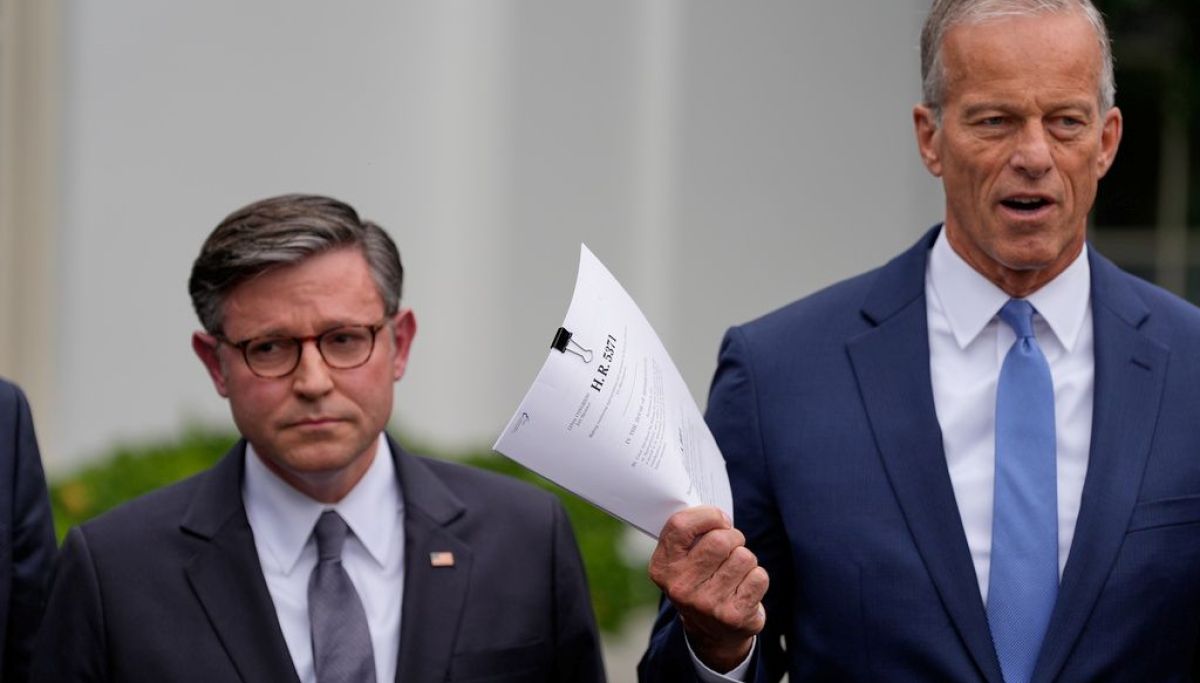
Trump at 32% Approval as Gas Prices Test GOP Midterm Hopes
NYT/Siena polling showed Trump's approval at historic lows around 32 percent with Democrats leading by double digits in key districts. Early voting has surged in battleground states.

Record Early Voting Hits Battlegrounds, Shifting Partisan Shares
AP analysis found hundreds of thousands more early ballots than in 2022 in states including Texas, Ohio, Kansas, Maine, and North Carolina, shifting partisan dynamics.
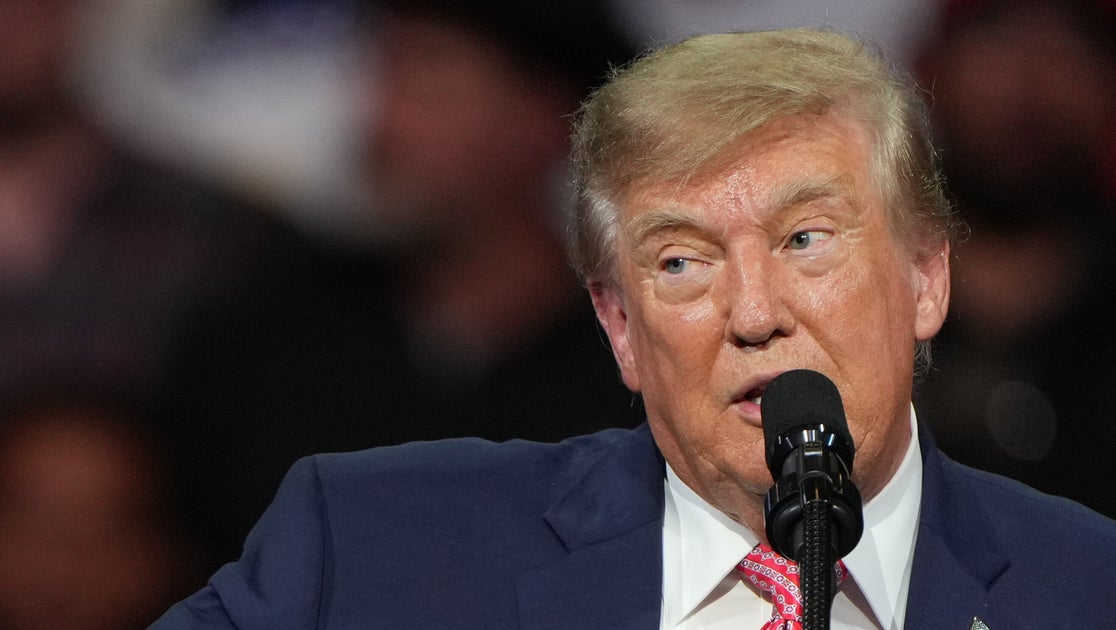
Trump Backs Marshall in Kansas Senate Race Tightened by Farm Costs
President Trump rallied in deep-red Kansas for GOP Sen. Roger Marshall in a competitive race, announcing an $8 billion farm fuel relief program amid high diesel prices. Democrats see an opening to end 94 years of GOP dominance in the state.

Trump Pauses Russia Sanctions Amid Ukraine Tensions and Missile Strikes
Trump waived sanctions on Russia and floated trilateral talks with Putin and Xi as part of ending the Ukraine war, while tensions rose with Zelenskyy over Starlink and arms. Bipartisan senators engaged Zelenskyy amid the shifts.
The Compass
You just read five takes on one story.
What's your take? Find your political shape in a few minutes.
Take the test