
Trump Reviews Iran's 14-Point Peace Offer as War Hits Day 65

Cover image from theblaze.com, which was analyzed for this article
President Trump is reviewing Iran's 14-point proposal to end the war, including lifting the US naval blockade and reopening the Strait of Hormuz, but doubts it is sufficient as Tehran has not 'paid a big enough price.' The costly and unpopular conflict enters its 65th day, with massive job losses in Iran from 'Operation Economic Fury' and civilian fears across the Middle East. Senate Republicans have blocked war powers resolutions multiple times.
PoliticalOS
Sunday, May 3, 2026 — Politics
The single most important reality is that diplomacy has not yet overcome the core impasse: Iran's insistence on sanctions relief, nuclear rights, and an end to the U.S. blockade versus the administration's demand that Tehran verifiably abandon weapons-grade enrichment and 'pay' for decades of regional behavior. With oil prices elevated, civilian infrastructure damaged across multiple countries, and fragile ceasefires already cracking in Lebanon, the coming review will test whether economic pain and political risk can force compromise before active combat resumes. Readers should track verifiable actions around the strait and nuclear sites rather than competing rhetoric.
What outlets missed
Most coverage omitted the multiple times Senate Republicans blocked war powers resolutions, a key detail on domestic checks that limits Trump's flexibility. Reports also underplayed the scale of Iranian job losses specifically tied to 'Operation Economic Fury,' an economic warfare campaign that has compounded civilian hardship beyond general sanctions. Pre-ceasefire Iranian enrichment levels approaching weapons-grade and proxy attacks via Hezbollah and Houthis in late 2025 were rarely placed in full sequence, leaving the February 28 strikes without documented context from IAEA reports. Reciprocal casualty figures, including dozens killed by Iranian missiles in Gulf states and Israel, received only token mention in outlets focused on one side's suffering. Finally, technical details on Iranian sea mines still obstructing the Strait of Hormuz were mentioned sporadically but never tied to the feasibility of any 'new mechanism' in the 14-point plan.
Trump Regretted Iran War From the Start but Felt Powerless to Stop It as Civilian Deaths Mount
President Donald Trump knew from the outset that launching a war against Iran would destroy his presidency yet felt he had no choice but to proceed, according to his former ally Tucker Carlson, as a fragile ceasefire enters its second month amid a new Iranian peace proposal and growing evidence of the conflict's devastating human and economic toll.
In a wide-ranging interview with The New York Times published Saturday, Carlson described multiple private conversations in which Trump acknowledged the war's potential consequences, including its likely political fallout. "He knew that the potential consequences were profoundly bad; the end of his presidency to start, which I think has proven to be," Carlson said. The former Fox News host, who has publicly broken with Trump over the decision, characterized the president as "more a hostage than a sovereign decision maker," suggesting heavy influence from the Israeli government under Prime Minister Benjamin Netanyahu. Trump, Carlson recalled, repeatedly insisted "everything's gonna be okay" despite his misgivings.
Those misgivings appear to have been well-founded. The conflict, which began with a surprise U.S.-Israeli aerial assault on February 28, has dragged the United States into its most significant Middle East military engagement in years. Trump now faces record-low approval ratings as the war's unpopularity grows at home. A ceasefire brokered by Pakistan took effect on April 8, but it has failed to produce a lasting peace. On day 65 of the conflict, Iran submitted a 14-point proposal to the United States through Pakistani mediators, calling for guarantees of non-aggression, the withdrawal of U.S. forces from the region, lifting of a naval blockade, release of frozen assets, sanctions relief, and an end to hostilities "on all fronts," including Lebanon.
Trump responded Saturday by saying he is reviewing the document but cast doubt on any deal, telling reporters that Iran "has not yet paid a big enough price" for its past actions. He has repeatedly described Tehran's nuclear program as a "red line" and has not ruled out renewed strikes. "If they misbehave, if they do something bad, there is a possibility it could happen," he said. Israeli officials, meanwhile, have signaled preparations for possible additional U.S. action, with one senior officer telling reporters that any agreement failing to end Iran's uranium enrichment and surrender its stockpiles of highly enriched uranium would be unacceptable.
The human cost of the war has been staggering, particularly for Iranian civilians who had no say in the decisions made in Washington and Tel Aviv. Interviews with survivors conducted by Reason magazine and Drop Site News paint a harrowing picture of life under bombardment. In the coastal towns of Minab and Lamerd, U.S.-Israeli missiles struck an elementary school and a high school gymnasium during a volleyball practice. Mir Dehdasht rushed to the scene after the gym attack only to find injured girls bleeding on the ground, some unconscious, others screaming. His own daughter, Robab, was among the dead.
Amena in Iran awoke to air raid sirens. Hossein in Isfahan heard fighter jets destroy a local radio station. Jad learned of the strikes on the news just hours before bombs fell on his neighborhood. Across the region, the soundtrack of daily life became sirens and explosions. Electricity failed. Movement outside became dangerous. Death arrived without warning. The Islamic Revolutionary Guard Corps remains on standby, warning that a return to full-scale fighting is likely if diplomacy collapses.
Economically, the war has strained Iran to the breaking point. Prices have surged and jobs have vanished as the country copes with a U.S. naval blockade of its ports even after the nominal ceasefire. Iran's effective blockade of the Strait of Hormuz, through which a fifth of global oil and gas passes, sent shockwaves through the world economy before the truce. Continued naval clashes, including ship seizures and intercepts, show that the war has not truly ended at sea.
Iran's latest proposal seeks to postpone nuclear negotiations to a later date, a position Trump has rejected. Tehran wants all issues resolved within 30 days and a permanent end to the conflict rather than a temporary truce. Pakistani mediation efforts in Islamabad have so far failed, with each side setting preconditions the other refuses to meet.
Carlson's account adds a remarkable layer to an already chaotic chapter in American foreign policy. A president who campaigned on avoiding endless wars in the Middle East found himself, by his own former confidant's description, unable to resist pressure to start one. The result has been a conflict that has killed civilians, destabilized global energy markets, and left Trump politically weakened exactly as he reportedly feared.
Whether the 14-point plan can bridge the gap remains uncertain. Trump continues to demand that Iran make further concessions while Israel pushes for total capitulation on the nuclear issue. For ordinary Iranians living with the trauma of bombed schools and sleepless nights, the abstract arguments in Washington and Tel Aviv feel painfully distant from the concrete reality of lost children and ruined lives. As diplomats exchange proposals and threats, the question lingers whether anyone in power truly grasps the price already paid by those who had nothing to do with starting this war.
You just read Progressive's take. Want to read what actually happened?
More in Politics

Trump Defends Ramaswamy Ad Using Estranged Mother in Ohio Race
President Trump defended a GOP nominee's ad featuring a Democratic opponent's estranged mother, calling it powerful, while drawing criticism from some Republicans including Ohio Gov. Mike DeWine. The ad has sparked internal GOP tensions ahead of midterms.
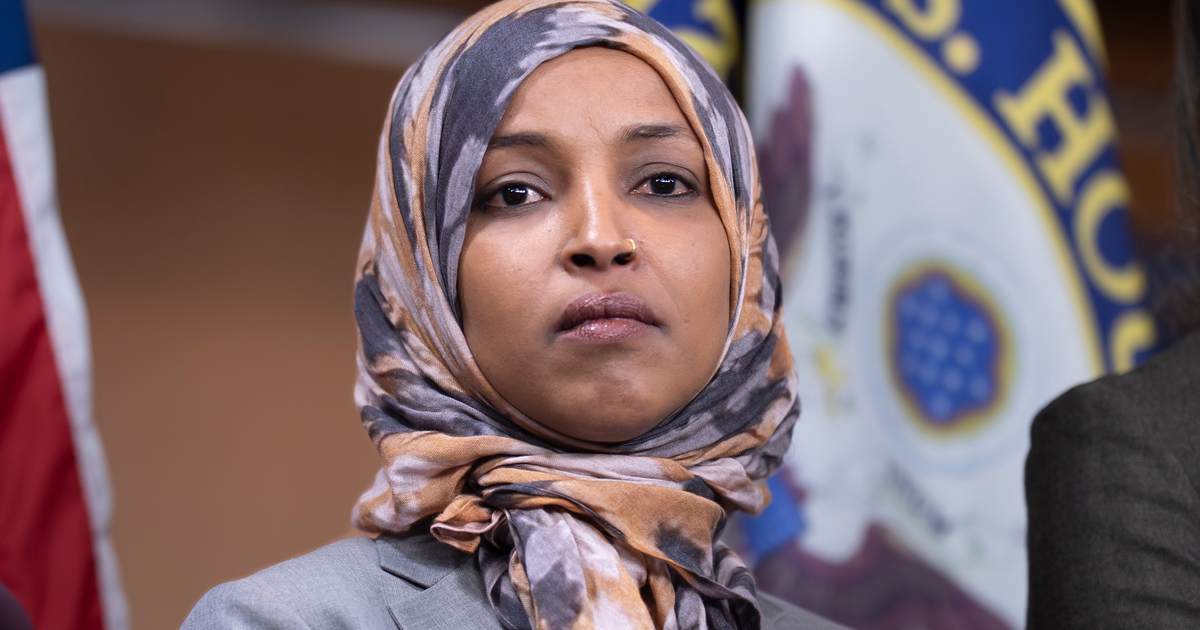
Federal Raid Targets Omar Amid Unresolved Name and Marriage Allegations
Agents searched Rep. Ilhan Omar's DC residence over immigration fraud allegations; she called it bizarre. Reports and commentary questioned her birth name and past marriage details.

Supreme Court Upholds New Hampshire Student ID Voting Ban
The Supreme Court upheld New Hampshire's ban on student IDs as valid voter identification just before midterms, affecting a tight Senate race.
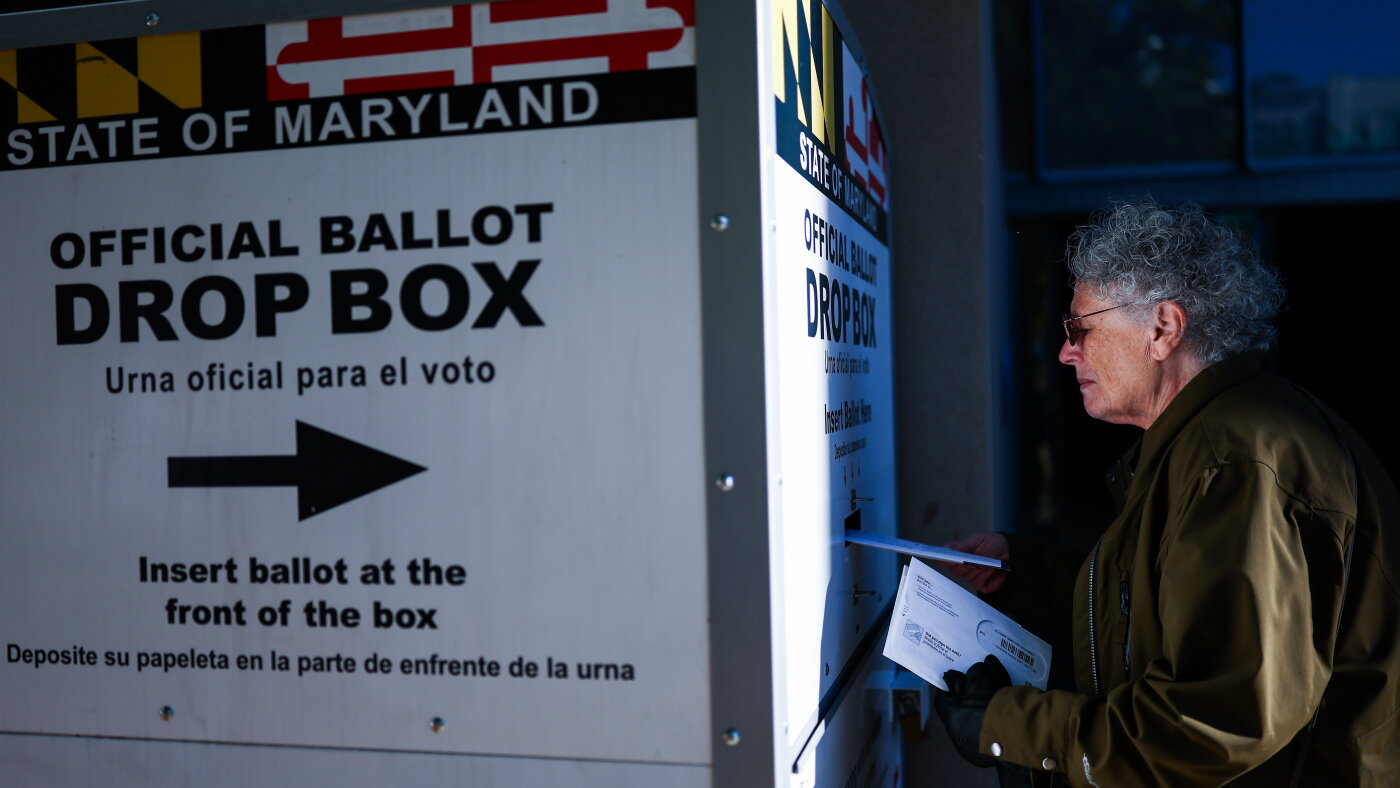
Early Voting Hits 21 Million as Most Trust Midterm Accuracy
Millions have already voted early as parties make final appeals amid $1.4 billion in ad spending; polls show confidence in election accuracy.
The Compass
You just read five takes on one story.
What's your take? Find your political shape in a few minutes.
Take the test