
Trump Delays Iran Strikes After Gulf Allies Urge Talks

Cover image from aljazeera.com, which was analyzed for this article
Trump delayed planned military action against Iran citing progress in negotiations and appeals from regional leaders. Iran maintains it will not surrender amid ongoing ceasefire talks.
PoliticalOS
Tuesday, May 19, 2026 — Politics
Trump’s postponement reflects pressure from Gulf allies seeking to avoid escalation while core disagreements over Iran’s nuclear program remain unresolved. The outcome hinges on whether the latest Iranian proposal can bridge those gaps before military options are reconsidered.
What outlets missed
Most coverage omitted recent IAEA assessments of Iranian nuclear activities and the specific sequence of Iranian attacks on shipping and U.S. assets that preceded the latest U.S. threats. Details on Iranian support for proxy operations against American and Israeli targets also received little attention. The precise content of the 14-point proposal submitted through Pakistan could not be independently verified by multiple outlets.
Trump Delays Military Strike on Iran as Gulf Allies Push for Talks
President Donald Trump announced Monday that he had postponed a planned U.S. military strike on Iran after receiving requests from leaders in Qatar, Saudi Arabia, and the United Arab Emirates. The decision came amid claims that fresh negotiations could produce an agreement to ease tensions that have included recent exchanges of fire in the Strait of Hormuz.
Trump stated on social media that serious discussions were underway and a deal might be reached. He added that American forces remain prepared for a large-scale operation if acceptable terms are not met quickly. This marks at least the second time in recent weeks that Trump has issued strong warnings against Iran followed by a pause in planned action.
Iranian officials presented a revised proposal through Pakistani intermediaries. The document reportedly seeks relief from U.S. sanctions while preserving Tehran’s influence over the Strait of Hormuz and limiting Israeli operations in Lebanon. American positions continue to emphasize restrictions on Iran’s nuclear activities, including demands for the transfer of enriched uranium stockpiles. Iranian President Masoud Pezeshkian insisted that any talks would not involve surrender and would protect what he described as national rights.
The pattern of threats followed by delays has become familiar. Trump has repeatedly expressed frustration that Iranian leaders view his warnings as bluffs, even as U.S. strikes have targeted Iranian military sites after attacks on American vessels. Iranian forces have responded by tightening oversight of shipping lanes and striking groups near the Iraqi border that Tehran links to U.S. and Israeli interests.
Gulf states appear motivated by concerns over supply disruptions and regional escalation. Their intervention aligns with longstanding preferences for negotiated outcomes that avoid direct confrontation. Historical evidence shows that authoritarian regimes facing economic pressure often use talks to buy time rather than alter core behavior. Iran’s control of the Strait remains a leverage point that affects global energy markets, and past agreements have not eliminated its nuclear ambitions.
Israeli operations in Lebanon continue despite earlier ceasefire efforts, contributing to rising casualties. Iranian support for proxy forces there adds another layer to the conflict. The combination of nuclear development, maritime threats, and regional militias creates incentives for Tehran to test Western resolve through incremental advances.
Trump’s approach mixes public pressure with openness to deals that could avert broader fighting. Whether renewed discussions produce lasting limits on Iranian capabilities or simply repeat cycles of concession and rearmament will depend on enforcement mechanisms that have proven difficult to sustain in prior rounds.
You just read Conservative's take. Want to read what actually happened?
More in Politics
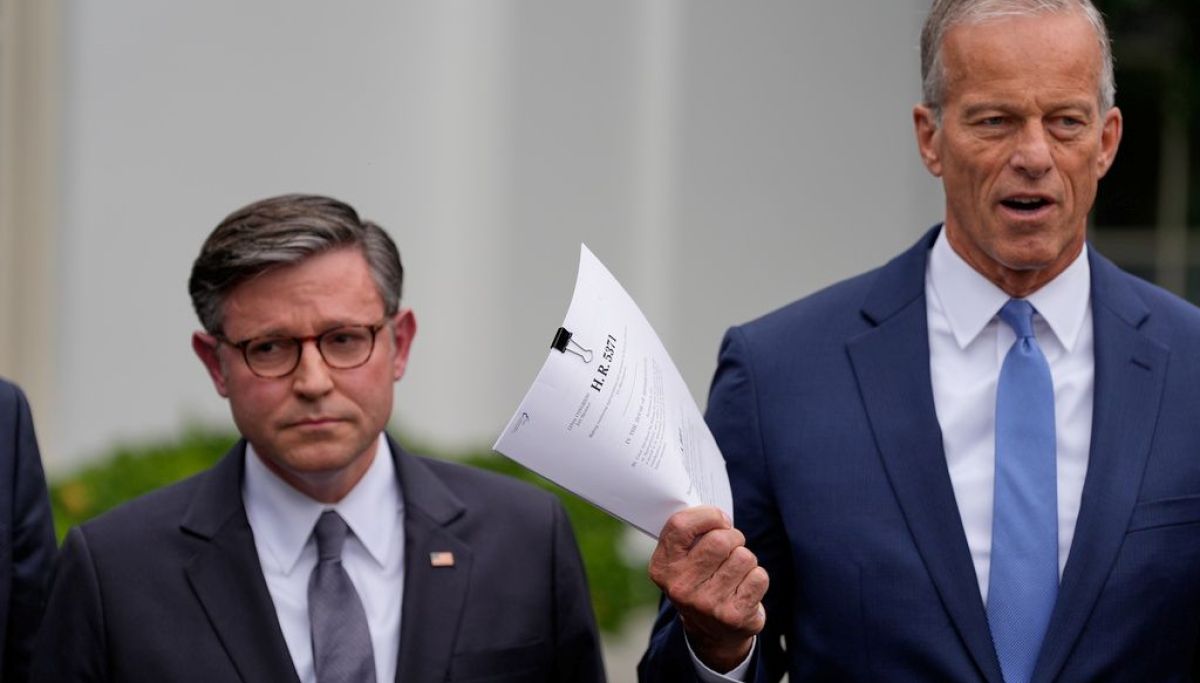
Trump at 32% Approval as Gas Prices Test GOP Midterm Hopes
NYT/Siena polling showed Trump's approval at historic lows around 32 percent with Democrats leading by double digits in key districts. Early voting has surged in battleground states.

Record Early Voting Hits Battlegrounds, Shifting Partisan Shares
AP analysis found hundreds of thousands more early ballots than in 2022 in states including Texas, Ohio, Kansas, Maine, and North Carolina, shifting partisan dynamics.
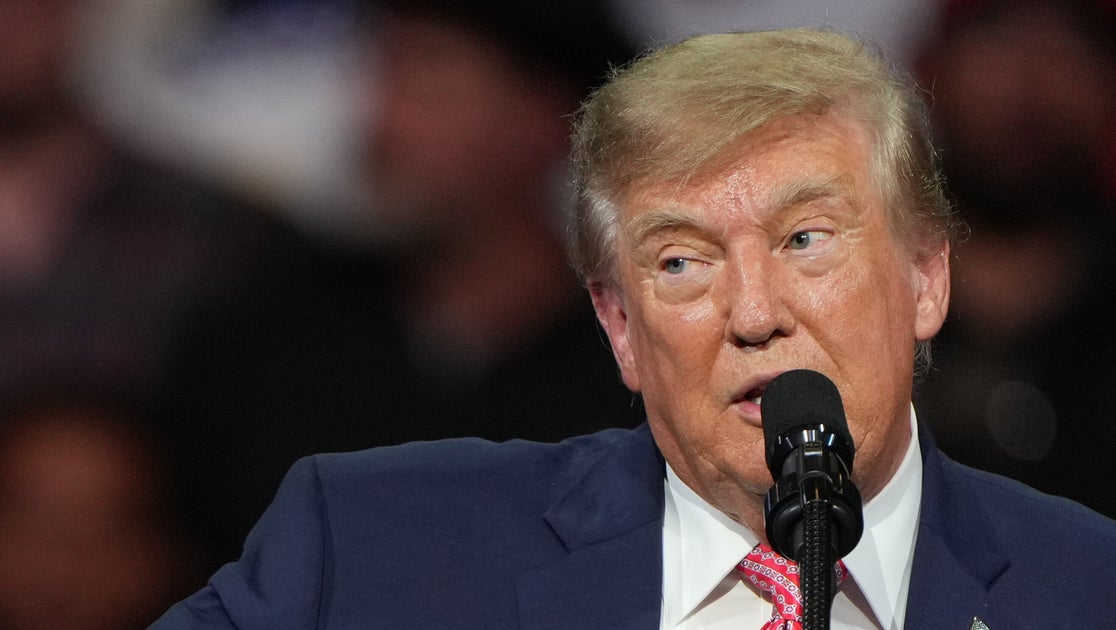
Trump Backs Marshall in Kansas Senate Race Tightened by Farm Costs
President Trump rallied in deep-red Kansas for GOP Sen. Roger Marshall in a competitive race, announcing an $8 billion farm fuel relief program amid high diesel prices. Democrats see an opening to end 94 years of GOP dominance in the state.

Trump Pauses Russia Sanctions Amid Ukraine Tensions and Missile Strikes
Trump waived sanctions on Russia and floated trilateral talks with Putin and Xi as part of ending the Ukraine war, while tensions rose with Zelenskyy over Starlink and arms. Bipartisan senators engaged Zelenskyy amid the shifts.
The Compass
You just read five takes on one story.
What's your take? Find your political shape in a few minutes.
Take the test