
Trump Claims Iran Talks Underway, Tehran Denies Direct Contact
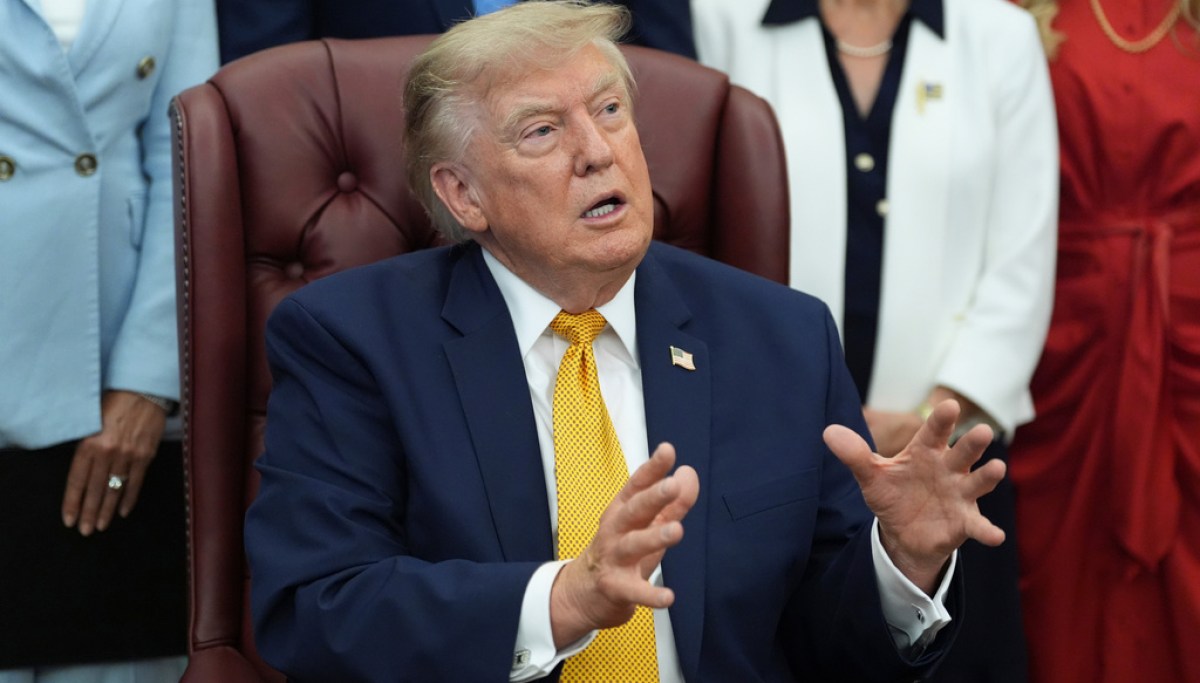
Cover image from washingtonexaminer.com, which was analyzed for this article
President Trump calls ongoing talks with Iran a 'last chance' before potential military action, while expressing optimism about reopening the Strait of Hormuz amid reports of near-deals involving service fees.
PoliticalOS
Tuesday, August 4, 2026 — Politics
The core unresolved issue remains whether direct U.S.-Iran negotiations exist or whether contacts stay confined to Oman on Hormuz routing and fees, with shipping attacks continuing and no independent confirmation resolving the conflicting accounts from both governments.
What outlets missed
Multiple outlets omitted the documented June 2026 creation of an Iran-Oman joint working group on Hormuz navigation and fees, which provides concrete basis for Tehran's claim of bilateral talks rather than simple denial. Pre-war shipping lanes already divided the strait into a northern Iranian route and southern Omani route, a geographic fact that frames proposed changes as adjustments rather than new control regimes. Iranian strikes on vessels in the period before April deadlines, confirmed by maritime tracking and insurance data, preceded U.S. Hormuz warnings but received little coverage. Oil price movements showed Brent closing down 3.79 percent on August 4 in some records, contradicting reports of a 2.7 percent rise tied directly to diplomacy.
Oil markets face renewed volatility as President Trump states that negotiations with Iran over reopening the Strait of Hormuz are active and represent a final opportunity to avoid further strikes. Trump told reporters on August 4 that talks requested by Iran are occurring immediately, with an initial phase focused on full strait access by the next day and a later phase addressing Iran's nuclear program. He accused Iranian leaders of duplicity on Truth Social for requesting meetings while publicly denying them and insisting they deal only with Oman.
Iran's Foreign Ministry spokesperson Esmail Baghaei stated there are no direct negotiations with the United States and that contacts remain limited to Oman on a temporary safe route through the strait. Iranian officials described any arrangement as lasting one to three months under Iranian dominance and rejected a return to pre-war conditions without state control. A New York Times report cited Iranian and U.S. officials indicating ships entering via the Gulf of Oman would use an Iranian coastal channel while exiting vessels would use an Omani route, with both nations potentially collecting service fees.
U.S. Central Command reported redirecting 44 commercial vessels, disabling two, and boarding two as part of the Hormuz blockade. A cargo ship reported being struck by an unknown projectile off Oman's coast on August 3, according to the UK Maritime Trade Operations center, forcing crew abandonment and leaving one seafarer missing per maritime sources. Brent crude rose 2.7 percent on August 4 amid the uncertainty.
Qatari officials confirmed mediation efforts involving Pakistan and Oman to exchange drafts, though no matching public statement from Qatari spokespeople appears in other contemporaneous records. Iran established a joint working group with Oman in June to address navigation and fees. Trump previously postponed multiple strike deadlines in March, April, May, June, and July after citing progress, with the current conflict now in its 23rd week.
More in Politics

Federal Agents Search Omar Home in Ongoing Immigration Probe
Homeland Security agents searched the Minnesota Democrat's DC residence in a criminal probe, prompting accusations of political intimidation from Omar and Democratic leaders. Coverage spans left-leaning outlets like NPR, BBC, and The Guardian alongside right-leaning criticism from The Federalist and Daily Wire.

Trump Diesel Import Plan Draws Pushback Over Russia Ties
The weekend agreement drew bipartisan congressional pushback and criticism from Ukraine's Zelenskyy, with analysts downplaying US fuel price impacts. Right-leaning outlets like National Review, Dispatch, and Washington Examiner questioned its legality and effectiveness.

Independents Test Voter Appetite for Middle Ground in 2026 Midterms
Nearly 200 independents are running in competitive races as voters weigh ballot measures on housing costs in states like Massachusetts. Left-leaning coverage from NYT, NPR, and Guardian highlights turnout and key races while right outlets focus on GOP strategy.

Trump Rallies in Alaska, Ohio to Bolster GOP Senate Candidates
The president rallied in Wasilla for Sen. Dan Sullivan and faced empty seats at an Ohio event amid midterm concerns. Outlets across the spectrum covered the trips as signals of GOP vulnerability weeks before Election Day.
The Compass
You just read five takes on one story.
What's your take? Find your political shape in a few minutes.
Take the test