
Trump Warns Iran to 'Get Smart' as Hormuz Stalemate Drives Gas to $4.20
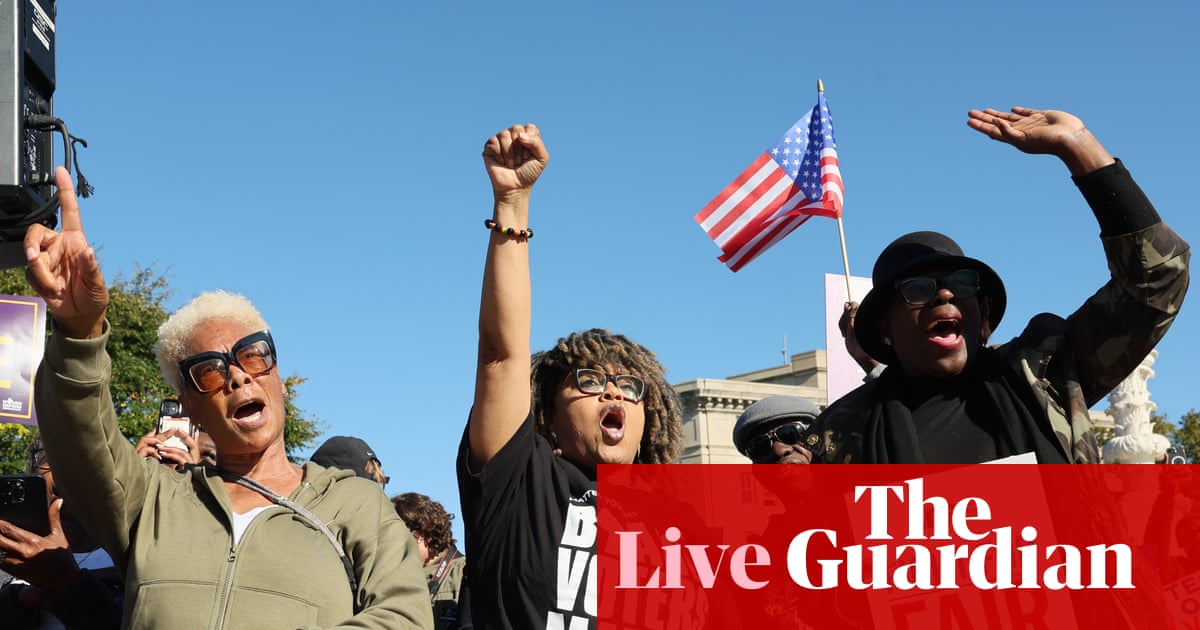
Cover image from theguardian.com, which was analyzed for this article
President Trump posted violent AI images and warned Iran to 'get smart' on a nonnuclear deal as ceasefire holds but talks stall, with new proposal discussed. He huddled with oil execs amid economic disruptions and US sanctions on shadow banking. Global diplomats urge de-escalation while oil markets react to Hormuz tensions.
PoliticalOS
Wednesday, April 29, 2026 — Politics
The single most important reality is that a 61-day-old conflict with no resolution in sight is already raising U.S. gasoline prices above $4.20 a gallon and threatening broader economic damage while nuclear issues remain unresolved. Trump's combination of public threats, an armed AI image, and private meetings with oil executives projects confidence that sustained pressure will deliver a favorable deal, yet Iran's proposal to reopen the strait first and defer enrichment reveals a fundamental impasse. Readers should recognize that both sides have escalated, costs are mounting on all fronts, and the coming weeks of congressional scrutiny and market reaction will determine whether this stalemate ends in diplomacy or wider disruption.
What outlets missed
Most outlets underplayed the mutual escalation timeline: U.S.-Israeli strikes began February 28, Iran's immediate retaliation included missile attacks on Gulf bases and the initial Hormuz closure, and the U.S. naval restrictions on Iranian ports followed on April 13. Few noted the Pakistani-mediated proposal that would reopen the strait in phases while postponing nuclear talks, or the specific maritime incidents including Iran's attacks on three ships and seizures of two. Coverage also largely omitted global diplomatic efforts beyond vague "urging de-escalation," such as specific calls from European and Asian capitals warning that prolonged blockade risks recession and wider instability. The $1 billion-plus U.S. operational costs and potential War Powers Resolution implications after 60 days received scant attention outside partisan commentary.
Trump's Iran War Backfires as Gas Prices Crush American Families
President Donald Trump is projecting strength on social media with images of himself wielding rifles and warnings that Iran had better "get smart soon," but the two-month-old conflict has produced a far different reality for millions of American drivers filling up their tanks. As the Strait of Hormuz remains effectively closed, sending global oil prices to multiyear highs, the average price of gasoline hit $4.18 per gallon this week, the highest level since 2022. That number tells the real story of this war: working families squeezed at the pump while Washington insiders huddle with oil executives and debate how to spin the stalemate.
Trump convened an emergency meeting Tuesday at the White House with energy industry leaders, including Chevron CEO Mike Wirth. White House officials described it as routine consultation on markets and domestic production. In truth, the session reflects growing alarm over an "unprecedented" supply shock that has no easy fix. The de facto blockade of the Strait of Hormuz, which normally carries about one-quarter of the world's seaborne oil, has driven crude prices toward $115 a barrel. Trump's administration has waived the Jones Act to allow more flexible shipping, but those measures amount to tinkering while the fundamental problem worsens.
The president took to Truth Social early Wednesday with characteristic bravado, posting an AI-generated image of himself in sunglasses holding an assault rifle against a backdrop of explosions. "Iran can't get their act together. They don't know how to sign a nonnuclear deal. They better get smart soon!" he wrote. "No more Mr. Nice Guy!" Hours earlier he had claimed Iran informed him it was in a "state of collapse" and was desperate to reopen the strait while it sorted out its leadership. Yet Iran's recent proposals show no willingness to abandon its nuclear program first, and analysts note the Islamic Revolutionary Guard Corps appears firmly in control.
This disconnect between tough talk and tangible results grows more glaring by the day. Trump told guests at a state dinner for King Charles III that the monarch "agrees with me even more than I do" that Iran will never be allowed nuclear weapons. Buckingham Palace quickly reminded the world of Britain's longstanding policy against proliferation without endorsing Trump's approach. Meanwhile, Secretary of State Marco Rubio has insisted the nuclear issue remains central, telling Fox News that Iran's revolutionary ideology threatens the entire region.
Economist Paul Krugman has laid out perhaps the most damaging case against the current strategy. In his analysis, time is on Iran's side. The longer the strait stays blocked, the greater the risk of sustained high energy prices tipping the global economy toward recession. Higher costs for everything from gasoline to groceries erode consumer spending. Businesses face rising expenses. The very oil market disruption that some energy executives view as opportunity could eventually destroy demand if prices remain elevated long enough. Krugman argues Trump has cornered himself and will eventually need to swallow his pride to avoid worse outcomes.
Republicans on Capitol Hill are already whispering about the political consequences. Midterm elections loom, and nothing focuses voter anger quite like expensive fuel. The White House finds itself trapped between continuing the blockade to maintain pressure on Tehran and the mounting domestic pain that pressure creates. Military options presented in recent Situation Room meetings range from escalating naval presence in the strait to dialing back involvement, but no clear path to victory has emerged.
Iran's currency has plummeted to record lows against the dollar. Its economy strains under the weight of blocked exports. Yet the regime has refused to concede on its core demands, offering to reopen the strait only as part of a broader peace deal that sets aside the nuclear question. Trump officials reject that approach, insisting the original reason for conflict must be resolved.
The human cost back home is measurable in the budgets of truckers, farmers, commuters, and families already struggling with inflation. Every additional dime per gallon at the pump represents money taken from paychecks and redirected into energy company profits. While some producers benefit from higher prices in the short term, the broader American economy absorbs the punishment. Supply chains snarl. Goods cost more to transport. The Federal Reserve, meeting this week, must weigh these pressures against its inflation-fighting mandate.
Trump's latest posture suggests he believes continued pressure will eventually break Iran's will. His administration points to Iran's internal challenges and claims military objectives have been achieved. Yet the spectacle of the president sharing gun-toting memes while gasoline approaches levels not seen in years projects something other than mastery of the situation. The war that was supposed to neutralize a threat has instead handed Tehran a powerful economic weapon in the form of disrupted oil flows.
As the stalemate enters its third month, the question looms larger: how much pain are Americans expected to endure before a resolution materializes? The president insists Iran must fold. The markets, the price signs at gas stations, and the quiet anxiety in Republican political circles suggest the pressure may be traveling in both directions. Ordinary citizens did not ask for this conflict. They simply want to afford the fuel that powers their daily lives. In that fundamental disconnect lies the growing political danger for the administration.
You just read America First's take. Want to read what actually happened?
More in Politics

Trump Defends Ramaswamy Ad Using Estranged Mother in Ohio Race
President Trump defended a GOP nominee's ad featuring a Democratic opponent's estranged mother, calling it powerful, while drawing criticism from some Republicans including Ohio Gov. Mike DeWine. The ad has sparked internal GOP tensions ahead of midterms.
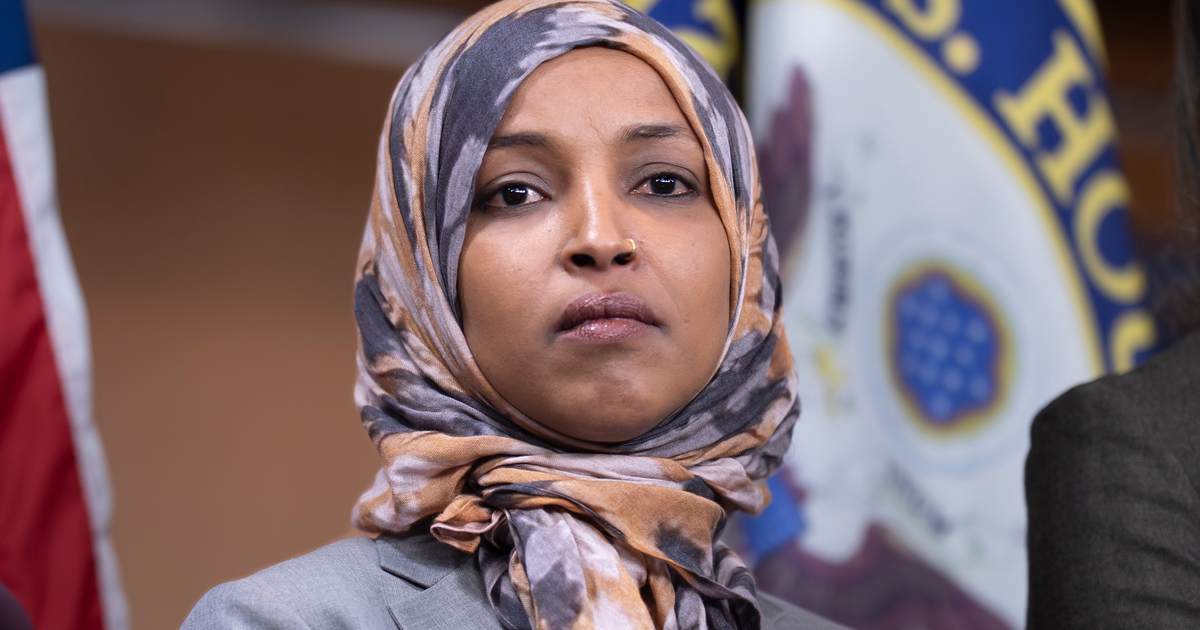
Federal Raid Targets Omar Amid Unresolved Name and Marriage Allegations
Agents searched Rep. Ilhan Omar's DC residence over immigration fraud allegations; she called it bizarre. Reports and commentary questioned her birth name and past marriage details.

Supreme Court Upholds New Hampshire Student ID Voting Ban
The Supreme Court upheld New Hampshire's ban on student IDs as valid voter identification just before midterms, affecting a tight Senate race.
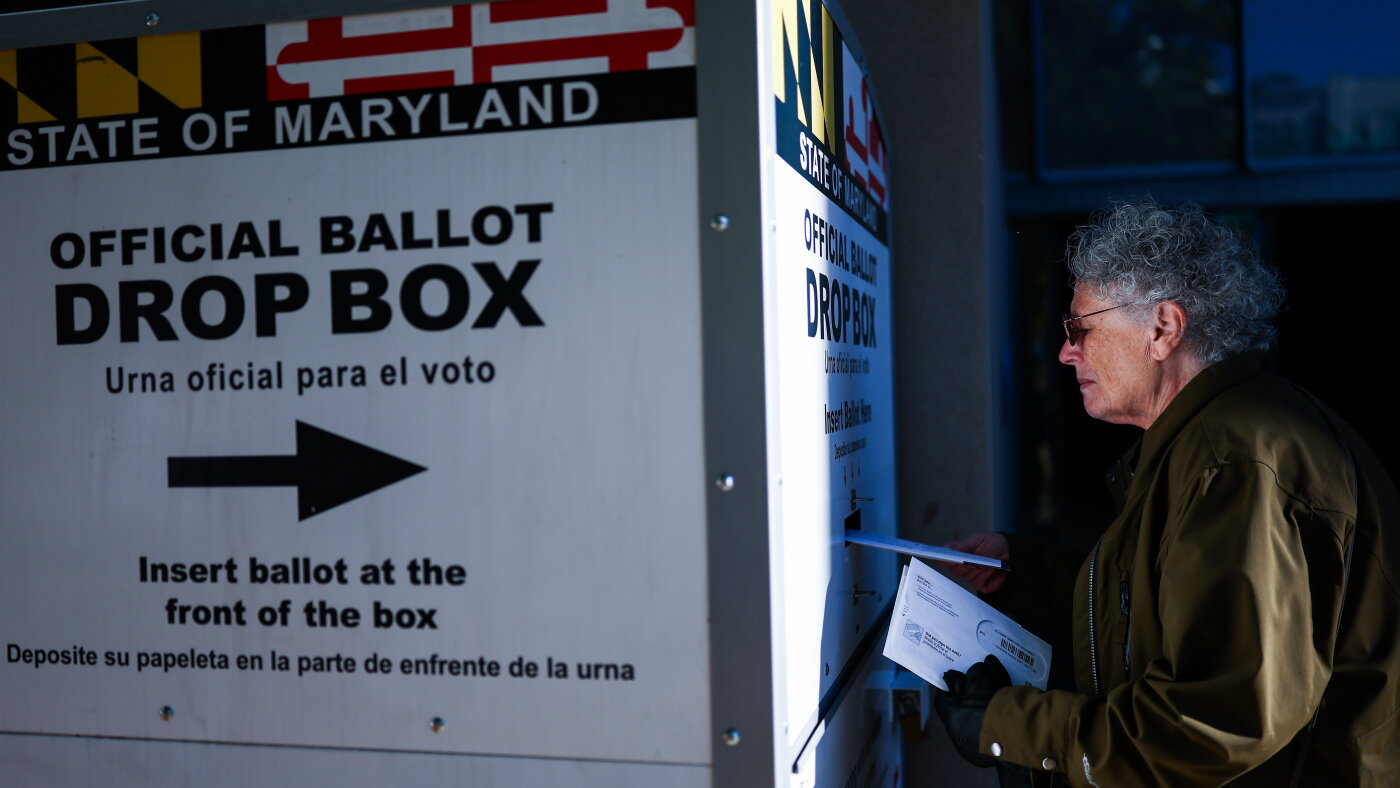
Early Voting Hits 21 Million as Most Trust Midterm Accuracy
Millions have already voted early as parties make final appeals amid $1.4 billion in ad spending; polls show confidence in election accuracy.
The Compass
You just read five takes on one story.
What's your take? Find your political shape in a few minutes.
Take the test