
Judge Reopens Trump IRS Lawsuit, Questions $1.776B Fund

Cover image from theintercept.com, which was analyzed for this article
A judge ordered the DOJ to address fraud claims in the $10 billion Trump IRS settlement case, with reports of White House officials being blindsided by the developments.
PoliticalOS
Sunday, May 31, 2026 — Politics
The core dispute centers on whether the IRS settlement improperly created a large compensation fund without congressional approval. A federal judge has required briefing on fraud claims by June 12, leaving the fund's viability unresolved amid separate litigation and congressional friction.
What outlets missed
The RedState account correctly notes the June 12 response deadline and the Virginia judge's hold but does not detail the original leak case's scope beyond Trump. No outlet provided the full text of the settlement agreement or independent verification of the $1.776 billion figure's calculation method. The role of the newly created IRS CEO position in signing the fund agreement received minimal scrutiny across coverage.
Gay Palestinian Finds Refuge in Israel Despite Family Threats and Security Scrutiny
Kareem, a 22-year-old from Ramallah in the West Bank, left his home in March 2024 after his father threatened to shoot him over rumors about his sexuality. The young man had long planned an exit from a society where such disclosures often lead to violence from relatives. A Tel Aviv court ruling earlier that year opened a path for LGBTQ Palestinians to seek asylum in Israel, reversing prior policy that had largely barred such claims.
Israel's legal system treated the application on its merits rather than dismissing it outright. Kareem entered the country believing his status would hold while officials processed the case. Supporters of the move noted that Israel maintains legal protections for gay individuals that do not exist under Palestinian Authority rule or Hamas governance in Gaza. Critics from activist circles labeled Israel's openness as an attempt to divert attention from other policies, a charge the government has rejected as selective.
The episode highlights persistent cultural patterns in Palestinian communities where family honor and religious norms drive severe responses to homosexuality. Data from human rights monitors and local reports show repeated cases of ostracism, beatings, or worse for those who do not conform. These pressures predate Israeli control of the West Bank and continue under Palestinian self-rule, pointing to internal social structures rather than external occupation as the primary driver.
Israeli authorities face simultaneous demands to vet asylum seekers from hostile territories. Security services routinely question entrants about connections to militant groups, given documented patterns of individuals crossing borders for intelligence or attack planning. Kareem's account includes claims that officials sought information during interviews, which aligns with standard procedures in a region marked by ongoing conflict and infiltration attempts. Such inquiries do not negate the asylum process but reflect the reality of governing a small state surrounded by entities that reject its existence.
Prime Minister Benjamin Netanyahu has publicly dismissed activist slogans linking gay rights causes with Gaza, arguing the pairing ignores Hamas's explicit rejection of homosexuality and its use of violence against dissenters. Court records and government statements emphasize that asylum decisions rest on individual circumstances, not collective identity campaigns. Earlier precedents had limited Palestinian claims partly to avoid creating avenues for abuse in a demographic conflict.
The case also underscores trade-offs in asylum systems. While distance from family may reduce immediate risks, prolonged bureaucratic review can expose applicants to new pressures. Israel has absorbed migrants and refugees from various backgrounds over decades, often prioritizing those who demonstrate genuine need over those advancing political narratives. Palestinian society, by contrast, has shown little institutional movement toward tolerance on these issues despite years of self-governance.
Observers focused on individual agency note that Kareem exercised a choice available because one side of the border maintains rule of law and nondiscrimination statutes that the other side has not adopted. Cultural attitudes toward personal liberty remain the decisive factor in why such flights occur, not abstract claims of exploitation.
You just read Conservative's take. Want to read what actually happened?
More in Politics
Trump at 32% Approval as Gas Prices Test GOP Midterm Hopes
NYT/Siena polling showed Trump's approval at historic lows around 32 percent with Democrats leading by double digits in key districts. Early voting has surged in battleground states.

Record Early Voting Hits Battlegrounds, Shifting Partisan Shares
AP analysis found hundreds of thousands more early ballots than in 2022 in states including Texas, Ohio, Kansas, Maine, and North Carolina, shifting partisan dynamics.
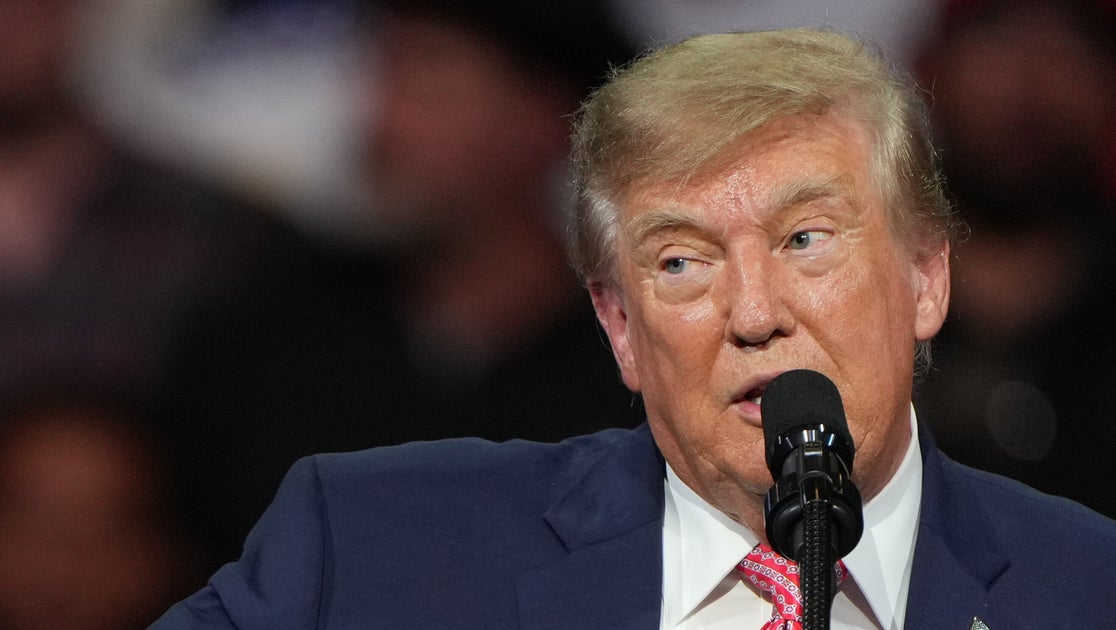
Trump Backs Marshall in Kansas Senate Race Tightened by Farm Costs
President Trump rallied in deep-red Kansas for GOP Sen. Roger Marshall in a competitive race, announcing an $8 billion farm fuel relief program amid high diesel prices. Democrats see an opening to end 94 years of GOP dominance in the state.

Trump Pauses Russia Sanctions Amid Ukraine Tensions and Missile Strikes
Trump waived sanctions on Russia and floated trilateral talks with Putin and Xi as part of ending the Ukraine war, while tensions rose with Zelenskyy over Starlink and arms. Bipartisan senators engaged Zelenskyy amid the shifts.
The Compass
You just read five takes on one story.
What's your take? Find your political shape in a few minutes.
Take the test