
Judge Reopens Trump IRS Lawsuit, Questions $1.776B Fund

Cover image from theintercept.com, which was analyzed for this article
A judge ordered the DOJ to address fraud claims in the $10 billion Trump IRS settlement case, with reports of White House officials being blindsided by the developments.
PoliticalOS
Sunday, May 31, 2026 — Politics
The core dispute centers on whether the IRS settlement improperly created a large compensation fund without congressional approval. A federal judge has required briefing on fraud claims by June 12, leaving the fund's viability unresolved amid separate litigation and congressional friction.
What outlets missed
The RedState account correctly notes the June 12 response deadline and the Virginia judge's hold but does not detail the original leak case's scope beyond Trump. No outlet provided the full text of the settlement agreement or independent verification of the $1.776 billion figure's calculation method. The role of the newly created IRS CEO position in signing the fund agreement received minimal scrutiny across coverage.
Israel Uses LGBTQ Asylum Claims to Recruit Palestinian Spies
A young Palestinian man who crossed into Israel seeking protection from family threats over his sexuality instead found himself targeted by intelligence officers looking to turn him into an informant. Kareem, whose real name is withheld for safety, fled Ramallah in April 2024 after his father threatened to shoot him over rumors about his orientation. He arrived in Israel shortly after a Tel Aviv court opened the door for LGBTQ Palestinians to apply for asylum, a shift from prior policy that had largely barred such claims.
Kareem believed the move would bring security. Israeli officials have long promoted the country as a refuge for gay people in the region, contrasting it with conditions in Palestinian areas. Yet court records and interviews show that security services pressed him for information on his former community rather than simply processing his case. Requests for details on local figures and movements came during asylum interviews, according to accounts from his legal team.
The episode fits a pattern where security priorities override stated humanitarian goals. Israel maintains control over the West Bank, a situation now spanning decades, and uses entry permits and residency reviews as leverage. Applicants like Kareem must navigate repeated questioning that blurs the line between protection and recruitment. Those who resist risk delays or denial, leaving them exposed.
Critics have labeled this approach pinkwashing, the deployment of gay rights imagery to soften views of occupation policies. Israeli leaders, including Prime Minister Netanyahu, have leaned on the theme in speeches abroad, dismissing critics as inconsistent for supporting Palestinian causes. The underlying mechanics of asylum processing, however, reveal a different reality for individuals caught in the system.
Kareem's experience also highlights risks that extend beyond family rejection. Distance from home does not shield applicants from Israeli authorities who view every Palestinian arrival through a security lens. Legal advocates note that intelligence overtures often occur early, before any formal status is granted, creating pressure to cooperate in exchange for continued presence.
Similar cases have surfaced in recent years, though details remain scarce due to confidentiality rules. The court's 2024 ruling expanded eligibility, yet the practical outcome appears to channel more potential sources toward state agencies rather than simply expanding safe harbor. For those weighing the journey, the choice involves trading one set of dangers for another managed by the very government controlling the borders.
Supporters of the policy argue that basic security checks are necessary given regional threats. The record shows, though, that these checks frequently extend into active efforts to extract ongoing information. Asylum seekers report being asked about relatives, neighbors, and local events under the guise of verifying their stories. Refusal can stall proceedings indefinitely.
Kareem eventually secured temporary status but continues to face scrutiny. His case illustrates how legal openings advertised as progressive can serve narrower state interests. The gap between public messaging on inclusion and the day-to-day handling of applicants remains wide, with intelligence needs taking precedence over straightforward protection.
You just read America First's take. Want to read what actually happened?
More in Politics
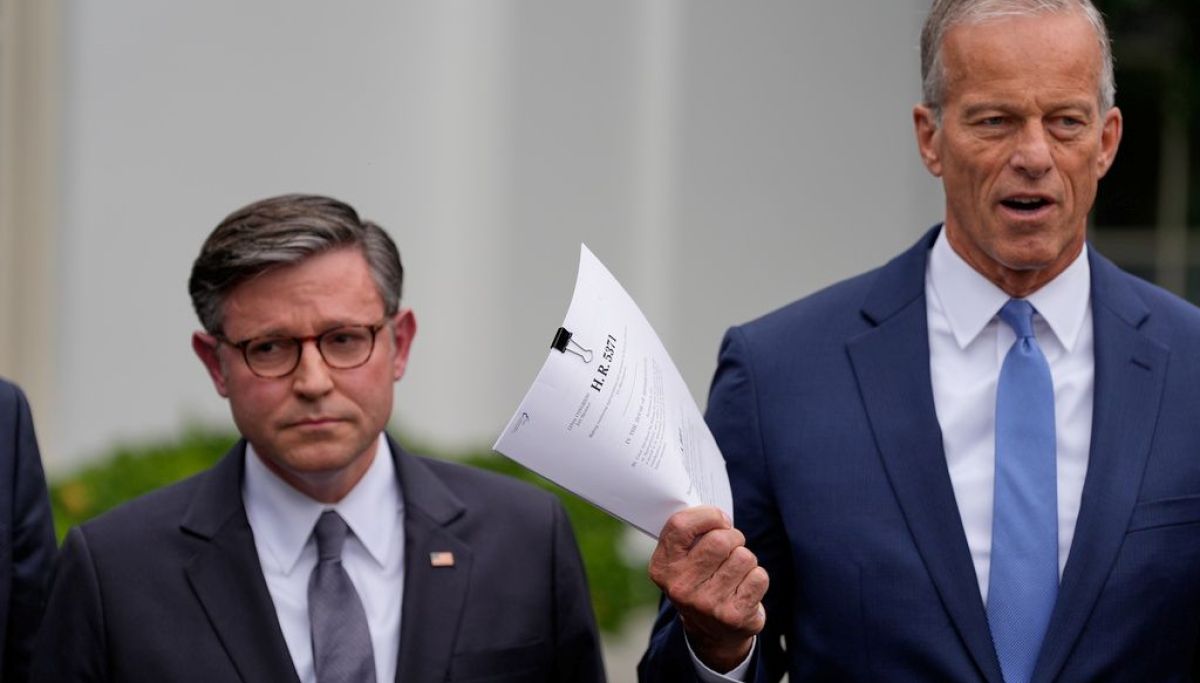
Trump at 32% Approval as Gas Prices Test GOP Midterm Hopes
NYT/Siena polling showed Trump's approval at historic lows around 32 percent with Democrats leading by double digits in key districts. Early voting has surged in battleground states.

Record Early Voting Hits Battlegrounds, Shifting Partisan Shares
AP analysis found hundreds of thousands more early ballots than in 2022 in states including Texas, Ohio, Kansas, Maine, and North Carolina, shifting partisan dynamics.
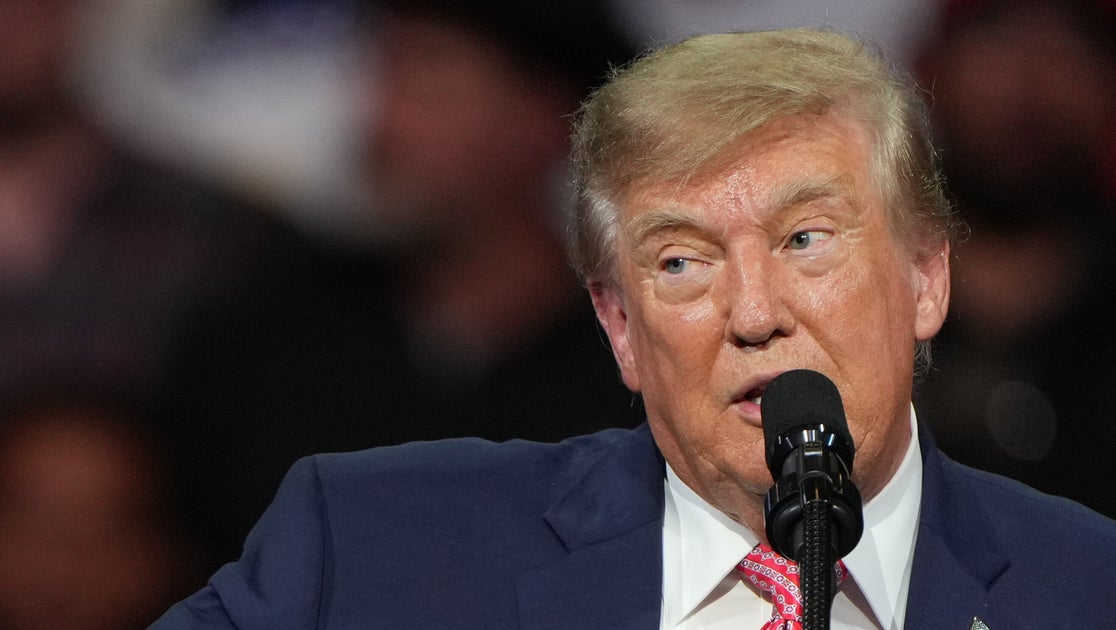
Trump Backs Marshall in Kansas Senate Race Tightened by Farm Costs
President Trump rallied in deep-red Kansas for GOP Sen. Roger Marshall in a competitive race, announcing an $8 billion farm fuel relief program amid high diesel prices. Democrats see an opening to end 94 years of GOP dominance in the state.

Trump Pauses Russia Sanctions Amid Ukraine Tensions and Missile Strikes
Trump waived sanctions on Russia and floated trilateral talks with Putin and Xi as part of ending the Ukraine war, while tensions rose with Zelenskyy over Starlink and arms. Bipartisan senators engaged Zelenskyy amid the shifts.
The Compass
You just read five takes on one story.
What's your take? Find your political shape in a few minutes.
Take the test