
Judge Reopens Trump IRS Lawsuit, Questions $1.776B Fund

Cover image from theintercept.com, which was analyzed for this article
A judge ordered the DOJ to address fraud claims in the $10 billion Trump IRS settlement case, with reports of White House officials being blindsided by the developments.
PoliticalOS
Sunday, May 31, 2026 — Politics
The core dispute centers on whether the IRS settlement improperly created a large compensation fund without congressional approval. A federal judge has required briefing on fraud claims by June 12, leaving the fund's viability unresolved amid separate litigation and congressional friction.
What outlets missed
The RedState account correctly notes the June 12 response deadline and the Virginia judge's hold but does not detail the original leak case's scope beyond Trump. No outlet provided the full text of the settlement agreement or independent verification of the $1.776 billion figure's calculation method. The role of the newly created IRS CEO position in signing the fund agreement received minimal scrutiny across coverage.
LGBTQ Palestinians Seek Asylum in Israel Under New Legal Precedent
Kareem crossed into Israel in April 2024 after a Tel Aviv court ruling opened a narrow path for LGBTQ Palestinians to apply for asylum. The 22-year-old from Ramallah had faced direct threats from his father, who pointed a gun at him after hearing rumors about his sexuality and warned he would shoot if the claims proved true. The decision by the Court for Administrative Affairs marked a shift from earlier policy that had largely barred such claims, citing security and residency issues tied to the occupied West Bank.
The ruling came as Israeli officials continued to promote the country as a regional outlier on gay rights. Prime Minister Benjamin Netanyahu referenced the point during a July 2024 address to Congress, contrasting protesters with signs reading “Gays for Gaza” against what he described as incompatible values. Government messaging has long framed Israel as a safe destination for sexual minorities from neighboring areas, a claim critics label pinkwashing because it draws attention away from settlement expansion and military operations in the West Bank and Gaza.
For applicants like Kareem, physical distance from family does not remove all risk. Once inside Israel, asylum seekers enter a bureaucratic process that requires repeated interactions with immigration and security officials. Reports indicate that some Palestinians who sought protection on sexuality grounds were later approached by intelligence officers seeking information on relatives or community contacts back in the West Bank. The practice raises questions about whether the asylum channel functions partly as an intelligence-gathering tool rather than a straightforward humanitarian route.
Legal advocates note that the March 2024 precedent remains narrow. Petitioners must still demonstrate individualized persecution rather than general social hostility, and approvals have been slow. Housing, work permits, and access to services remain limited while cases are pending, leaving applicants in a state of legal limbo that can last years. Palestinian LGBTQ organizations operating in the West Bank and East Jerusalem have documented cases where individuals who considered fleeing faced additional pressure from both family networks and Israeli authorities.
The policy tension sits inside a broader occupation that has now lasted more than 57 years. Israeli control over borders, residency, and movement means that any asylum grant for West Bank residents occurs within a system that also restricts family reunification and travel for the wider Palestinian population. Supporters of the new asylum option argue it provides a necessary escape valve for those facing credible threats. Detractors contend that the same security apparatus managing the asylum claims is also responsible for the conditions that generate many of those threats in the first place.
Kareem’s case remains unresolved in public records. He has described living in Israel with a temporary status that requires ongoing compliance with administrative demands. Whether the court’s opening will produce consistent protection or remain subject to security screening priorities will depend on how future petitions are handled and whether higher courts revisit the precedent. For now, the legal change has created a small but closely watched channel whose practical reach is still being tested.
You just read Liberal's take. Want to read what actually happened?
More in Politics

Trump Defends Ramaswamy Ad Using Estranged Mother in Ohio Race
President Trump defended a GOP nominee's ad featuring a Democratic opponent's estranged mother, calling it powerful, while drawing criticism from some Republicans including Ohio Gov. Mike DeWine. The ad has sparked internal GOP tensions ahead of midterms.
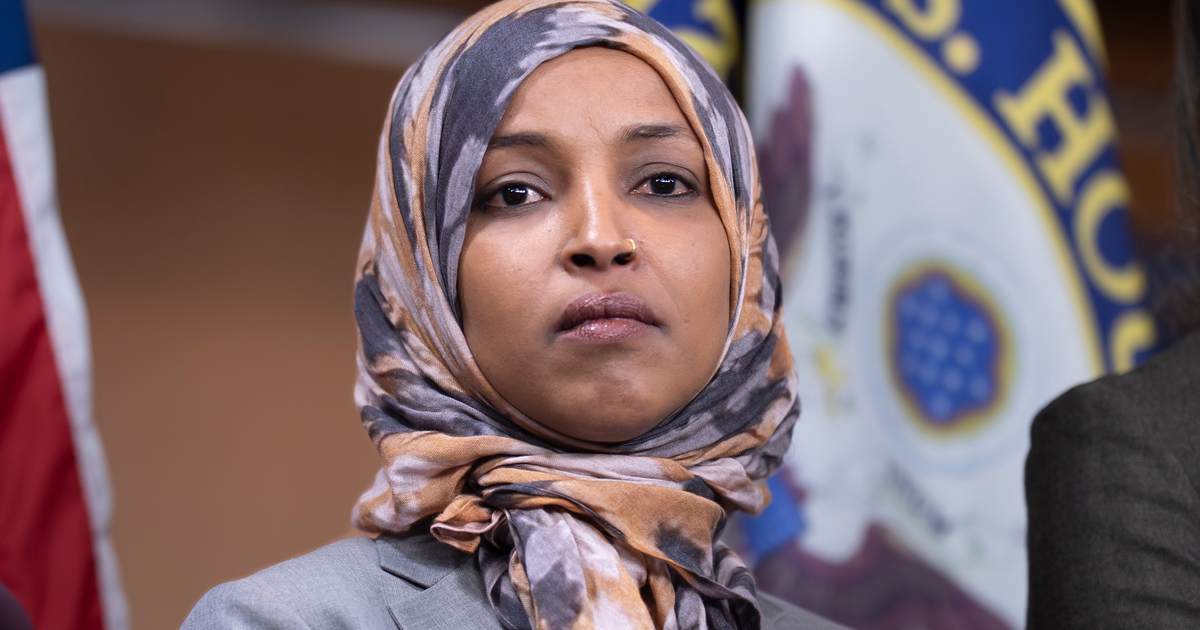
Federal Raid Targets Omar Amid Unresolved Name and Marriage Allegations
Agents searched Rep. Ilhan Omar's DC residence over immigration fraud allegations; she called it bizarre. Reports and commentary questioned her birth name and past marriage details.

Supreme Court Upholds New Hampshire Student ID Voting Ban
The Supreme Court upheld New Hampshire's ban on student IDs as valid voter identification just before midterms, affecting a tight Senate race.
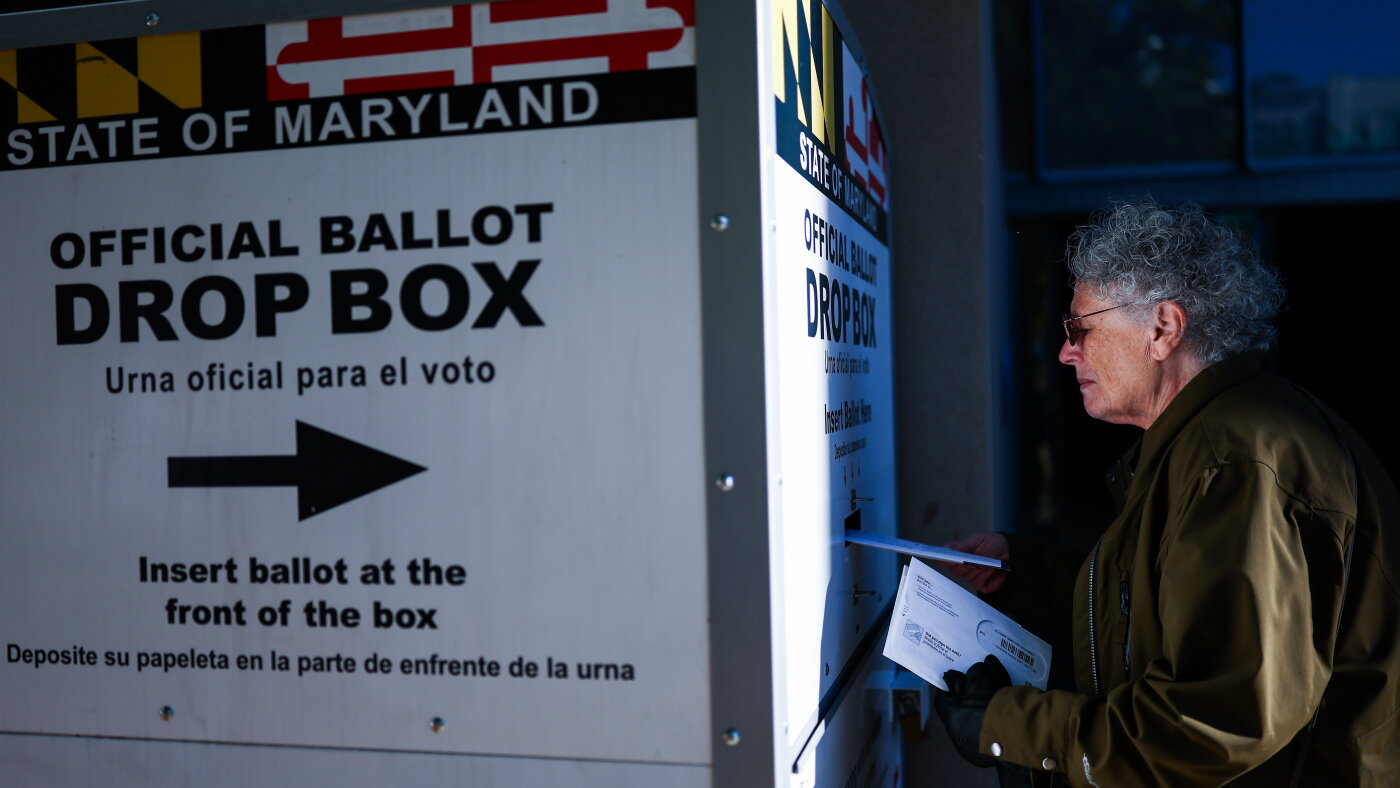
Early Voting Hits 21 Million as Most Trust Midterm Accuracy
Millions have already voted early as parties make final appeals amid $1.4 billion in ad spending; polls show confidence in election accuracy.
The Compass
You just read five takes on one story.
What's your take? Find your political shape in a few minutes.
Take the test